
Chrysler 300 5.7 Hemi Serpentine Belt Diagram
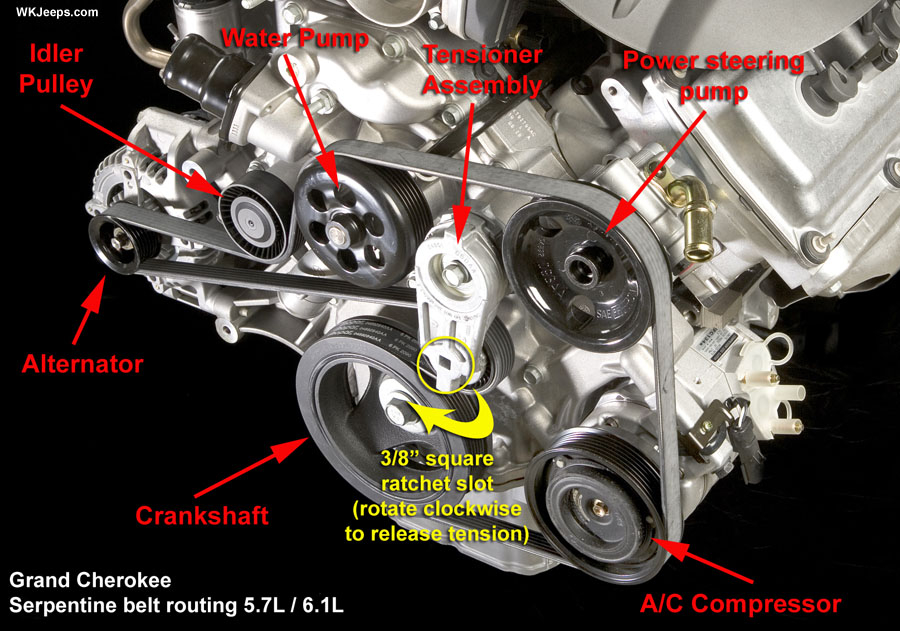
Replacing a serpentine belt on your Chrysler 300 with the 5.7L Hemi engine might seem daunting, but with the right information and a little patience, it’s a task well within reach for the experienced DIYer. This guide will walk you through understanding the serpentine belt diagram, its components, and how to use it effectively. We even have a downloadable diagram to make things easier!
Why Understand the Serpentine Belt Diagram?
The serpentine belt is a critical component of your Chrysler 300’s engine, driving several essential accessories. A clear understanding of the belt diagram is invaluable for several reasons:
- Repair and Replacement: Knowing the belt's routing is crucial for proper installation. Incorrect routing can lead to belt failure, overheating, and damage to driven components.
- Troubleshooting: The diagram helps you identify potential issues, such as misaligned pulleys or seized accessories.
- Preventative Maintenance: Familiarity with the belt and its path allows you to visually inspect for wear, cracks, or fraying, enabling proactive replacement.
- Engine Work: If you're undertaking more extensive engine work, knowing the belt routing is essential for disassembly and reassembly.
- Upgrades/Modifications: Planning to add a supercharger or other performance accessory? Understanding the belt drive system is paramount.
Key Specs and Main Parts of the 5.7L Hemi Serpentine Belt System
Before diving into the diagram, let's identify the key components:
- Serpentine Belt: A single, long belt that snakes around various pulleys, driving multiple accessories. The exact length varies depending on the model year and options (e.g., with or without rear AC).
- Crankshaft Pulley (Harmonic Balancer): Located at the bottom of the engine, this pulley is directly connected to the crankshaft and provides the rotational force for the belt.
- Alternator Pulley: Powers the electrical system, recharging the battery and providing power to the vehicle's electrical components.
- Power Steering Pump Pulley: Provides hydraulic pressure to assist with steering.
- Water Pump Pulley: Circulates coolant through the engine to prevent overheating.
- Air Conditioning Compressor Pulley: Drives the AC compressor, providing cooled air to the cabin.
- Idler Pulley(s): Smooth, bearing-mounted pulleys used to guide the belt and maintain proper tension.
- Tensioner Pulley: A spring-loaded pulley that automatically adjusts to maintain the correct belt tension. The tensioner is *crucial* for proper belt performance and longevity.
A typical 5.7L Hemi serpentine belt will be a multi-ribbed, or "poly-v" belt. The rib count and overall length are critical specifications to note when purchasing a replacement. Refer to your vehicle's owner's manual or a parts catalog to ensure you get the correct belt.
Understanding the Serpentine Belt Diagram Symbols
The serpentine belt diagram uses standard symbols to represent the various components. While variations may exist slightly depending on the source, the core symbols remain consistent:
- Solid Line: Represents the primary path of the serpentine belt. The thicker the line, the more prominent the belt section being highlighted.
- Dotted Line: Often indicates the belt path on the backside of a pulley (i.e., the smooth side of the belt contacts the pulley). This is important as different sides of the belt have different friction characteristics.
- Arrows: Indicate the direction of belt travel around each pulley. This is crucial for correct routing.
- Circular Shapes: Represent the pulleys. The diagram may label the specific pulley (e.g., ALT for Alternator, AC for Air Conditioning).
- Spring Symbol: Indicates the location of the tensioner pulley. This is typically a coiled spring symbol.
- Component Abbreviations: Each pulley will usually be labeled with an abbreviation for the component it drives (e.g., PS for Power Steering, WP for Water Pump).
Some diagrams might use color-coding to differentiate sections of the belt or highlight specific components, but this is less common in basic serpentine belt diagrams.
How the Serpentine Belt System Works
The serpentine belt system is a brilliant piece of engineering that efficiently transfers power from the engine's crankshaft to various accessories. The crankshaft pulley, driven directly by the engine, spins the serpentine belt. This belt, in turn, wraps around various accessory pulleys, causing them to rotate. The tensioner pulley maintains the correct amount of tension on the belt to prevent slippage and ensure proper operation of all driven components.
The placement and routing of the belt are crucial. The belt needs to wrap around the pulleys in a specific order to ensure proper direction of rotation and optimal contact area. If the belt isn't routed correctly, it can slip, causing the accessories to function poorly or not at all. An under-tensioned belt causes accessories to not work and the belt can potentially come off and hit other components causing more serious issues. A over-tensioned belt can also lead to issues like accelerated bearing and component wear.
Real-World Use: Basic Troubleshooting Tips
Here are a few troubleshooting scenarios where your understanding of the serpentine belt diagram comes in handy:
- Squealing Noise: A squealing noise, especially when the engine is first started or under load, often indicates a slipping belt. Check the belt tensioner. If the tensioner is weak or seized, the belt may not be making adequate contact with the pulleys. Also, inspect the belt for glazing, cracks, or wear.
- Accessory Malfunction: If your air conditioning isn't working, power steering is difficult, or the battery isn't charging, suspect a belt issue. The diagram will help you trace the belt's path and identify which accessory pulley might be affected. Check that pulley for damage.
- Belt Breakage: A broken belt is a serious issue. Inspect the pulleys for misalignment or damage that may have contributed to the failure. A pulley that does not rotate freely puts excessive load on the belt. Replacing the belt without addressing the underlying cause will likely result in another failure.
- Belt "Walking" or Misalignment: If the belt is visibly moving off the pulleys or appears to be misaligned, inspect the pulley alignment. A bent or damaged pulley can cause the belt to walk off. Also, check the tensioner pulley for proper alignment and function.
Use a belt dressing product sparingly. While they can temporarily quiet a squealing belt, they often mask underlying problems and can actually accelerate belt wear.
Safety Considerations
Working on the serpentine belt system involves several safety risks. Be aware of these hazards:
- Moving Parts: Never work on the serpentine belt system with the engine running. Even with the engine off, be cautious, as the belt can move if the vehicle is in gear and the wheels are turning.
- Hot Components: The engine and exhaust components can be extremely hot. Allow the engine to cool completely before working on the belt.
- Battery Disconnect: It's always a good practice to disconnect the negative battery terminal before working on any electrical or mechanical components.
- Tensioner Spring: The tensioner pulley is spring-loaded and can snap back forcefully. Use the correct tools to relieve the tension safely. Failure to do so can result in serious injury.
Always wear safety glasses and gloves when working on your vehicle.
The 5.7L Hemi is a powerful engine, and a healthy serpentine belt system is essential for its reliable operation. By understanding the diagram and the components involved, you can confidently troubleshoot issues, perform preventative maintenance, and even tackle belt replacement yourself.
To make this even easier, we have a detailed serpentine belt diagram specifically for the Chrysler 300 5.7L Hemi. You can download it here. This diagram will provide a clear visual representation of the belt routing, pulley locations, and other critical information. Good luck and happy wrenching!