
Cooling System Dodge Ram 1500 Radiator Diagram
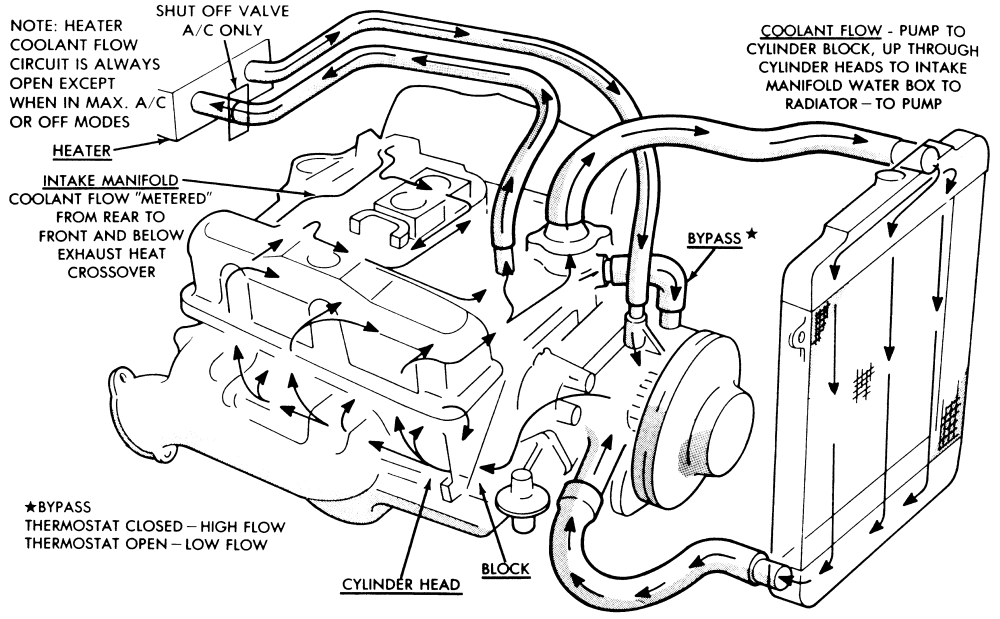
Alright, let's dive deep into the cooling system of your Dodge Ram 1500, specifically focusing on understanding the radiator diagram. This isn't just about knowing where the parts are; it’s about understanding the entire system, so you can diagnose issues, perform repairs, and even contemplate modifications with confidence. Having a solid grasp of this diagram can save you serious money on mechanic bills and empower you to tackle cooling system problems yourself.
Why This Diagram Matters
Think of the radiator diagram as a roadmap for your Ram's cooling system. It's invaluable for:
- Troubleshooting: Pinpointing the source of a leak, overheating, or other cooling-related issues becomes far easier when you can visualize the entire system layout.
- Repairs: Replacing a water pump, thermostat, or even just a hose is much smoother when you understand how the new part integrates into the existing system.
- Modifications: Considering an upgraded radiator, electric fan conversion, or other cooling enhancements? The diagram provides a crucial baseline for understanding the impact of your modifications.
- Learning: Simply gaining a better understanding of how your engine keeps its cool can lead to better preventative maintenance and prolong the life of your vehicle.
Key Specs and Main Parts
The specific components and layout can vary slightly depending on the model year and engine size of your Ram 1500, but the fundamental principles remain the same. Here's a breakdown of the key components you'll find on a typical radiator diagram:
- Radiator: This is the heart of the cooling system. Its job is to dissipate heat from the coolant as it flows through its core. The radiator core is constructed of tubes and fins designed to maximize surface area.
- Radiator Cap: This seemingly simple component is crucial for maintaining pressure within the cooling system. It also incorporates a pressure relief valve to prevent over-pressurization, and a vacuum relief valve to allow coolant to return to the radiator from the overflow tank.
- Coolant Reservoir (Overflow Tank): This tank stores excess coolant that expands when heated. It allows the system to maintain a constant level of coolant and prevents air from entering the system.
- Water Pump: This mechanically driven pump circulates coolant throughout the engine and cooling system. It's typically driven by the serpentine belt.
- Thermostat: This valve regulates the flow of coolant to the radiator. When the engine is cold, the thermostat remains closed, allowing the engine to warm up quickly. Once the engine reaches operating temperature, the thermostat opens, allowing coolant to flow to the radiator for cooling.
- Hoses (Upper and Lower Radiator Hoses): These hoses connect the radiator to the engine, allowing coolant to flow between the two. The upper hose carries hot coolant from the engine to the radiator, while the lower hose carries cooled coolant from the radiator back to the engine.
- Cooling Fan: The cooling fan draws air through the radiator to enhance heat dissipation. It can be mechanically driven by the engine or electrically driven by a motor.
- Engine Block (Water Jackets): Internal passages within the engine block through which coolant flows to absorb heat generated by combustion.
- Heater Core: A small radiator located inside the dashboard that provides heat for the cabin.
Understanding the Symbols
Radiator diagrams use specific symbols to represent different components and their connections. Learning to decipher these symbols is key to understanding the diagram.
- Solid Lines: Typically represent hoses or pipes carrying coolant. The thickness of the line may indicate the diameter of the hose.
- Dashed Lines: Often represent vacuum lines or other auxiliary lines.
- Arrows: Indicate the direction of coolant flow. This is critical for understanding how the system operates.
- Colors: Some diagrams use different colors to differentiate between hot and cold coolant lines. For example, red may represent hot coolant flowing from the engine to the radiator, while blue may represent cooled coolant returning to the engine.
- Component Symbols: Each component is represented by a specific symbol. Radiators are typically represented by a rectangular shape with fins indicated. Water pumps are often shown as a circular shape with an impeller symbol. Thermostats are shown as a valve.
It’s worth noting that the specific symbols used can vary slightly depending on the manufacturer and the diagram's purpose. Always refer to the diagram's legend or key to understand the symbols used in that specific diagram.
How It Works
The cooling system is a closed-loop system designed to regulate the engine's temperature. Here's a simplified explanation of how it works:
- The water pump circulates coolant from the radiator, through the engine block's water jackets, and back to the radiator.
- As coolant flows through the engine, it absorbs heat generated by combustion.
- The hot coolant then flows to the radiator, where the heat is dissipated into the air as air passes through the radiator's fins.
- The cooled coolant then returns to the engine to repeat the cycle.
- The thermostat regulates the flow of coolant to the radiator, ensuring the engine reaches and maintains its optimal operating temperature.
- The radiator cap maintains pressure within the system, which raises the boiling point of the coolant and prevents cavitation (formation of vapor bubbles).
- The coolant reservoir accommodates expansion and contraction of the coolant as its temperature changes.
Real-World Use: Basic Troubleshooting
Armed with your radiator diagram, you can start tackling common cooling system problems.
- Overheating: Check coolant level, inspect hoses for leaks or collapses, verify the thermostat is opening, and ensure the cooling fan is functioning correctly. The diagram helps you trace the coolant flow and identify potential blockages or malfunctions.
- Coolant Leaks: Visually inspect all hoses, connections, and the radiator itself. The diagram helps you identify the location of the leak and determine the appropriate repair. Check around the water pump, thermostat housing, and radiator end tanks (the plastic or metal pieces attached to the radiator core).
- Low Coolant Level: Continuously low coolant levels indicate a leak somewhere in the system. Pressure test the system to locate the leak. The diagram helps you identify all potential leak points.
- Heater Not Working: Check coolant level and inspect the heater hoses. A clogged heater core can also prevent heat from reaching the cabin. The diagram will show you the location of the heater core and its associated hoses.
Safety Precautions
Working on the cooling system involves certain hazards. Always keep these safety tips in mind:
- Never remove the radiator cap while the engine is hot. The system is under pressure, and hot coolant can噴射 (eject) and cause severe burns. Let the engine cool completely before opening the cap.
- Wear eye protection when working on the cooling system. Coolant can irritate the eyes.
- Dispose of used coolant properly. Coolant is toxic and harmful to the environment. Check your local regulations for proper disposal methods.
- Be careful when working near the cooling fan. Disconnect the battery or ensure the fan is disabled before working near it to prevent accidental injury.
- Be aware that the exhaust manifold and catalytic converter can remain extremely hot long after the engine is shut off. Avoid contact with these components.
Remember, the diagram highlights all the pressurized components. Mishandling these (like a rusty radiator hose) can lead to serious injury.
Understanding your Dodge Ram 1500's radiator diagram is an invaluable skill for any DIY mechanic. It empowers you to diagnose problems accurately, perform repairs confidently, and maintain your vehicle's cooling system effectively.
We have a printable, high-resolution radiator diagram file available for download. It's a valuable resource to keep on hand for future reference. Contact us for access!