
Cooling System Vw 2.0 Engine Parts Diagram
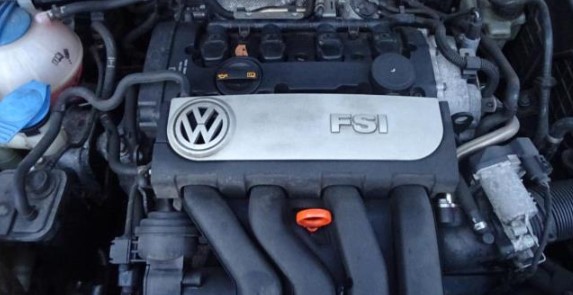
Welcome, gearheads! If you're diving into maintaining or modifying a Volkswagen 2.0 engine – be it a trusty Mk6 Golf or a punchy Jetta – understanding the cooling system is absolutely critical. This isn't just about preventing overheating; it's about optimizing performance and extending the life of your engine. A detailed cooling system diagram is your roadmap to success. In this article, we'll break down everything you need to know, from component identification to troubleshooting common issues.
Purpose of a VW 2.0 Cooling System Diagram
Why bother with a diagram? Simple: clarity and control. A cooling system diagram provides a visual representation of how all the components of your engine's cooling system interact. This is invaluable for:
- Diagnosis: Quickly identify the source of a leak, blockage, or malfunction.
- Repair: Understand the correct routing of hoses and the placement of components for reassembly.
- Maintenance: Perform proactive maintenance like flushing the system or replacing components before they fail.
- Modification: Plan and execute performance upgrades, such as installing a larger radiator or an oil cooler.
- Learning: Deepen your understanding of engine operation and cooling principles.
Think of it as a blueprint. Attempting cooling system work without a diagram is like trying to build a house without one – you might get lucky, but you're more likely to make mistakes and waste time (and money!).
Key Specs and Main Cooling System Parts of a VW 2.0 Engine
Let's get down to brass tacks. While specific configurations can vary slightly depending on the exact engine code (e.g., CBFA, CCTA, CAEB), the fundamental components and principles remain the same. We'll focus on the most common configurations found in VW 2.0 TSI/TFSI engines.
Essential Components:
- Radiator: The primary heat exchanger. It dissipates heat from the coolant as air flows through its fins. It is connected to the engine via upper and lower radiator hoses.
- Water Pump: Circulates coolant throughout the engine and cooling system. Most 2.0 engines use a belt-driven water pump, though some newer variants utilize an electric pump.
- Thermostat: Controls the flow of coolant to the radiator, maintaining optimal engine operating temperature. It opens and closes based on coolant temperature.
- Coolant Reservoir (Expansion Tank): Stores excess coolant and compensates for expansion and contraction due to temperature changes.
- Coolant Hoses: Connect all the components of the cooling system, providing pathways for coolant flow. They are made of durable rubber or silicone.
- Coolant Temperature Sensor (CTS): Monitors the coolant temperature and sends data to the engine control unit (ECU). Crucial for fuel injection and timing control.
- Cooling Fan(s): Augments airflow through the radiator, especially at low speeds or when the engine is idling. Controlled by the ECU based on coolant temperature and A/C demand.
- Heater Core: A small radiator located inside the passenger compartment. Provides heat to the cabin by circulating hot coolant.
- Oil Cooler (Often Integrated): Some 2.0 engines have an integrated oil cooler that uses coolant to regulate engine oil temperature.
Key Specs: Coolant type is critical! VW 2.0 engines typically require G12, G12+, G13, or equivalent coolant. Never mix different types of coolant, as this can cause corrosion and damage to the system. Consult your owner's manual for the precise specification for your engine. System capacity typically ranges from 6 to 8 liters.
Understanding Cooling System Diagram Symbols
Diagrams use a universal language of symbols. Knowing these symbols unlocks the diagram's full potential:
- Solid Lines: Represent coolant hoses or pipes. The thickness of the line may indicate the diameter of the hose.
- Dashed Lines: Often indicate vacuum lines or electrical wiring related to the cooling system components (e.g., fan control circuits).
- Arrows: Show the direction of coolant flow.
- Circles/Squares: Typically represent components like sensors, valves, or pumps. The specific symbol will often be labeled.
- Color Coding: Some diagrams use colors to differentiate between supply and return lines, or between different types of fluids (e.g., coolant vs. oil in an oil cooler system).
Pay close attention to the legend or key that accompanies the diagram. This will define the specific symbols used in that particular illustration.
How the VW 2.0 Cooling System Works
The basic principle is simple: remove heat from the engine block and cylinder head to maintain optimal operating temperature. Here's a step-by-step overview:
- The water pump, driven by the engine's accessory belt (or an electric motor), circulates coolant through the engine block and cylinder head.
- As the coolant flows through the engine, it absorbs heat generated by combustion.
- The hot coolant then flows to the thermostat. If the coolant is below the thermostat's opening temperature (typically around 87-92°C or 189-198°F), the thermostat remains closed, and the coolant is recirculated back to the water pump, bypassing the radiator. This allows the engine to warm up quickly.
- Once the coolant reaches the thermostat's opening temperature, the thermostat begins to open, allowing coolant to flow to the radiator.
- As the coolant flows through the radiator, air passing through the radiator fins dissipates heat into the atmosphere. The cooling fan(s) kick in to increase airflow when needed.
- The cooled coolant then returns to the water pump, completing the cycle.
- The coolant reservoir maintains system pressure and provides a reserve of coolant to compensate for expansion and leaks.
- The heater core receives hot coolant diverted from the engine, allowing the climate control system to heat the passenger cabin.
The ECU constantly monitors coolant temperature via the CTS and adjusts fan speed and other engine parameters to maintain optimal cooling performance.
Real-World Use: Basic Cooling System Troubleshooting
Armed with your diagram and knowledge, you can tackle common cooling system problems:
- Overheating: Check coolant level, thermostat function, water pump operation, radiator condition (clogged fins?), and cooling fan operation. A blown head gasket can also cause overheating.
- Coolant Leaks: Visually inspect all hoses, connections, and components for leaks. Look for telltale signs of dried coolant. Pressure testing the system can help pinpoint difficult-to-find leaks.
- Low Coolant Level: Regularly check the coolant level in the reservoir. Persistent low coolant levels indicate a leak that needs to be addressed.
- Erratic Temperature Readings: Suspect a faulty CTS or wiring issue. Use a scan tool to monitor the coolant temperature readings.
- No Heat in Cabin: Check coolant level, thermostat function, and heater core hoses for blockages. A faulty blend door actuator can also prevent heat.
Example: You notice coolant dripping from the lower radiator hose connection. Consult your diagram to identify the correct hose and clamp. Replace the hose and clamp, ensuring a tight seal.
Safety Considerations
Caution! The cooling system operates under pressure and contains hot coolant. Never open the coolant reservoir cap while the engine is hot! Wait for the engine to cool down completely before attempting any repairs. Wear eye protection and gloves to prevent burns. When draining coolant, dispose of it properly; it is toxic.
Specific Risks:
- High-Pressure System: The cooling system is pressurized. Releasing pressure suddenly from a hot system can cause coolant to spray out and scald you.
- Moving Parts: Be mindful of the accessory belt and cooling fan(s) when working near the engine. Disconnect the battery to prevent accidental activation of the fans.
- Hot Surfaces: The engine block, cylinder head, and exhaust components can remain extremely hot for a considerable time after the engine has been running.
Remember: Safety first! If you're unsure about any procedure, consult a qualified mechanic.
We have the detailed VW 2.0 Engine Cooling System Diagram available for download. It offers a clear view of the key components, hose routing, and electrical connections discussed in this article. With this guide and the visual aid of the diagram, you will be well-equipped to tackle the cooling system tasks.