
Diagram Ford Ranger Heater Hose Routing
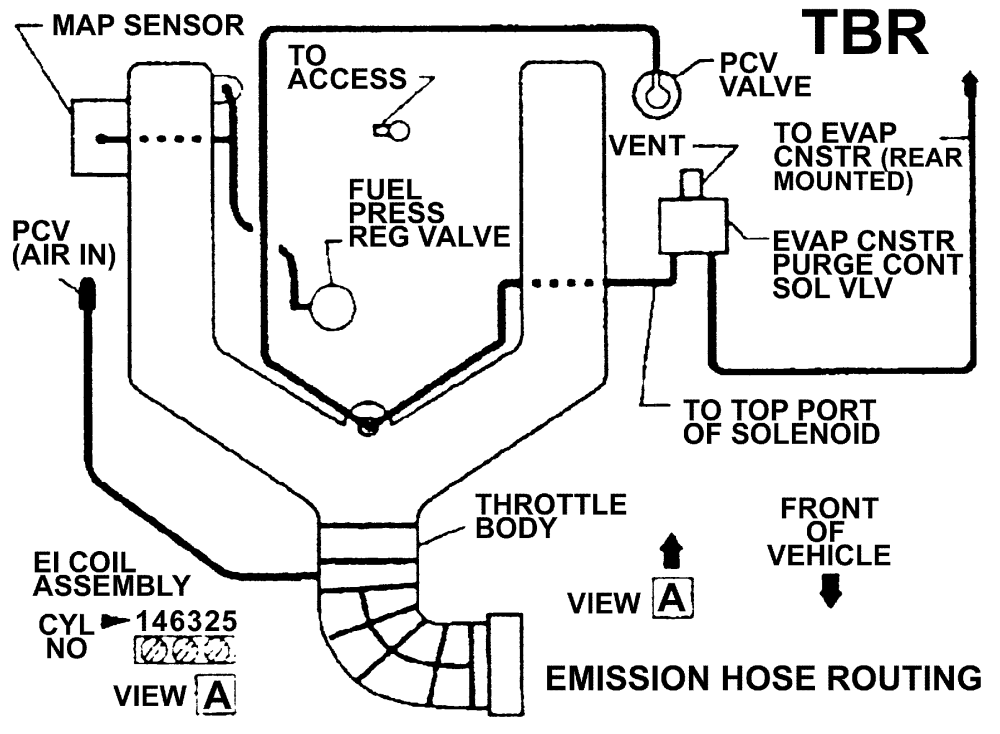
Alright, let's dive into the sometimes-confusing world of Ford Ranger heater hose routing. Whether you're tackling a leaky hose, flushing your coolant system, swapping an engine, or just trying to understand how your Ranger keeps you warm on those chilly mornings, a clear understanding of the heater hose routing is crucial. This article breaks down the system, explains the diagram, and offers some real-world tips to help you work on your Ranger's heating system with confidence. And the best part? We've got the actual diagram available for you to download – keep reading to find out how to grab it.
Purpose: Why a Heater Hose Routing Diagram Matters
A heater hose routing diagram isn't just a pretty picture; it's an invaluable tool. Here’s why it's important:
- Repair and Replacement: When a heater hose fails (cracks, leaks, or bursts), accurate hose routing is essential for installing the replacement correctly. Incorrect routing can lead to kinks, rubbing, and premature failure.
- Coolant System Flushes: Knowing the hose configuration allows you to effectively flush the entire coolant system, ensuring all contaminants are removed.
- Engine Swaps and Modifications: If you're swapping engines or modifying the cooling system, the diagram ensures that the heater core remains properly integrated.
- Troubleshooting: A diagram can help pinpoint problems like poor heat output by verifying proper coolant flow.
- Learning and Understanding: Simply put, understanding how the system works will make you a more competent DIY mechanic.
Key Specs and Main Parts of the Ford Ranger Heater System
Before we delve into the diagram, let's identify the core components of the heater system. Keep in mind that specific layouts can vary slightly depending on the Ranger's year and engine configuration, but the general principles remain the same.
- Heater Core: This small radiator is located inside the vehicle's dashboard. Hot coolant flows through it, and the blower motor pushes air across the core, heating the air that enters the cabin.
- Heater Hoses: These flexible hoses connect the engine's cooling system to the heater core. They carry hot coolant to the core and return cooled coolant back to the engine. Typically, there's an inlet hose (supply) and an outlet hose (return).
- Heater Control Valve (HCV): In some Ranger models, especially older ones, a heater control valve regulates the flow of coolant to the heater core. It's often vacuum-operated or cable-operated. Newer models often use a blend door to control temperature instead of a HCV.
- Coolant Reservoir (Overflow Tank): This tank holds excess coolant and allows for expansion and contraction of the coolant as it heats up and cools down.
- Water Pump: The water pump circulates coolant throughout the entire engine and cooling system, including the heater core.
- Thermostat: The thermostat regulates the engine temperature by controlling coolant flow to the radiator. Though not directly part of the heater circuit, a faulty thermostat can indirectly affect heater performance.
Decoding the Diagram: Understanding Lines, Colors, and Symbols
A good heater hose routing diagram uses a standardized set of symbols to clearly illustrate the system. Here’s a breakdown of what you might find:
- Solid Lines: Typically, solid lines represent the actual physical hoses carrying coolant. The thickness of the line may (but often does not) indicate the hose diameter.
- Dashed Lines: Dashed lines usually represent vacuum lines, cable controls, or other types of connections that aren’t fluid-carrying hoses. These are important for understanding how the heater control valve (if present) is operated.
- Arrows: Arrows on the lines indicate the direction of coolant flow. Pay close attention to these!
- Colors: Some diagrams use colors to differentiate between the supply (hot) and return (cooled) hoses. Red is often used for the supply line and blue for the return line, but this isn't universal.
- Component Symbols: Look for simplified representations of the major components, such as the heater core (often shown as a small radiator symbol), water pump, and coolant reservoir.
- Clamps: The diagram may show the locations of hose clamps, indicating where the hoses connect to the various components.
How It Works: The Coolant Flow Pathway
The heater system operates on a relatively simple principle. The water pump forces hot coolant from the engine through the inlet heater hose to the heater core. Inside the heater core, the coolant releases heat. The cooled coolant then flows out of the heater core through the outlet heater hose and returns to the engine, typically near the water pump or thermostat housing.
The heater control valve (if equipped) regulates the amount of hot coolant flowing to the heater core. When you set your heater to "cold," the valve restricts or blocks coolant flow, preventing the core from heating up. When you set it to "hot," the valve opens, allowing full coolant flow to the core.
In newer Rangers that use a blend door system, the coolant flow is typically constant. Instead of controlling coolant flow, a door inside the HVAC (Heating, Ventilation, and Air Conditioning) box redirects air either through the heater core (for heat) or around it (for cold air). This blend door is controlled by a cable, vacuum actuator, or electric motor, depending on the model.
Real-World Use: Basic Troubleshooting Tips
Here are a few common issues related to heater hose routing and the heating system in general, along with some troubleshooting tips:
- No Heat:
- Check Coolant Level: Low coolant is the most common cause of no heat.
- Check Thermostat: A faulty thermostat that's stuck open will prevent the engine from reaching operating temperature.
- Check Heater Control Valve (if equipped): Make sure the valve is opening and closing properly when you adjust the temperature control. Look for disconnected vacuum lines or broken cables.
- Check for Air Pockets: Air trapped in the cooling system can prevent coolant from circulating properly. Bleed the system according to your Ranger's service manual.
- Clogged Heater Core: A clogged heater core can restrict coolant flow. Try flushing the core to remove debris.
- Leaking Heater Hoses:
- Inspect Hoses: Look for cracks, bulges, or signs of wear. Replace damaged hoses immediately.
- Check Hose Clamps: Make sure the clamps are tight and in good condition. Replace corroded or damaged clamps.
- Overheating: Although not directly related to heater hose routing, a severely clogged heater core can contribute to overheating by restricting coolant flow.
Safety First: Handling Risky Components
Working on the cooling system involves risks, particularly when dealing with hot coolant. Always allow the engine to cool completely before opening the cooling system. Hot coolant is under pressure and can cause severe burns. Wear safety glasses and gloves to protect yourself from splashes and spills.
Be particularly careful when disconnecting heater hoses. Coolant can spray out unexpectedly. Have rags and a drain pan ready to catch any spills. Dispose of used coolant properly; it's toxic to the environment and to animals.
Get Your Diagram: Download It Here!
Now for the good part! We have a detailed Ford Ranger heater hose routing diagram ready for you to download. This diagram will provide a visual reference to ensure that you can route the hoses accurately when working on your Ranger's cooling system. (We can replace this sentence with instructions to get the actual diagram from you. E.g., "To get access to this valuable file, simply [action reader must take, such as sign up for a newsletter, click a button, etc.].")
By understanding the principles of heater hose routing and using a reliable diagram, you can tackle many cooling system repairs and maintenance tasks with confidence. Happy wrenching!