
Dodge Charger Rear Suspension Diagram
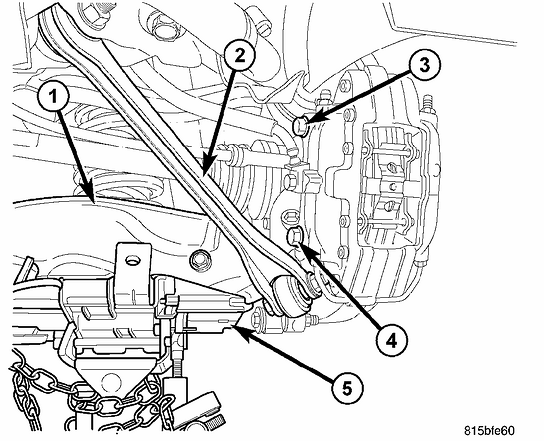
Okay, let's dive into the rear suspension of your Dodge Charger. Whether you're tackling a repair, planning a performance upgrade, or just trying to understand how your car handles, a solid understanding of the rear suspension is crucial. This article will break down a typical Dodge Charger rear suspension diagram, explain its components, and give you some practical advice for troubleshooting. Consider this your detailed, DIY-friendly guide.
Why This Diagram Matters
A rear suspension diagram is more than just a pretty picture. It's your roadmap for understanding, diagnosing, and repairing your Charger's rear suspension. Here's why it's so valuable:
- Repair and Maintenance: Locating components, identifying part numbers, and understanding assembly order are all made easier with a clear diagram.
- Troubleshooting: Pinpointing the source of noises, vibrations, or handling issues becomes more efficient.
- Performance Upgrades: Planning modifications like lowering springs, sway bar upgrades, or bushing replacements requires a deep understanding of the existing system.
- General Knowledge: Simply knowing how your car works makes you a more informed and confident owner.
Key Specs and Main Parts
The Dodge Charger typically uses a multi-link independent rear suspension. This design provides a good balance of ride comfort and handling performance. Let's break down the key components visible in the diagram:
Main Suspension Components:
- Lower Control Arm(s): Typically two, these arms connect the wheel hub assembly to the vehicle's frame. They control the wheel's movement and maintain alignment. The diagrams illustrate their attachment points and overall geometry.
- Upper Control Arm(s): Similar to the lower control arms, these further control wheel movement and alignment. Sometimes they are referred to as camber arms.
- Toe Link(s): These links, also referred to as tension arms or track arms, are crucial for adjusting the toe angle of the rear wheels, which affects handling and tire wear. The diagram often shows the location of the adjustment points.
- Springs: These absorb shocks and support the vehicle's weight. They can be coil springs (most common) or, in some cases, part of an air suspension system. The diagram indicates their position relative to the other components.
- Shock Absorbers (Dampers): These control the movement of the springs, preventing bouncing and maintaining a smooth ride. The diagram shows how they are mounted to the frame and the suspension components.
- Wheel Hub/Bearing Assembly: This is where the wheel attaches to the suspension. The diagram shows its connection to the control arms and other components.
- Sway Bar (Anti-Roll Bar): This connects the left and right sides of the suspension, reducing body roll during cornering. The diagram shows its mounting points on the frame and control arms.
- Bushing(s): These are rubber or polyurethane components that isolate vibrations and allow for controlled movement between suspension parts. The diagram shows the location of the main bushings.
Other Key Components:
- Subframe (Cradle): This is a structural component that supports the rear suspension and attaches it to the vehicle's chassis. The diagram illustrates its connection points.
- Brake Calipers and Rotors: While not strictly part of the suspension, they are intimately linked and often shown in the diagram for clarity.
- Parking Brake Mechanism: Integrated into the rear brakes, this is also frequently shown in the diagram.
- Axle Shafts/Half Shafts: These transmit power from the differential to the wheels. The diagram indicates their location and how they connect to the hub assembly.
Understanding Symbols
Rear suspension diagrams use a variety of symbols to represent different components and connections. While specific diagrams may vary slightly, here are some common symbols and their meanings:
- Solid Lines: Typically represent rigid components like control arms, links, and the subframe.
- Dashed Lines: Often indicate hidden lines or components that are behind other parts.
- Hatched Areas: May represent cross-sections of components, showing their internal structure.
- Circles or Dots: Usually indicate bolted connections. Different sized circles might indicate different sized bolts.
- Arrows: Can indicate the direction of movement or force.
- Color Coding: While not always present, color can be used to differentiate between different types of components (e.g., springs in one color, dampers in another).
Key Tip: Always refer to the diagram's legend or key to understand the specific symbols used in that particular drawing.
How It Works
The multi-link rear suspension works by allowing each wheel to move independently. When a wheel encounters a bump, the spring compresses and the shock absorber dampens the oscillation. The control arms and links work together to maintain the wheel's alignment, minimizing changes in camber, toe, and caster as the suspension moves. The sway bar connects the two sides, reducing body roll during cornering by transferring force from the loaded side to the unloaded side.
The beauty of this design is its adjustability. By adjusting the length of the control arms or links, you can fine-tune the car's handling characteristics. For example, adjusting the toe link changes the toe angle, affecting stability and cornering ability.
Real-World Use: Basic Troubleshooting Tips
Here are some common problems you might encounter with your Charger's rear suspension, and how the diagram can help you diagnose them:
- Clunking Noises: These often indicate worn bushings or loose bolts. Use the diagram to locate all the bushings and check them for play. Also, verify that all bolts are tightened to the specified torque.
- Squeaking Noises: Squeaks can be caused by dry or worn bushings. Lubricating the bushings might temporarily solve the problem, but replacement is often necessary. The diagram helps you identify all the bushing locations.
- Excessive Body Roll: This could be due to a damaged or disconnected sway bar. Inspect the sway bar and its mounting points, referring to the diagram for proper orientation. Also, check the sway bar end links for wear.
- Uneven Tire Wear: This can be a sign of misaligned suspension. Use the diagram to identify the adjustment points for camber, toe, and caster, and have the alignment professionally checked and adjusted.
- Bouncing or Poor Ride Quality: This suggests worn shock absorbers. Inspect the shocks for leaks and check their rebound damping.
Important Note: Always consult your vehicle's service manual for specific torque specifications and alignment procedures.
Safety Considerations
Working on suspension components can be dangerous, especially when dealing with compressed springs. Always use proper spring compressors when removing or installing coil springs. These can store a tremendous amount of energy. Neglecting to use them correctly can lead to serious injury. Also, always support the vehicle securely on jack stands before working underneath it. Do not rely solely on a jack.
The following components present the greatest risk:
- Springs: As mentioned, compressed springs are extremely dangerous.
- Ball Joints: If a ball joint fails, it can cause a sudden loss of control. Inspect them regularly for wear and replace them if necessary.
- Fasteners: Always use the correct torque specifications when tightening fasteners. Over-tightening can damage the threads, while under-tightening can lead to loose components.
Always wear safety glasses and gloves when working on your car.
We have a high-resolution, printable version of the Dodge Charger rear suspension diagram available for download. This diagram provides even greater detail and clarity, making it an invaluable resource for your repair or modification projects.