
Dodge Ram 1500 Tail Light Wiring Harness
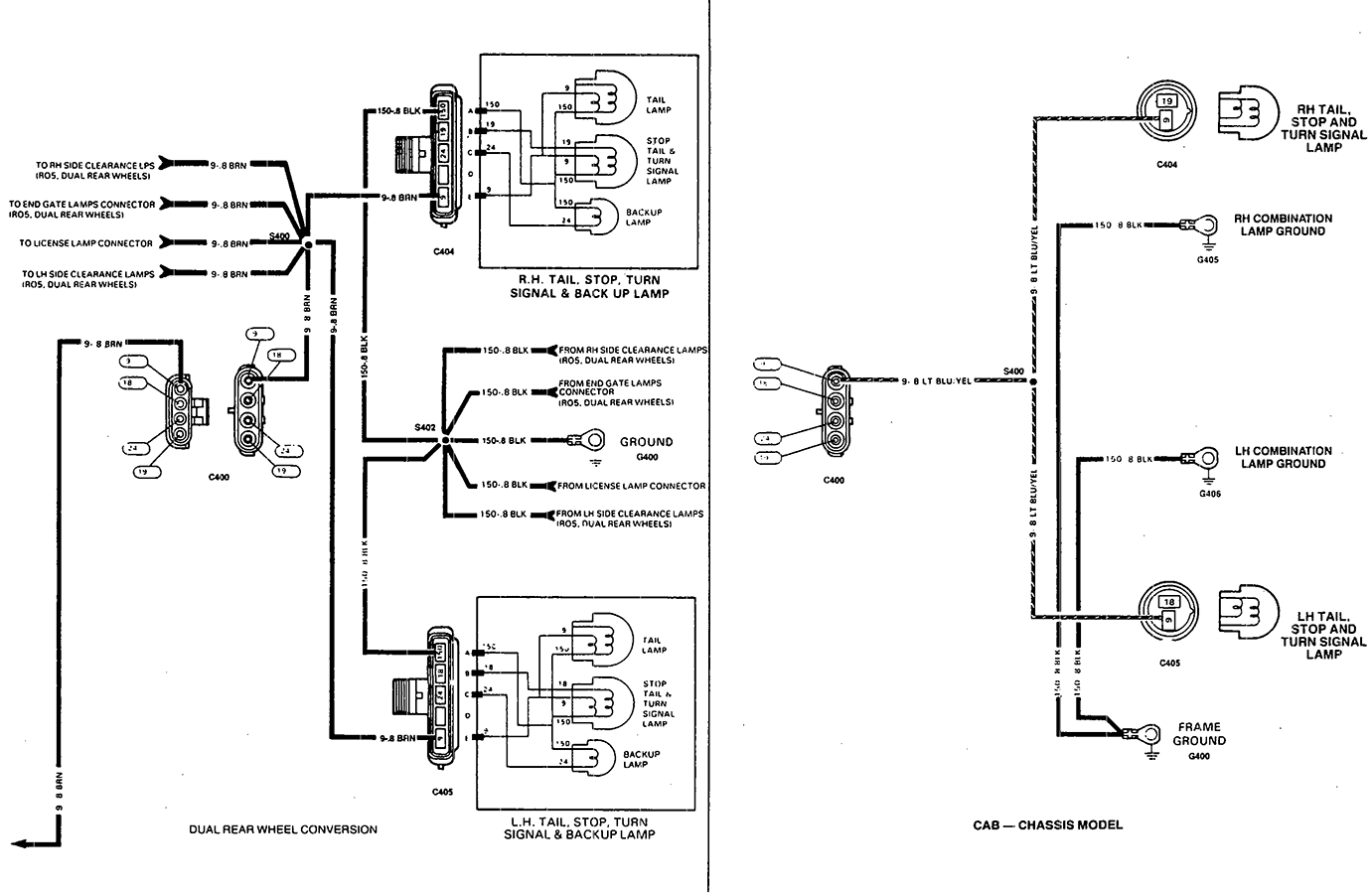
The Dodge Ram 1500 tail light wiring harness is a critical component of your truck's electrical system, responsible for delivering power and control signals to the rear lighting. Understanding its intricacies is vital for anyone undertaking repairs, modifications, or even routine maintenance. This article provides a detailed overview of the harness, its components, operation, and how to troubleshoot common issues.
Purpose of the Tail Light Wiring Harness
Why bother understanding the tail light wiring harness? The answer is multifaceted:
- Repair and Replacement: Diagnosing and fixing tail light problems, whether due to a blown bulb, damaged wiring, or faulty connector, requires familiarity with the harness.
- Aftermarket Modifications: Installing aftermarket tail lights, backup cameras, or trailer wiring requires tapping into or modifying the existing harness.
- Troubleshooting Electrical Issues: Problems with the tail lights can sometimes indicate broader electrical issues, and understanding the harness is a key step in identifying the root cause.
- Learning Automotive Electrical Systems: The tail light wiring harness is a relatively simple system, making it a good starting point for understanding automotive electrical principles.
Key Specs and Main Parts
The tail light wiring harness for a Dodge Ram 1500 typically consists of the following key components:
- Main Harness: This is the primary bundle of wires that runs from the truck's electrical system to the tail lights. It's usually protected by a plastic conduit or wrapped in electrical tape.
- Connectors: These are plastic plugs that connect the harness to the tail light assemblies, the trailer wiring connector (if equipped), and the truck's main wiring harness. Good connectors are essential for a secure and reliable electrical connection. A poor connection leads to corrosion, heat, and intermittent issues.
- Wires: Each wire carries a specific electrical signal, such as power for the brake lights, turn signals, running lights, and reverse lights. The wires are typically color-coded for easy identification. The gauge (thickness) of the wire is crucial, ensuring it can handle the current load.
- Ground Wire: A dedicated ground wire provides a return path for the electrical current, completing the circuit. A good ground is essential for proper operation of the tail lights. Often connected to the frame of the truck.
- Bulb Sockets: These hold the tail light bulbs and provide electrical contact.
- Trailer Wiring Connector (Optional): If equipped, the truck will have a trailer wiring connector (usually a 4-pin or 7-pin connector) that allows you to connect trailer lights to the truck's electrical system. This connects directly to the tail light harness.
Understanding the Wiring Diagram: Symbols and Conventions
A wiring diagram is a visual representation of the electrical circuit. Understanding the symbols and conventions is crucial for interpreting the diagram.
- Lines: Represent wires. A solid line indicates a direct connection, while a dashed line may indicate a shielded wire or a connection through a component.
- Wire Colors: Wires are color-coded according to industry standards. Common colors include:
- Black: Ground
- Red: Power (often battery or ignition switched)
- Brown: Tail lights/Running lights
- Yellow: Left Turn Signal/Brake light
- Green: Right Turn Signal/Brake light
- White: Ground (alternative)
- Dark Blue: Reverse Lights
- Connectors: Represented by various symbols depending on the diagram style. They typically show the number of pins and their arrangement.
- Fuses and Relays: Fuses are indicated by a zig-zag line within a rectangle, while relays are represented by a coil and a switch. A fuse protects the circuit from overcurrent, while a relay allows a low-current circuit to control a high-current circuit.
- Ground Symbol: A symbol that looks like an upside-down tree indicates a connection to ground.
How the Tail Light Wiring Harness Works
The tail light wiring harness provides power and control signals to the tail lights based on the driver's actions. Here's a simplified explanation:
- Running Lights: When the headlights are turned on, power is supplied to the running light circuit, illuminating the tail lights at a reduced brightness.
- Brake Lights: When the brake pedal is pressed, a signal is sent from the brake light switch to the tail lights, illuminating them at full brightness. This signal often overrides the running light signal.
- Turn Signals: When the turn signal lever is activated, the turn signal flasher unit interrupts the power to the corresponding tail light, causing it to flash.
- Reverse Lights: When the vehicle is shifted into reverse, the reverse light switch sends power to the reverse lights, illuminating them to provide visibility while backing up.
Real-World Use: Basic Troubleshooting Tips
Here are some basic troubleshooting tips for common tail light issues:
- Blown Bulb: This is the most common cause of tail light problems. Check the bulbs for a broken filament. Replacing a bulb is a straightforward fix.
- Faulty Connector: Inspect the connectors for corrosion or damage. Clean the connectors with electrical contact cleaner and ensure they are securely connected. If severely damaged, replace the connector.
- Broken Wire: Visually inspect the wiring harness for any broken or frayed wires. Use a multimeter to test for continuity (electrical flow) in the wires. Repair any broken wires with butt connectors and electrical tape or heat shrink tubing.
- Bad Ground: Ensure the ground wire is securely connected to the frame of the truck. Clean the ground connection point to remove any rust or corrosion.
- Blown Fuse: Check the fuse box for any blown fuses related to the tail lights. Replace any blown fuses with the correct amperage rating. If the fuse blows repeatedly, it indicates a more serious problem, such as a short circuit.
- Faulty Switch: If none of the above solves the problem, the issue might be with the brake light switch, turn signal switch, or headlight switch. These may require professional diagnosis and repair.
Safety Considerations
Working with automotive electrical systems can be dangerous. Here are some safety precautions to take:
- Disconnect the Battery: Before working on the electrical system, disconnect the negative terminal of the battery to prevent short circuits and electrical shocks.
- Use Proper Tools: Use insulated tools designed for electrical work.
- Wear Safety Glasses: Protect your eyes from sparks and debris.
- Identify High-Risk Components: Be aware of components that carry high voltage, such as the ignition system. Avoid touching these components while the engine is running.
- Never Work in Wet Conditions: Water conducts electricity, so never work on the electrical system in wet conditions.
- Double Check Wiring: Before reconnecting the battery, double-check all wiring connections to ensure they are correct. Improper wiring can cause serious damage to the electrical system. Incorrect wiring can damage the vehicle's computer (ECU).
While the tail light circuit isn't considered high-voltage, it's directly tied to the vehicle's battery. A short circuit can quickly overheat wires and potentially start a fire. Therefore, proper grounding and fuse protection are critical.
Remember to always consult the specific wiring diagram for your Dodge Ram 1500 model year and trim level. Wiring configurations can change between years, and using the wrong diagram can lead to incorrect repairs or modifications.
We have a downloadable PDF of a typical Dodge Ram 1500 tail light wiring diagram available. Please use it as a general guide and always verify with your vehicle's specific documentation. Contact us to get your copy.