
Dodge Ram 2500 Serpentine Belt Diagram
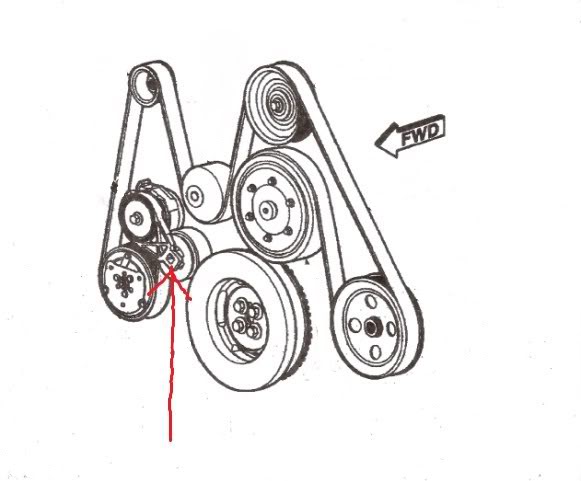
The serpentine belt in your Dodge Ram 2500 is a critical component, responsible for powering various engine accessories. Understanding its layout, operation, and troubleshooting techniques is invaluable for any intermediate car owner or DIY mechanic. This article will dissect the serpentine belt diagram for your Ram 2500, providing the knowledge you need for repairs, maintenance, and even performance modifications. We also have a downloadable diagram available for easy reference.
Purpose: Why the Serpentine Belt Diagram Matters
The serpentine belt diagram is more than just a picture; it's a roadmap to understanding and maintaining your Ram 2500's accessory drive system. Here's why it's important:
- Repair and Replacement: When replacing a worn or broken belt, the diagram ensures correct routing. Improper routing can lead to accessory failure, belt damage, and even engine damage.
- Troubleshooting: Identifying the components driven by the belt allows you to pinpoint the source of issues like power steering failure, alternator malfunction, or A/C problems.
- Maintenance: Regular inspection, informed by the diagram, helps you identify potential problems before they become major breakdowns.
- Modifications: Planning accessory upgrades (e.g., adding a supercharger) requires understanding the belt's load capacity and routing constraints.
- Understanding System Dynamics: Comprehending the interconnectedness of the accessories gives you a deeper understanding of your engine's operation.
Key Specs and Main Parts of the Serpentine Belt System
The serpentine belt system comprises several key components, each with a specific function. The specific configuration can vary slightly based on the engine (e.g., Cummins diesel vs. Hemi gas), but the principles remain the same. Let's examine the typical parts involved:
- Serpentine Belt: The continuous belt itself, made of reinforced rubber, transmits power from the crankshaft to the accessories.
- Crankshaft Pulley (Damper): Bolted to the crankshaft, it's the driving force of the system. The damper portion absorbs torsional vibrations from the engine.
- Alternator Pulley: Driven by the belt, the alternator generates electrical power for the vehicle.
- Power Steering Pump Pulley: Drives the power steering pump, providing hydraulic assistance for steering.
- Air Conditioning Compressor Pulley: Drives the A/C compressor, which circulates refrigerant to cool the cabin.
- Water Pump Pulley: The water pump circulates coolant to regulate engine temperature.
- Tensioner Pulley: A spring-loaded pulley that maintains constant tension on the belt, preventing slippage and premature wear. This is *crucially* important.
- Idler Pulley(s): Smooth pulleys that guide the belt around components and maintain proper belt wrap. Belt wrap refers to the amount of contact the belt has with each pulley, which affects power transmission efficiency.
- (Optional) Fan Clutch: On some models, especially diesels, a fan clutch engages and disengages the engine cooling fan based on temperature.
Decoding the Serpentine Belt Diagram: Symbols and Conventions
The serpentine belt diagram uses specific symbols and conventions to represent the system's layout. Understanding these elements is vital for accurate interpretation.
- Solid Lines: Represent the path of the belt itself. The width of the line doesn't usually represent belt thickness.
- Arrows: Indicate the direction of belt rotation on each pulley. Follow these arrows to understand the power flow.
- Pulley Icons: Each pulley is represented by a circle. The center of the circle indicates the pulley's axis of rotation. Some diagrams may use slightly different icons for different accessory types.
- Text Labels: Each pulley is typically labeled with an abbreviation indicating its function (e.g., ALT for alternator, P/S for power steering, A/C for air conditioning).
- Tensioner Symbol: The tensioner pulley is often depicted with a spring symbol or an arrow indicating the direction of its tensioning force.
- Routing Indicators: Some diagrams use dashed lines or shaded areas to indicate the belt's path behind or around other components, enhancing clarity.
How the Serpentine Belt System Works
The serpentine belt system is a marvel of simplicity and efficiency. The crankshaft, driven by the engine's combustion process, rotates the crankshaft pulley. This rotation is then transferred to the serpentine belt, which snakes its way around all the other pulleys in the system. As the crankshaft turns, it drives the belt, which in turn spins the pulleys connected to the alternator, power steering pump, A/C compressor, water pump, and other accessories. The tensioner pulley ensures the belt remains taut, preventing slippage and maximizing power transfer. The idler pulleys guide the belt along its optimal path, ensuring adequate belt wrap on each pulley.
The tensioner is particularly vital. Over time, belts stretch. The tensioner automatically compensates for this wear, maintaining the correct tension. A failing tensioner will cause belt slippage, noise (squealing), and reduced accessory performance.
Real-World Use: Basic Troubleshooting Tips
Armed with the serpentine belt diagram, you can diagnose and address common problems. Here are some troubleshooting tips:
- Squealing Noise: Often indicates a slipping belt. Check the belt for wear, cracks, or glazing. Inspect the tensioner for proper function. Sometimes, applying a small amount of belt dressing (use sparingly!) can temporarily alleviate squealing.
- Accessory Failure: If an accessory stops working (e.g., power steering loss), check the belt for breaks or damage. Verify that the pulley is spinning freely. If the pulley is seized, it can shred the belt.
- Belt Wear: Inspect the belt regularly for cracks, fraying, or missing chunks. Replace the belt proactively to avoid a breakdown. Pay special attention to the ribs on the belt's inner surface.
- Tensioner Issues: A wobbly or noisy tensioner indicates a problem. Replace the tensioner assembly, not just the pulley.
- Routing Errors: If you've recently replaced the belt and are experiencing problems, double-check the routing against the diagram. Even a slight deviation can cause issues.
For example, a sudden loss of power steering accompanied by a loud squeal might point to a damaged belt or a seized power steering pump pulley. Using the diagram, you can quickly confirm that the power steering pump is indeed driven by the serpentine belt and then proceed to inspect the belt and pulley for damage.
Safety Considerations: Risky Components
Working on the serpentine belt system involves potential hazards. Always disconnect the negative battery cable before starting any work to prevent accidental electrical shock. The engine must be cool before you begin. Exercise extreme caution around rotating parts. The belt, pulleys, and engine components can be extremely hot after the engine has been running.
Specifically, be aware of:
- Rotating Parts: Never put your hands or tools near a running engine. The serpentine belt and pulleys can cause serious injury.
- Hot Surfaces: Exhaust manifolds, engine blocks, and some pulleys can become extremely hot. Wear gloves and allow the engine to cool before working.
- Spring Tension: The tensioner pulley is under spring tension. Use the correct tools to relieve the tension before removing the belt. Incorrectly releasing the tension can cause injury.
- Belt "Snap": When a belt breaks or slips off a pulley unexpectedly, it can whip around and cause injury. Wear safety glasses to protect your eyes.
Always use appropriate safety precautions and consult a qualified mechanic if you are unsure about any procedure.
We have the Dodge Ram 2500 Serpentine Belt Diagram file available for download. With the diagram, you'll have a valuable resource for maintaining and repairing your vehicle's accessory drive system.