
Door Latch Car Door Lock Mechanism Diagram
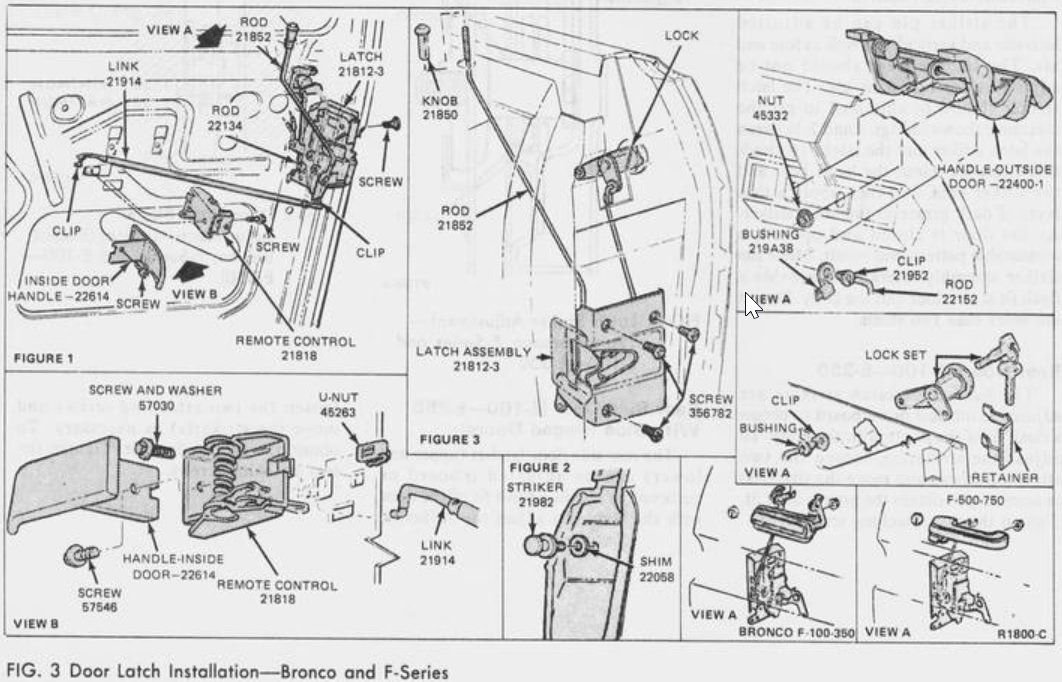
Let's dive into the intricate world of car door latch and lock mechanisms. Having a solid understanding of these systems is invaluable, whether you're troubleshooting a sticky door, attempting a security upgrade, or simply curious about how your car keeps you safe. This guide provides a detailed breakdown of a typical door latch and lock mechanism diagram, equipping you with the knowledge to tackle repairs and modifications with confidence. We also have the file, and you can download the diagram.
Purpose of Understanding the Door Latch and Lock Mechanism
Why bother learning about these mechanisms? Several compelling reasons exist:
- Troubleshooting Malfunctions: Diagnosing a door that won't open, won't close, or is exhibiting erratic behavior becomes significantly easier with a grasp of the underlying system.
- Repair and Replacement: Replacing a faulty latch, lock actuator, or other component is a common DIY task, saving you money on labor costs.
- Security Upgrades: Understanding the existing locking mechanism allows you to assess its vulnerabilities and implement effective upgrades to enhance security.
- Preventative Maintenance: Early detection of wear and tear can prevent major failures and keep your doors functioning smoothly.
- General Automotive Knowledge: A deeper understanding of automotive systems contributes to your overall mechanical aptitude and problem-solving skills.
Key Specs and Main Parts
A typical car door latch and lock mechanism consists of several key components, all working in concert. Let's break them down:
- Outer Door Handle: The external handle used to initiate the door opening sequence.
- Inner Door Handle: The internal handle, providing an alternative means of opening the door.
- Latch: The primary component responsible for securing the door to the car body. It engages with the striker plate on the door frame.
- Striker Plate: A reinforced metal plate mounted on the door frame that the latch engages with. Its position is crucial for proper door alignment and secure closure.
- Lock Cylinder (Key Cylinder): The mechanism that accepts the key and translates the key's rotation into a mechanical action to lock or unlock the door.
- Lock Actuator: An electric motor that moves the locking mechanism, typically controlled by the key fob or interior door lock switch. This is usually a solenoid-based system.
- Lock Rods (Linkages): Metal rods or cables that connect the handles, lock cylinder, and actuator to the latch mechanism. These transfer the mechanical force required to operate the lock and latch.
- Door Lock Switch: Located inside the car, this switch allows you to lock or unlock all doors simultaneously (power door locks).
- Child Safety Lock: A mechanical switch, usually located on the rear doors, that prevents the door from being opened from the inside.
- Wiring Harness: Connects the lock actuator, door lock switch, and other electrical components to the car's electrical system.
Diagram Symbols: Decoding the Language
Understanding the symbols used in a door latch and lock mechanism diagram is crucial for proper interpretation. Here's a breakdown of common symbols:
- Solid Lines: Typically represent mechanical linkages, such as lock rods or cables. A thicker line might indicate a more substantial component.
- Dashed Lines: Often depict electrical wiring or connections. The type of dash (e.g., long dash, short dash, dot-dash) may indicate the wire's function (e.g., power, ground, signal).
- Arrows: Indicate the direction of movement or force. For example, an arrow might show the direction the latch moves when the handle is pulled.
- Circles: Can represent pivots, joints, or connection points.
- Rectangles: May represent electrical components like the lock actuator or door lock switch.
- Color Coding: Wire diagrams often use color-coded lines to differentiate between different circuits. Common colors include red (power), black (ground), and various other colors for signal wires. Always consult the specific diagram's key for color-coding information.
- Component Identifiers: Each component is typically labeled with a unique identifier (e.g., LA-1 for Lock Actuator 1). This identifier is used to cross-reference the component in the parts list and other documentation.
- Ground Symbol: A series of downward-pointing lines indicating a connection to the car's chassis ground.
How It Works: The Operation Sequence
The basic operation is surprisingly complex:
- Unlocking: When you turn the key or press the key fob button, the lock cylinder or lock actuator is activated. The actuator then moves the lock rod or cable, disengaging the lock from the latch mechanism.
- Opening: When you pull the door handle (either inside or outside), a linkage connects the handle to the latch. This linkage rotates or pulls the latch, releasing it from the striker plate.
- Closing: As you swing the door closed, the latch strikes the striker plate. A spring-loaded mechanism allows the latch to pivot and engage with the striker plate, securing the door.
- Locking: When the door is locked, a locking mechanism prevents the latch from being released by the door handles. This mechanism can be mechanical (operated by the key cylinder) or electrical (operated by the lock actuator).
Real-World Use: Basic Troubleshooting Tips
Here are a few common issues and troubleshooting tips:
- Door Won't Open (Inside or Outside): Check for a disconnected or broken linkage. Spray lubricant into the latch mechanism. If the door is locked, ensure the lock is fully disengaged. Sometimes the linkage that connects the inner door handle to the latch gets disconnected.
- Door Won't Lock: If using power locks, check the fuse for the power door lock system. Inspect the lock actuator for damage or malfunction. If using manual locks, check the linkage between the key cylinder and the latch mechanism. A common issue is a faulty lock actuator.
- Door Won't Close Properly: The striker plate might be misaligned. Loosen the striker plate screws and adjust its position until the door closes smoothly. The latch itself might be worn or damaged.
- Key Doesn't Turn in Lock Cylinder: The lock cylinder might be dirty or corroded. Try lubricating it with a graphite-based lubricant (do *not* use oil-based lubricants, as they can attract dirt). The key itself might be worn or damaged.
When troubleshooting, always refer to the specific diagram for your vehicle's make and model. Component locations and wiring configurations can vary significantly.
Safety Considerations
Working with door latch and lock mechanisms can involve certain hazards. Here are some important safety precautions:
- Electrical Systems: Disconnect the battery's negative terminal before working on any electrical components, such as the lock actuator or door lock switch. This prevents accidental shorts and electrical shocks.
- Sharp Edges: Be careful of sharp edges on metal components, especially the striker plate and latch mechanism. Wear gloves to protect your hands.
- Springs: The latch mechanism often contains springs. Be cautious when disassembling the latch, as these springs can be under tension and could cause injury if released unexpectedly.
- Power Windows: If you are working inside the door panel, be aware of the power window mechanism. Avoid accidentally activating the power windows while your hands are inside the door. Never put your hands in there with the power on.
It is also very important that if you are working on door that utilizes a side impact air bag, that you understand the procedure to disable the air bag before starting any work. Accidental air bag deployment could cause serious injury.
Remember, working on your car's door latch and lock mechanism requires a combination of knowledge, skill, and caution. Always consult the service manual for your specific vehicle and prioritize safety.
We have the detailed diagram available for download. It contains all the information discussed above and more, tailored for practical use. Contact us to get access to the file!