
Engine Wiring Harness Replacement Cost
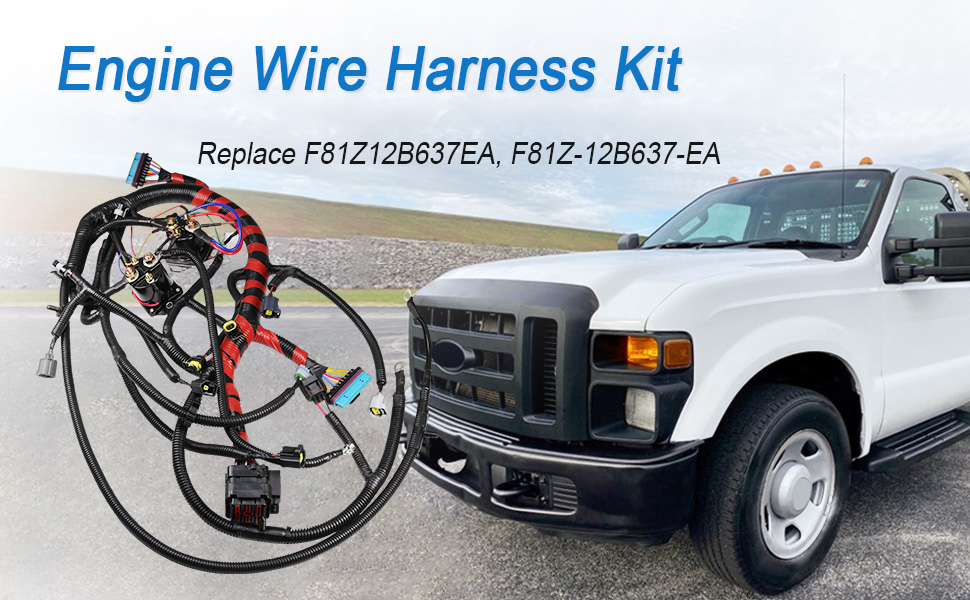
Let's talk about something that's often hidden but utterly crucial to your car's operation: the engine wiring harness. Replacing it can seem daunting, but understanding the basics will empower you to tackle the job yourself or at least have an informed conversation with your mechanic. This article will break down the anatomy, function, and replacement costs associated with this vital component, focusing on what an experienced DIYer needs to know.
Purpose of Engine Wiring Harness Replacement
The engine wiring harness is essentially the central nervous system of your engine. It's a bundle of wires, connectors, and terminals that transmit electrical signals and power to various engine components. Think of it as the highway system for electrons, allowing your engine's computer (the Engine Control Unit, or ECU) to control everything from fuel injectors and ignition coils to sensors like the crankshaft position sensor and mass airflow sensor. Replacing it becomes necessary when:
- Corrosion and Damage: Over time, exposure to heat, oil, and the elements can degrade the insulation and conductors within the harness, leading to shorts, open circuits, and intermittent failures. Rodent damage is also a common culprit.
- Modification and Upgrade: If you're performing extensive engine modifications, such as swapping in a different engine or adding forced induction (turbocharger or supercharger), you might need to replace or modify the existing harness to accommodate the new components and their wiring requirements.
- Repair Difficulty: In some cases, attempting to repair a severely damaged harness becomes more time-consuming and unreliable than simply replacing it. Especially if multiple wires are affected.
- Age: As vehicles age, the harness can become brittle and prone to cracking, leading to malfunctions.
Key Specs and Main Parts of an Engine Wiring Harness
An engine wiring harness isn't just a bunch of wires thrown together. It's a carefully engineered system with specific components:
- Wires: These are typically stranded copper conductors, chosen for their flexibility and conductivity. The gauge of the wire (e.g., 16 AWG, 18 AWG) indicates its thickness and current-carrying capacity. Thicker wires are used for high-current circuits like the starter motor, while thinner wires are used for sensor signals.
- Connectors: These provide secure and reliable electrical connections to the various engine components. They are often keyed to prevent incorrect connections, and many are environmentally sealed to protect against moisture and contaminants. Common types include Weatherpack, Metri-Pack, and Molex connectors.
- Terminals: These are the metal contacts that crimp onto the ends of the wires and insert into the connectors. Proper crimping is essential for a solid electrical connection.
- Protective Sleeving and Loom: This protects the wires from abrasion, heat, and chemical exposure. Materials like corrugated tubing, heat-shrink tubing, and braided sleeving are commonly used.
- Grounding Straps: These provide a low-resistance path to ground for various engine components and the ECU. Proper grounding is critical for reliable sensor readings and overall engine operation.
- Relays and Fuses: While not strictly part of the harness itself, relays and fuses are often integrated into the harness to protect circuits from overcurrent and provide switching functions.
How It Works
The engine wiring harness functions as a communication network, allowing the ECU to both receive information from sensors and send commands to actuators. Here's a simplified breakdown:
- Sensor Input: Sensors like the coolant temperature sensor, oxygen sensors, and throttle position sensor provide data to the ECU. These sensors send analog or digital signals through the wiring harness to the ECU.
- ECU Processing: The ECU analyzes the sensor data and uses pre-programmed algorithms to determine the optimal engine operating parameters.
- Actuator Control: Based on its calculations, the ECU sends signals through the wiring harness to control actuators like the fuel injectors, ignition coils, idle air control valve, and various solenoids.
- Power Distribution: The harness also distributes power from the battery and alternator to various engine components, such as the starter motor, fuel pump, and sensors.
Real-World Use: Basic Troubleshooting Tips
Here are some common symptoms of a failing engine wiring harness and troubleshooting tips:
- Intermittent Engine Stalling or Misfires: This could indicate a loose connection or a broken wire in the harness. Check the connectors at the affected components for corrosion or damage. Use a multimeter to check for continuity in the wires.
- Check Engine Light (CEL): A CEL can be triggered by a variety of issues, including wiring harness problems. Scan the ECU for diagnostic trouble codes (DTCs) to identify the affected circuit.
- Sensor Malfunctions: If a particular sensor is consistently reporting incorrect readings, the wiring to that sensor may be damaged. Check the wiring for shorts to ground or open circuits.
- Starting Problems: A faulty starter motor circuit in the harness can prevent the engine from starting. Check the starter solenoid wiring and the ground connections.
Pro Tip: When troubleshooting wiring problems, always start by checking the simplest things first: fuses, relays, and ground connections. A poor ground is often the cause of many electrical issues.
Safety: Highlighting Risky Components
Working with automotive electrical systems involves inherent risks. Here are some critical safety precautions:
- Disconnect the Battery: Always disconnect the negative battery terminal before working on any electrical components. This will prevent accidental shorts and potential electrical shocks.
- Be Careful with High-Voltage Components: Ignition coils and fuel injectors operate at high voltages. Avoid touching these components while the engine is running or the ignition is on.
- Use Proper Tools: Use insulated tools designed for automotive electrical work. This will help prevent accidental shorts and protect you from electric shock.
- Avoid Working in Wet Conditions: Water is a conductor of electricity. Never work on electrical components in wet conditions.
- Consult a Professional: If you're not comfortable working with electrical systems, consult a qualified mechanic. Mistakes can be costly and dangerous.
- Airbag Systems: Be extremely cautious around airbag wiring. Improper handling can cause accidental deployment, leading to serious injury. Consult a professional if you need to work near airbag components.
Engine Wiring Harness Replacement Cost
The cost to replace an engine wiring harness can vary widely depending on several factors:
- Vehicle Make and Model: Luxury vehicles and those with complex electrical systems tend to have more expensive harnesses.
- Harness Complexity: The more components and sensors the engine has, the more complex the harness will be, and the higher the cost.
- OEM vs. Aftermarket: OEM (Original Equipment Manufacturer) harnesses are typically more expensive than aftermarket options. However, OEM harnesses are often a better fit and are designed to meet the vehicle's original specifications.
- Labor Costs: Labor costs can vary significantly depending on the mechanic's hourly rate and the complexity of the installation. Some harnesses are relatively easy to replace, while others require extensive disassembly of the engine compartment.
Here's a general estimate:
- Harness Cost: $200 - $1500+ (OEM harnesses can easily exceed this range)
- Labor Cost: $300 - $1000+ (depending on complexity)
- Total Cost: $500 - $2500+
DIY Considerations: If you're comfortable working with electrical systems and have access to the necessary tools (wire strippers, crimpers, multimeter, etc.), you can save a significant amount of money by replacing the harness yourself. However, it's essential to have a detailed wiring diagram and to carefully label all the connections before disconnecting the old harness.
Replacing an engine wiring harness is a significant undertaking, but with a solid understanding of its function and components, you can make an informed decision about whether to tackle the job yourself or seek professional help. Always prioritize safety and consult a qualified mechanic if you're unsure about any aspect of the repair.
Note: Always consult your vehicle's service manual for specific wiring diagrams and procedures related to your make and model.