
F150 Diagram 4.6 Ford Engine Vacuum Lines
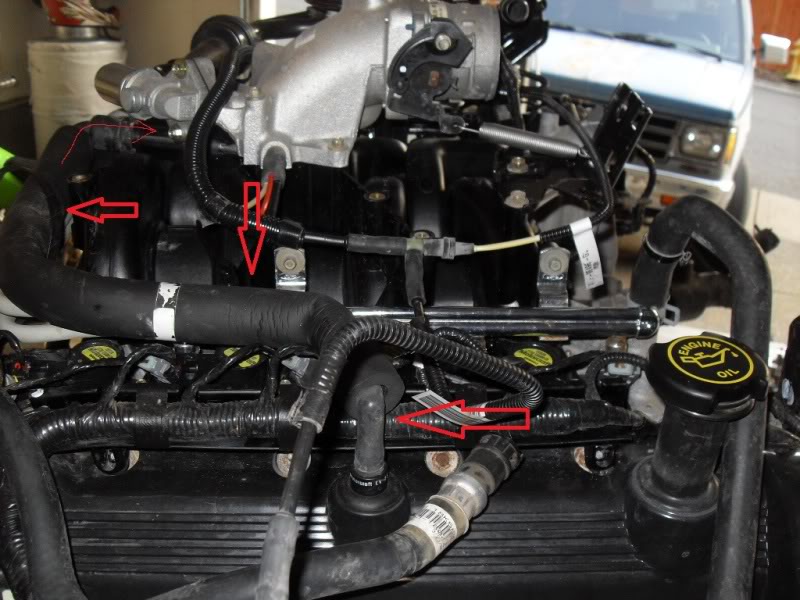
The Ford F-150, especially models equipped with the robust 4.6L engine, remains a popular choice for its reliability and workhorse capabilities. Understanding the vacuum line system in these engines is crucial for maintaining optimal performance, diagnosing issues, and even undertaking certain modifications. This article provides a detailed explanation of the 4.6L Ford engine vacuum line diagram, aimed at intermediate car owners, modders, and DIY mechanics.
Purpose: Why Understanding Vacuum Lines Matters
The vacuum line system plays a vital role in several engine functions. Knowing the vacuum line layout allows you to:
- Diagnose Performance Issues: Vacuum leaks can cause a range of problems, including rough idling, poor fuel economy, hesitation during acceleration, and even a check engine light (CEL). Identifying the source of the leak is the first step in fixing it.
- Perform Repairs: Replacing cracked, brittle, or disconnected vacuum lines is a common maintenance task. Having the diagram handy makes it much easier to ensure correct routing.
- Understand Engine Systems: Vacuum lines are integral to several engine systems, including the PCV (Positive Crankcase Ventilation), EGR (Exhaust Gas Recirculation), brake booster, and HVAC (Heating, Ventilation, and Air Conditioning) systems. Understanding the lines allows you to understand how these systems work.
- Plan Modifications: If you're considering performance upgrades or engine modifications, you need to understand the existing vacuum system to avoid unintended consequences.
Key Specs and Main Parts
The 4.6L Ford engine utilizes a network of vacuum lines to control various components. Here are some of the key parts and their functions:
- Vacuum Source: The primary vacuum source is typically the intake manifold. The intake manifold pressure, which is lower than atmospheric pressure during engine operation, provides the "vacuum" that drives these systems.
- PCV Valve: The PCV valve regulates the flow of crankcase gases back into the intake manifold. This system prevents pressure buildup in the crankcase and reduces emissions. Vacuum lines connect the PCV valve to the crankcase and the intake manifold.
- EGR Valve: The EGR valve recirculates a small amount of exhaust gas back into the intake manifold to reduce NOx (nitrogen oxides) emissions. Vacuum lines control the opening and closing of the EGR valve based on engine load and speed.
- Brake Booster: The brake booster uses vacuum to assist the driver in applying the brakes. A large vacuum line connects the intake manifold to the brake booster.
- HVAC System: The HVAC system uses vacuum to control various actuators that direct airflow to different vents.
- Vacuum Reservoir: Some models may have a vacuum reservoir (a small canister) to store vacuum for systems like the HVAC, especially during periods of low engine vacuum (e.g., during acceleration).
- Vacuum Check Valves: These valves ensure that vacuum is maintained in certain lines, preventing backflow. They're crucial for maintaining consistent operation of systems like the brake booster.
Symbols: Understanding the Diagram
A vacuum line diagram isn't just a mess of lines; it uses specific symbols and conventions to convey information effectively. Here's a breakdown:
- Lines: Different types of lines represent different types of vacuum lines.
- Solid Lines: Typically represent direct vacuum lines.
- Dashed Lines: May represent control lines or signal lines that carry vacuum to actuators.
- Colors: Colors are often used to differentiate vacuum lines based on their destination or function. While color coding can vary slightly between diagrams, common colors include:
- Black: Often used for main vacuum lines.
- Green/Red/Blue: Might indicate lines related to specific emissions control devices or HVAC functions.
- Connectors: The diagram will show how vacuum lines connect to different components using specific symbols. These symbols might indicate T-fittings, elbows, or direct connections.
- Labels: Each vacuum line is usually labeled with a code or abbreviation that identifies its function (e.g., "PCV," "EGR," "VAC RES").
- Arrows: Arrows indicate the direction of vacuum flow.
Important Note: Always refer to the specific diagram for your vehicle's year and model, as there can be variations.
How It Works: The Vacuum Line System in Action
The 4.6L engine's vacuum system relies on the principle of manifold vacuum. As the engine runs, the movement of the pistons creates a partial vacuum (a pressure lower than atmospheric pressure) within the intake manifold. This vacuum is then used to operate various components:
- Vacuum Source: The intake manifold is the primary source of vacuum.
- Distribution: Vacuum lines connect the intake manifold to various components, such as the PCV valve, EGR valve, brake booster, and HVAC system.
- Control: Vacuum is often used to actuate valves and diaphragms that control the operation of these components. For example, vacuum applied to the EGR valve diaphragm opens the valve, allowing exhaust gas to recirculate.
- Regulation: Vacuum check valves and other control devices regulate the amount of vacuum applied to each component to ensure proper operation.
Real-World Use: Basic Troubleshooting Tips
Vacuum leaks are a common problem in older vehicles. Here's how to troubleshoot them:
- Visual Inspection: Carefully inspect all vacuum lines for cracks, breaks, or loose connections. Pay close attention to areas where lines are exposed to heat or friction.
- Listen for Hissing: With the engine running, listen for a hissing sound, which can indicate a vacuum leak. Use a length of hose as a stethoscope to pinpoint the source of the hiss.
- Smoke Test: A smoke test is a more advanced method for detecting vacuum leaks. It involves introducing smoke into the intake manifold and observing where the smoke escapes.
- Carburetor Cleaner/Propane Trick: Briefly spray small amounts of carburetor cleaner or propane around suspected leak areas (around vacuum lines and intake manifold gaskets). If the engine speed changes (usually increases), it indicates that the cleaner/propane is being sucked into the engine through a leak. Use extreme caution with this method, as both substances are flammable.
If you find a damaged vacuum line, replace it with a new line of the correct diameter and material. Ensure that all connections are secure.
Safety: Highlight Risky Components
While working on vacuum lines is generally safe, there are a few potential hazards to be aware of:
- Hot Engine Components: Be careful not to touch hot engine components, such as the exhaust manifold, when working near the engine.
- Flammable Substances: As mentioned above, carburetor cleaner and propane are flammable. Use them with extreme caution and keep them away from open flames.
- Sharp Edges: Be careful of sharp edges on engine components. Wear gloves to protect your hands.
- Working Under the Hood: Disconnect the negative battery cable before working under the hood to prevent accidental electrical shocks.
Remember that vacuum lines around the brake booster are critical to braking performance. Any work done on these lines should be carefully checked to ensure proper brake operation before driving.
Understanding the vacuum line diagram for your 4.6L Ford engine is a valuable skill for any DIY mechanic. By following the tips and guidelines in this article, you can diagnose and repair vacuum leaks, maintain your engine's performance, and even undertake certain modifications with confidence. Always refer to a specific diagram for your vehicle’s year and model to assure accuracy.
We have a PDF file of a common F150 4.6 Ford Engine Vacuum Lines diagram available for download. This file can be a valuable resource as you troubleshoot and repair your vacuum system. You can use it as a reference while working on your vehicle.