
Ford 4 Pole Starter Solenoid Wiring Diagram
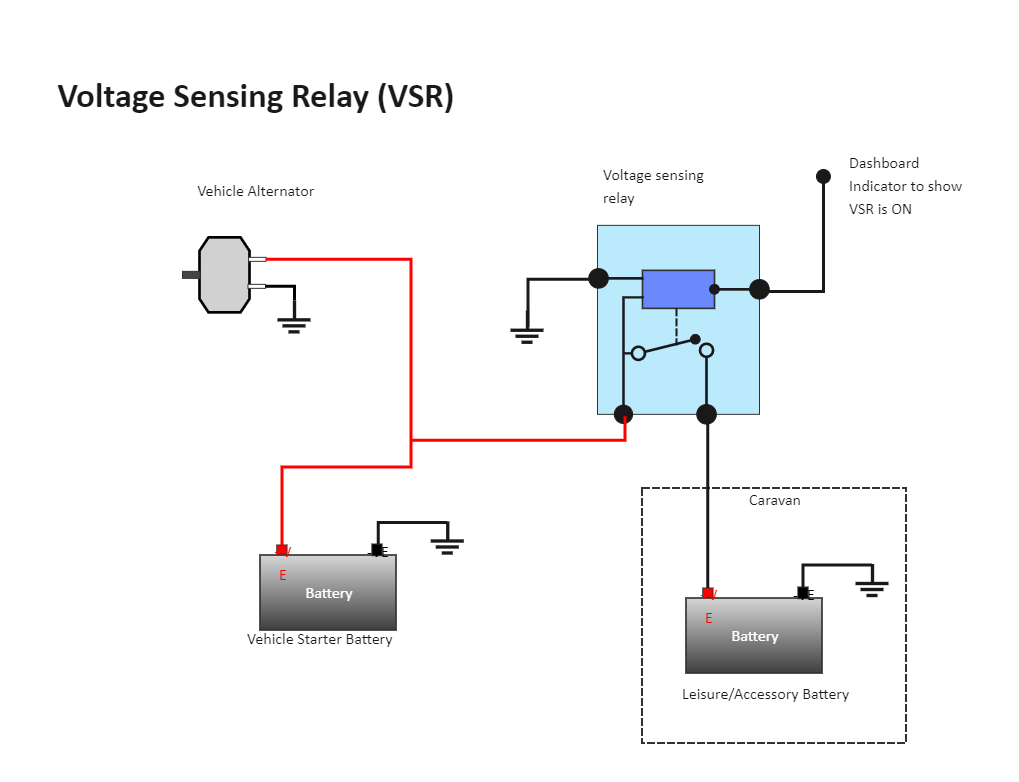
Alright, let's dive into the world of Ford 4-pole starter solenoids. If you're anything like me, you appreciate understanding how things work, especially when it comes to your car. Whether you're tackling a repair, diagnosing a starting issue, or even upgrading your ride, knowing your way around a starter solenoid – and specifically the wiring diagram – is crucial. We're going to break down the Ford 4-pole setup, making it clear and approachable, even if you're not an electrical engineer.
Why This Diagram Matters
Why bother understanding the wiring diagram? Simple: accurate diagnostics and repairs. A malfunctioning starter system is a common problem, and blindly replacing parts is both expensive and frustrating. With the wiring diagram, you can systematically troubleshoot the issue, pinpoint the faulty component, and fix it right the first time. It’s also invaluable for modifications. Adding aftermarket accessories or upgrading your starting system requires a solid understanding of the existing wiring.
Key Specs and Main Parts
Let's start with the fundamentals. The Ford 4-pole starter solenoid is an electromagnetic switch. It's designed to handle the high current required to crank your engine. Unlike some simpler solenoids, the 4-pole version often incorporates features related to the ignition system, providing additional functionality.
Here's a breakdown of the key components:
- Solenoid Body: The main housing containing the electromagnetic coil and internal contacts.
- "S" Terminal (Start): This terminal receives the signal from the ignition switch when you turn the key to the "start" position. It energizes the solenoid's coil.
- "I" Terminal (Ignition): This terminal provides a 12V power boost to the ignition system during cranking. This helps overcome the voltage drop caused by the starter motor drawing significant current. Older points-type ignition systems relied on this heavily.
- Battery Terminal (Large): Connected directly to the positive (+) terminal of the battery. This carries the heavy current used to power the starter motor.
- Starter Motor Terminal (Large): Connected directly to the starter motor. This is where the high current flows *to* the starter motor when the solenoid is activated.
Symbols – Decoding the Diagram
Understanding the symbols in the wiring diagram is like learning a new language. Here are the most common elements you'll encounter:
- Solid Lines: Represent wires. The thickness of the line *may* indicate the gauge (thickness) of the wire, but this isn't always consistent across all diagrams. Usually, thicker lines carry more current.
- Dashed Lines: May represent ground connections or, sometimes, control signals of lower importance. Always check the diagram's legend!
- Circles: Often indicate a connector or a splice point where multiple wires join.
- Rectangles: Usually represent components like the ignition switch, the solenoid itself, or relays.
- Battery Symbol: The familiar symbol depicting a battery with positive (+) and negative (-) terminals.
- Starter Motor Symbol: A stylized representation of the starter motor.
- Colors: Wire colors are crucial! They’re typically abbreviated (e.g., "RED," "BLU," "GRN"). Always double-check wire colors when troubleshooting. Using the wrong color wire can lead to electrical problems.
Example: A solid RED line from the battery symbol to the Battery Terminal on the solenoid indicates a red wire connecting the battery positive terminal to the solenoid's battery input.
How It Works
Here's the sequence of events when you turn the key to start your Ford:
- Ignition Switch Activation: When you turn the key to the "start" position, the ignition switch sends a 12V signal to the "S" terminal on the starter solenoid.
- Solenoid Coil Energized: This signal energizes the solenoid's internal electromagnetic coil.
- Plunger Activation: The energized coil creates a magnetic field that pulls in a plunger (a movable core within the solenoid).
- Contact Closure: The plunger movement closes the heavy-duty contacts inside the solenoid, connecting the Battery Terminal to the Starter Motor Terminal.
- Starter Motor Engagement: With the circuit completed, high-current electricity flows from the battery, through the solenoid, and to the starter motor. The starter motor then spins the engine's flywheel, initiating the combustion process.
- Ignition Boost (I Terminal): Simultaneously, the "I" terminal receives power only during cranking. This is a full 12V. This provides a "boost" to the ignition system, ensuring a strong spark even when the battery voltage is temporarily reduced due to the starter motor drawing high current. This is crucial for older vehicles with points-based ignition systems, as it compensates for the voltage drop across the ballast resistor during starting.
- Key Release: Once the engine starts and you release the key, the signal to the "S" terminal is removed, the solenoid de-energizes, the contacts open, and the starter motor disengages. The "I" terminal also de-energizes.
Real-World Use – Basic Troubleshooting
Okay, your car won't start. Let's use the wiring diagram to guide our troubleshooting:
- No Click, No Crank:
- Check the battery voltage! A dead or weak battery is the most common culprit.
- Verify the connection to the "S" terminal. Use a multimeter to see if you're getting 12V when the key is in the "start" position. If not, the problem likely lies in the ignition switch or the wiring between the switch and the solenoid.
- Check the solenoid ground. A poor ground connection can prevent the solenoid from energizing.
- Test the solenoid itself. You can bypass the ignition switch by carefully jumping the "S" terminal directly to the battery positive terminal. If the starter motor engages, the solenoid is likely good, and the issue is upstream (ignition switch, wiring). If nothing happens, the solenoid is probably faulty.
- Click, No Crank:
- This usually indicates that the solenoid is engaging (the "click" sound) but the contacts aren't making a good connection, preventing the high current from reaching the starter motor.
- Check the connections to the Battery Terminal and Starter Motor Terminal on the solenoid. Ensure they are clean and tight. Corrosion can cause a high-resistance connection.
- The starter motor itself might be failing.
- Starter Stays Engaged (Grinding Noise):
- This is often a sign of a faulty solenoid with sticking contacts. The solenoid isn't releasing even after you release the key.
- Replace the solenoid immediately. Continued engagement can damage the starter motor and flywheel.
Safety – Handle with Care!
Working with electrical systems can be dangerous. Here are a few critical safety precautions:
- Disconnect the Negative Battery Cable: Always disconnect the negative (-) battery cable before working on any electrical components. This prevents accidental shorts and potential electrical shocks.
- Work in a Well-Ventilated Area: Batteries can produce hydrogen gas, which is flammable.
- Use Proper Tools: Use insulated tools to avoid short circuits.
- Beware of High Current: The starter motor circuit carries very high current. A short circuit can cause severe burns and damage to your vehicle.
- If you're unsure, seek professional help. Electrical systems can be complex, and it's better to be safe than sorry.
The starter solenoid is a critical component, but understanding its wiring and operation makes troubleshooting much easier. Remember to always prioritize safety, and don't hesitate to consult a professional if you're uncomfortable with any aspect of the repair.
Now that you are well versed in the details of the Ford 4-Pole Starter Solenoid Wiring Diagram, you can now download a copy of this diagram from the link below. Keep it handy for future repairs and reference!