
Ford F150 4.6 Serpentine Belt Diagram
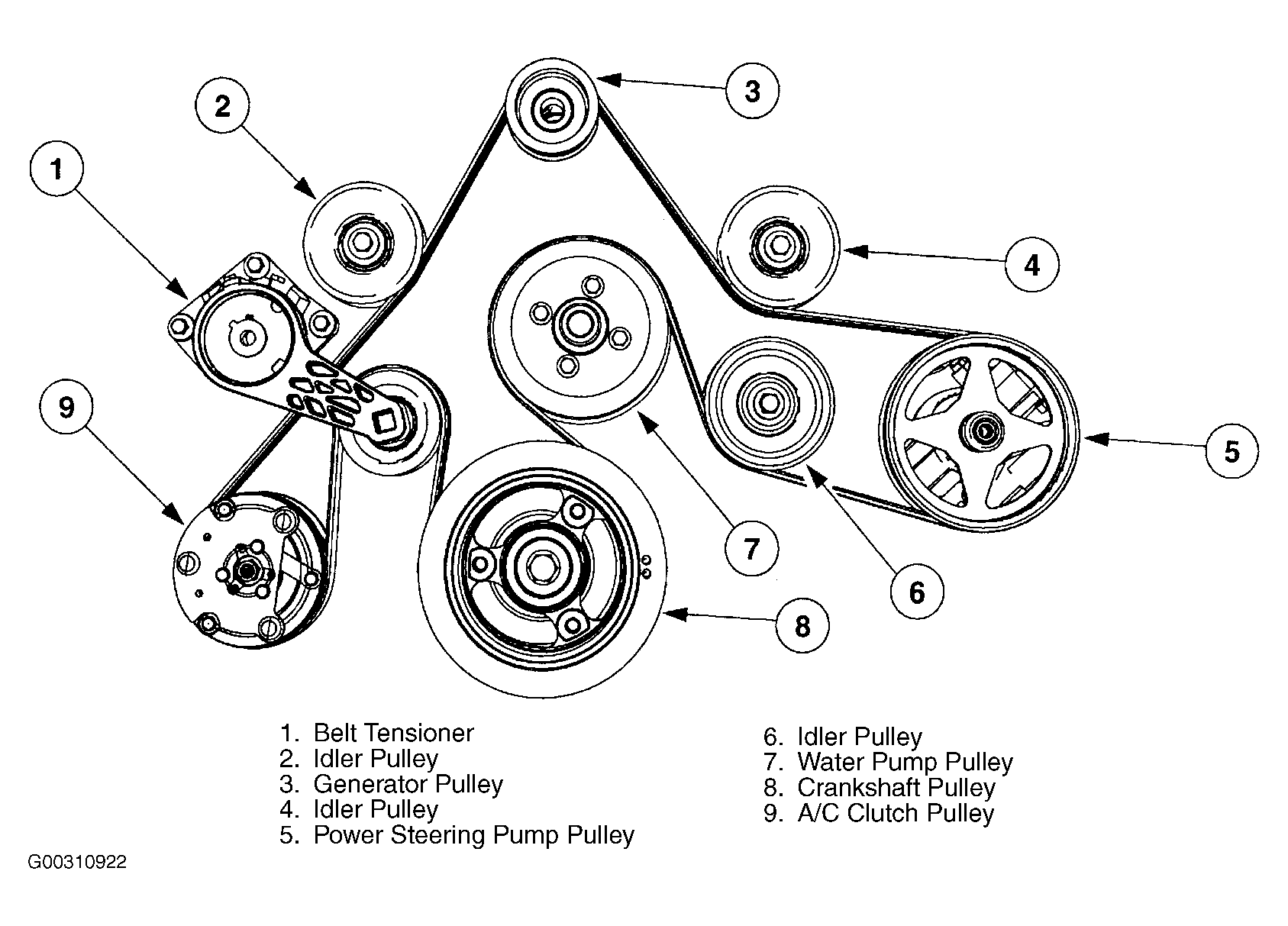
Alright, let's dive into the serpentine belt diagram for your Ford F-150 with the 4.6L engine. This diagram is absolutely crucial, whether you're planning a simple belt replacement, diagnosing a squealing noise, or just aiming to understand the inner workings of your truck's accessory drive system. Think of it as a roadmap for the belt's journey around various components. Having a clear understanding of it saves you time, prevents mistakes, and can potentially save you a hefty repair bill at the mechanic.
Purpose of the Serpentine Belt Diagram
The serpentine belt diagram serves several critical purposes:
- Repair and Replacement: The primary reason to consult the diagram is during belt replacement. It shows the correct routing to ensure the belt engages all pulleys properly. Incorrect routing can lead to component failure or even belt breakage.
- Troubleshooting: A faulty component, like a seized pulley, can damage the belt. The diagram helps you visualize the system and isolate potential culprits.
- Educational: Even if your belt is fine, studying the diagram provides valuable insight into how the engine powers various accessories, increasing your overall automotive knowledge.
- Preventative Maintenance: Regular inspection using the diagram ensures everything is in its proper place. You can check for signs of misalignment or wear that could indicate future problems.
Key Specs and Main Parts
Before we dissect the diagram itself, let's identify the key components in the serpentine belt system of a 4.6L Ford F-150. Understanding what each component does is paramount to interpreting the diagram correctly.
Main Components:
- Crankshaft Pulley (or Damper): This pulley, driven directly by the engine's crankshaft, is the driving force behind the entire system.
- Alternator Pulley: The alternator generates electrical power for the vehicle. The serpentine belt spins its pulley to drive the alternator.
- Power Steering Pump Pulley: The power steering pump provides hydraulic assistance for steering. Its pulley is driven by the serpentine belt.
- Air Conditioning Compressor Pulley: The A/C compressor circulates refrigerant to cool the cabin. Its pulley is driven by the serpentine belt (only when the A/C is engaged via the compressor clutch).
- Idler Pulley(s): These pulleys are smooth and do not drive any specific component. They guide the belt and maintain proper tension. The 4.6L F-150 often has one or more idler pulleys.
- Tensioner Pulley: This pulley is spring-loaded and automatically maintains the correct tension on the serpentine belt. It's crucial for proper belt function and longevity. A failing tensioner can cause belt squeal or even belt slippage.
- Water Pump Pulley: In some (but not all) 4.6L F-150 configurations, the water pump is driven by the serpentine belt. The water pump circulates coolant to regulate engine temperature.
Key Specs:
While the diagram doesn't usually list specific dimensions, knowing the correct belt length is vital for ordering a replacement. The belt length will vary slightly depending on whether or not your truck has A/C and other factors. Always confirm the correct part number and specifications using your VIN or the vehicle's manufacturer label. Using the wrong belt length will cause problems.
Decoding the Serpentine Belt Diagram
A typical serpentine belt diagram, looks simple, but understanding the nuances makes it far more useful. Let's break down the common symbols and conventions:
- Solid Lines: These represent the path of the serpentine belt. The width of the line is not usually indicative of anything, but it clearly shows the belt's routing.
- Arrows: Arrows indicate the direction of belt travel. Follow the arrows carefully to ensure you understand how the belt wraps around each pulley.
- Circles: Circles represent the pulleys themselves. Inside each circle, you'll usually find a label indicating which component the pulley belongs to (e.g., "ALT" for alternator, "P/S" for power steering).
- Texture/Shading: Some diagrams use shading or texture (like cross-hatching) on pulleys to distinguish them visually. This is especially helpful when pulleys are clustered closely together.
- Abbreviations: Diagrams rely heavily on abbreviations to save space. Familiarize yourself with common abbreviations like ALT (alternator), P/S (power steering), A/C (air conditioning), CMP (compressor), IDL (idler), and TEN (tensioner).
How It Works
The serpentine belt system is elegantly simple. The crankshaft pulley, driven by the engine, acts as the primary driver. As it rotates, it imparts motion to the serpentine belt, which wraps around and drives all the other accessory pulleys. The tensioner pulley ensures that the belt maintains proper tension, preventing slippage and maximizing efficiency. The idler pulleys simply guide the belt, optimizing its path and preventing interference with other engine components.
The key to the system's effectiveness is proper belt tension. Too little tension will cause the belt to slip, leading to reduced performance from the accessories and a characteristic squealing noise. Too much tension can overload the bearings in the accessory components, leading to premature failure. The tensioner is designed to compensate for belt stretch and wear, but it has its limits.
Real-World Use and Troubleshooting
Let's say you're experiencing a squealing noise coming from the front of your engine. Here's how the serpentine belt diagram can help you troubleshoot:
- Visual Inspection: Using the diagram as a guide, visually inspect the belt for cracks, fraying, or missing chunks. Look for signs of misalignment or damage to the pulleys.
- Pulley Spin Test: With the engine off, try spinning each pulley by hand. They should rotate smoothly and quietly. A rough or noisy pulley may indicate a failing bearing. A pulley that's difficult to turn could be seized, placing undue stress on the belt.
- Tensioner Check: Observe the tensioner pulley. It should move smoothly within its range of travel. Excessive movement or bouncing can indicate a weak tensioner spring.
- Belt Alignment: Use a straightedge to check the alignment of the pulleys. Misalignment can cause the belt to wear prematurely and squeal.
Common symptoms related to the serpentine belt system include:
- Squealing Noise: Often caused by a loose or worn belt, a glazed pulley, or a failing tensioner.
- Battery Light: If the alternator pulley isn't turning properly due to belt slippage, the alternator won't generate enough power, triggering the battery light.
- Loss of Power Steering: A slipping or broken belt can prevent the power steering pump from functioning.
- Overheating: If the water pump is driven by the serpentine belt, a failure in the belt system can lead to overheating.
- A/C Not Working: Similar to power steering, a belt issue can prevent the A/C compressor from engaging.
Safety Considerations
Working on the serpentine belt system involves several safety hazards:
- Moving Parts: Never work on the serpentine belt system with the engine running. Severe injury or even death can result from contact with the rotating belt and pulleys.
- Hot Surfaces: The engine and exhaust components can be extremely hot, even after the engine has been off for a while. Wear gloves and use caution to avoid burns.
- Spring Tension: The tensioner pulley is spring-loaded and can snap back with considerable force. Always use the proper tools to relieve tension before removing the belt.
- Eye Protection: Wear safety glasses to protect your eyes from debris.
Always disconnect the negative battery cable before working on the serpentine belt system. This will prevent accidental starting of the engine and reduce the risk of electrical shock.
Remember that replacing the serpentine belt is usually a straightforward job, but taking your time and paying attention to detail is essential for a successful outcome. Never hesitate to consult a qualified mechanic if you're unsure about any aspect of the repair.
We have the serpentine belt diagram available for download. This detailed diagram will provide a clear visual representation of the belt routing for your specific 4.6L F-150 configuration. Having it on hand will greatly assist you in any serpentine belt related work.