
Ford F350 Trailer Plug Wiring Diagram
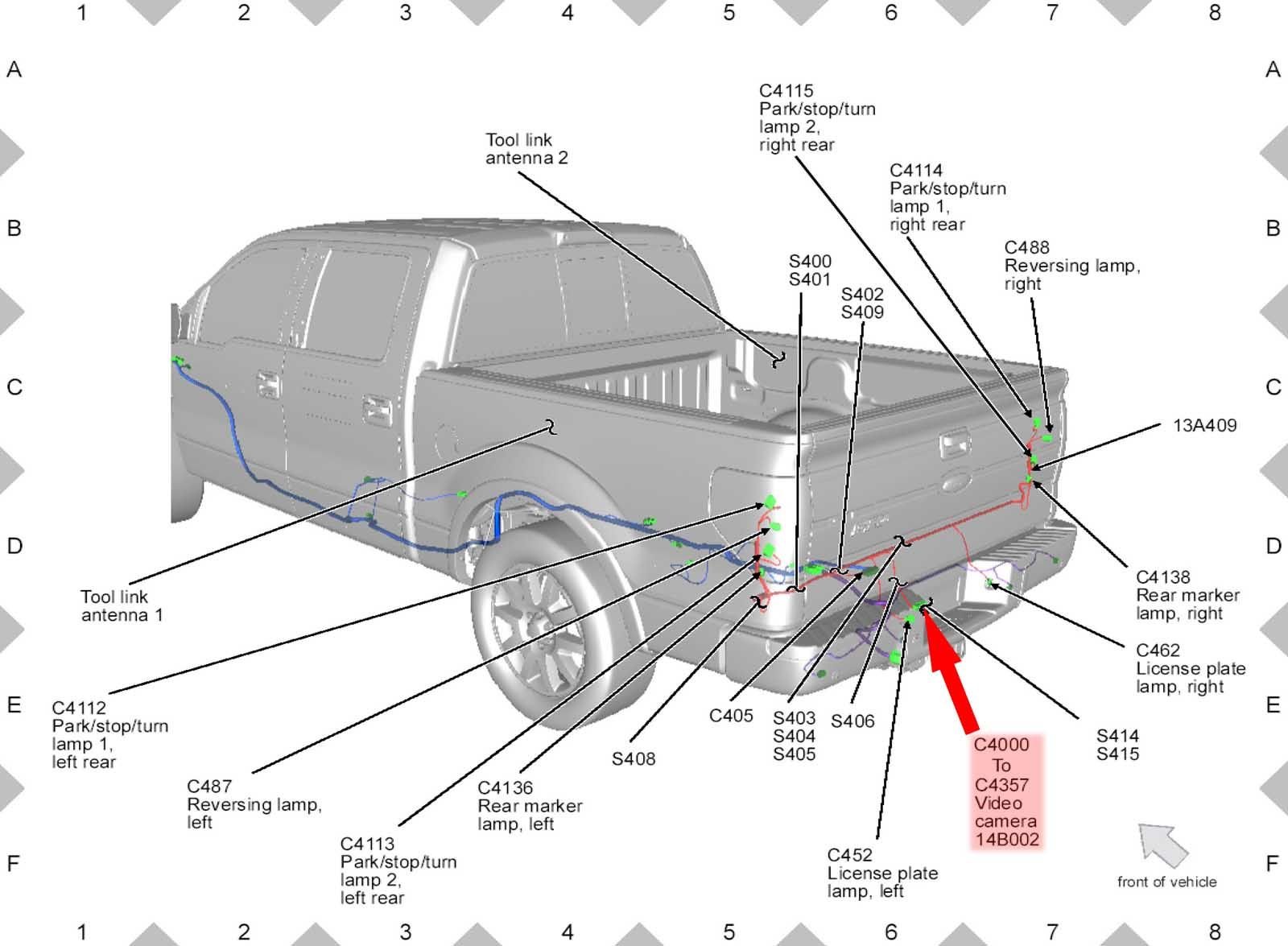
The Ford F350 is a workhorse, and a critical part of its functionality is its ability to tow. A reliable trailer connection is paramount for safe and legal towing. This article delves into the intricacies of the F350 trailer plug wiring diagram, providing you, the experienced DIYer, with the knowledge to diagnose, repair, and even upgrade your trailer connection. We'll break down the diagram, explain its key components, and offer practical troubleshooting tips.
Why This Diagram Matters
Understanding your F350's trailer plug wiring diagram is crucial for several reasons:
- Repairs: Trailer lights not working? Brake controller acting up? The diagram is your roadmap to finding the fault.
- Troubleshooting: Quickly identify which wire controls which function, streamlining your diagnostic process.
- Upgrades and Modifications: Adding auxiliary power, different trailer brake controllers, or even customizing your trailer lighting requires a thorough understanding of the wiring.
- Safety: Faulty trailer wiring is a serious safety hazard, potentially leading to brake failure or electrical fires. Correct wiring ensures your trailer lights and brakes function correctly.
- Preventing Electrical Problems: Identify corrosion or damaged wiring that can lead to bigger problems down the road.
Key Specs and Main Parts of the F350 Trailer Plug
The Ford F350 typically uses a 7-way blade-style connector (also known as a 7-pin connector) for its trailer plug. This connector provides circuits for all essential trailer functions. While pin assignments can vary slightly between model years, the standard configuration is generally consistent. Here's a breakdown:
- 7-Way Blade Connector: This is the physical connector on your truck's bumper or hitch receiver. It features seven flat blade terminals.
- Wire Gauges: Wire gauges vary depending on the amperage requirements of each circuit. Common gauges include 10-gauge (for battery charge and electric brakes), 12-gauge (for auxiliary power), and 14 or 16-gauge (for lights). Consult your specific F350's wiring diagram for accurate wire gauge information.
- Ground Wire: A heavy-gauge white wire, typically connected to the frame of the truck and the trailer. A solid ground is essential for all circuits to function correctly.
- Tail Lights Wire: Usually a brown wire, powers the trailer's running lights.
- Left Turn/Brake Wire: Typically a yellow wire, provides power to the left turn signal and brake light on the trailer.
- Right Turn/Brake Wire: Usually a green wire, provides power to the right turn signal and brake light on the trailer.
- Electric Brake Wire: Typically a blue wire, connects to the trailer's electric brake controller. The voltage on this wire is proportional to the braking force applied in the tow vehicle.
- Reverse Lights Wire: Usually a black wire (sometimes purple), powers the trailer's reverse lights.
- Auxiliary Power Wire: Usually a red or orange wire, provides a 12V power source to the trailer for charging a trailer battery or powering interior lights. It's crucial to understand the amperage rating for this circuit and avoid overloading it.
Decoding the Wiring Diagram: Symbols and Conventions
Wiring diagrams can seem intimidating at first, but understanding the common symbols will unlock their secrets.
- Lines: Solid lines represent wires. Dashed lines may indicate shielded wires or wires that are optional or only present in certain configurations.
- Colors: Each wire is identified by a color code (e.g., WH for white, BK for black, BN for brown, YL for yellow, GN for green, BL for blue, RD for red). Always verify color codes with your specific diagram as variations can exist.
- Connectors: Represented by circles, squares, or other geometric shapes, often labeled with a connector number or code for easy identification.
- Ground Symbol: A symbol resembling an inverted pyramid or a series of stacked horizontal lines. This indicates the grounding point for a circuit.
- Fuses and Circuit Breakers: Represented by a squiggly line within a rectangle or circle. These protect the circuits from overcurrent. The diagram will usually indicate the amperage rating of each fuse or breaker.
- Splices: Marked as dots or small circles where wires connect together.
Understanding these symbols allows you to trace the flow of electricity through the trailer wiring system and identify potential problems.
How It Works: The Flow of Electricity
The trailer plug provides a pathway for electrical signals from the tow vehicle to the trailer. When you activate a function in the truck (e.g., turn signal, brake pedal), the corresponding signal is sent through the appropriate wire in the trailer plug to the trailer. The trailer wiring then directs the electricity to the corresponding light or device.
For example, when you press the brake pedal, a signal is sent through the blue wire (electric brake wire) to the trailer's electric brake controller. The brake controller then applies voltage to the trailer's electric brakes, slowing the trailer down. The intensity of the voltage is controlled by the truck's brake controller, allowing for proportional braking.
The ground wire is crucial for completing the electrical circuit. Without a good ground connection, the circuits will not function correctly.
Real-World Use: Basic Troubleshooting Tips
Here are a few common trailer wiring issues and troubleshooting steps:
- No Lights: Check the ground connection first. A poor ground is the most common cause of trailer light problems. Use a multimeter to test for continuity between the trailer frame and the truck's frame. Also check fuses in the truck that control trailer lighting.
- One Light Not Working: Inspect the bulb first. If the bulb is good, check the wiring to that specific light, looking for breaks or corrosion. Use the wiring diagram to trace the circuit back to the trailer plug.
- Brakes Not Working: Check the electric brake controller in the truck. Ensure it is properly adjusted and that the brake controller signal is reaching the blue wire at the trailer plug. Check the trailer's brake magnets for damage.
- Fuses Keep Blowing: This indicates a short circuit. Inspect the wiring for any exposed wires or damaged insulation. The wiring diagram will help you isolate the short to a specific circuit.
- Corrosion: Clean the trailer plug connections regularly with electrical contact cleaner. Apply dielectric grease to protect the connections from moisture and corrosion.
Always use a multimeter to test for voltage and continuity when troubleshooting electrical problems. Be sure to disconnect the battery before working on the electrical system to prevent accidental shocks or damage.
Safety Considerations
Working with electrical systems can be dangerous. Here are some key safety precautions:
- Disconnect the Battery: Always disconnect the negative battery cable before working on the electrical system. This prevents accidental shorts and shocks.
- Use Proper Tools: Use insulated tools designed for electrical work.
- Work in a Dry Area: Avoid working on the electrical system in wet or damp conditions.
- Fuses and Circuit Breakers: Never replace a fuse with one of a higher amperage rating. This can overload the circuit and cause a fire.
- Brake Controller Wiring: The brake controller wiring is particularly sensitive. Follow the manufacturer's instructions carefully when installing or troubleshooting a brake controller. Improper wiring can result in brake failure.
- High Amperage Circuits: Be especially careful when working with the auxiliary power (charging) circuit. This circuit can carry a high amperage, and a short circuit can cause significant damage or injury.
Remember, if you are not comfortable working with electrical systems, it is best to consult a qualified mechanic.
Now that you're armed with this knowledge, you are better equipped to understand and troubleshoot your F350's trailer wiring. Don't hesitate to consult your specific vehicle's repair manual for detailed wiring diagrams and component locations. With patience and a systematic approach, you can keep your trailer connected and your hauls safe and successful. We have the file containing the detailed F350 trailer plug wiring diagram available for you. Please reach out, and we'll be happy to share it with you.