
Ford Model A Front Suspension Diagram
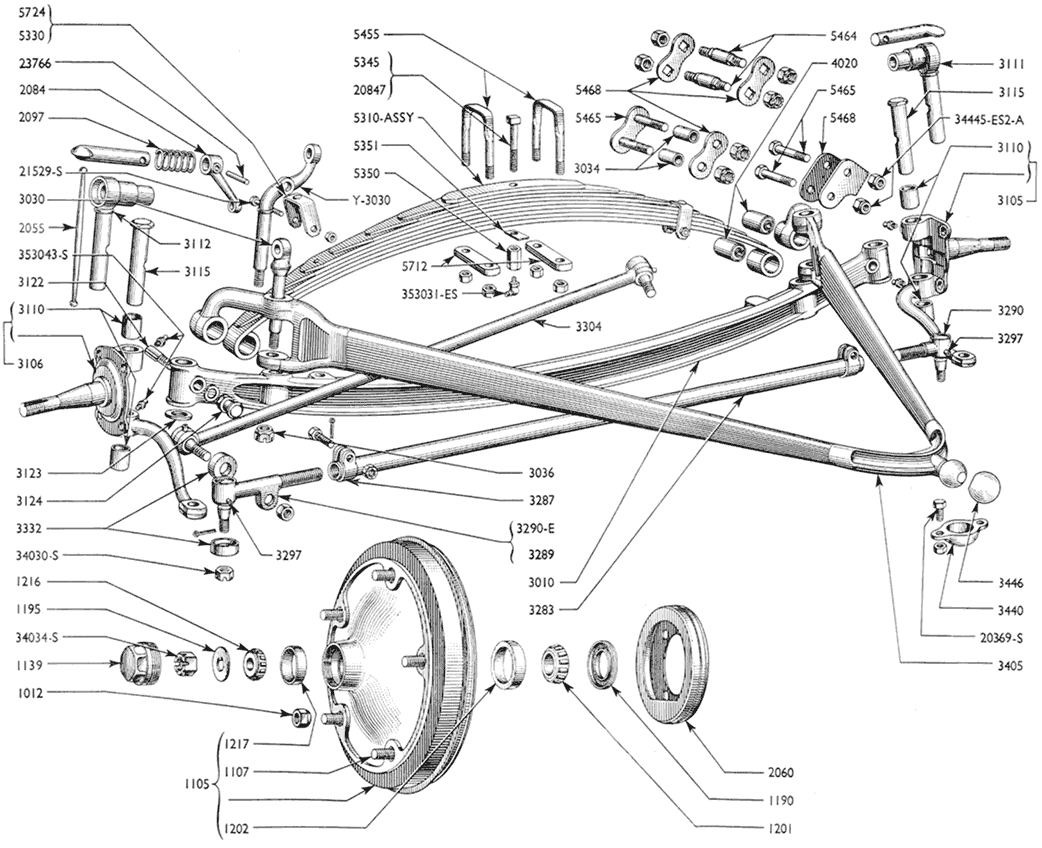
So, you're tackling the front suspension on your Ford Model A? Excellent! Knowing your way around this classic's front end is crucial for maintaining that smooth (well, relatively smooth!) ride, ensuring safe handling, and keeping her authentic. This article breaks down the Ford Model A front suspension diagram, explaining everything you need to know to understand, diagnose, and potentially repair this vital system. We'll cover the key components, how they work, and even some basic troubleshooting. Think of this as your cheat sheet to Model A front suspension success.
Purpose of Understanding the Diagram
Why bother with a diagram? Well, for a few critical reasons:
- Repairs and Maintenance: The diagram is your roadmap. It shows you where everything *should* be, making it easier to identify missing parts, worn components, or incorrect assemblies. Need to replace a kingpin? The diagram shows you its location and associated hardware.
- Troubleshooting: A visual reference helps you connect symptoms (like wandering steering or excessive bouncing) to potential causes. Knowing the system's design allows you to logically trace the issue.
- Modification and Restoration: Maybe you're upgrading to juice brakes or rebuilding the entire front end. The diagram gives you the baseline for any modifications and ensures proper reassembly during restoration projects.
- Knowledge is Power: Understanding the mechanics of your Model A is just plain cool. It deepens your appreciation for this iconic vehicle.
Key Specs and Main Parts
The Model A front suspension is a relatively simple, yet robust, design. It's a transverse leaf spring system, which means the spring runs horizontally across the car. Here are the key parts you'll encounter in the diagram:
- Transverse Leaf Spring: This is the heart of the system. It's a multi-leaf spring that provides the primary suspension support. Look for its central mounting point on the frame and the shackles connecting it to the axle.
- Front Axle: A solid I-beam axle connects the wheels. This rugged piece distributes the car's weight and transmits forces to the wheels. The diagram clearly shows its shape and the location of the kingpins.
- Kingpins: These critical pins allow the wheels to pivot for steering. They connect the spindles (which hold the wheels) to the front axle. The diagram will illustrate how they are secured and lubricated. Proper kingpin lubrication is essential for smooth steering and preventing wear.
- Spindles (Steering Knuckles): These hold the wheel bearings and brake drums (or rotors if you've upgraded). They rotate on the kingpins, allowing the car to steer.
- Tie Rod: Connects the steering arm on one spindle to the steering arm on the other spindle, ensuring the wheels turn in unison.
- Drag Link: Connects the steering box (or pitman arm) to one of the steering arms. This translates the steering wheel's rotation into movement of the front wheels.
- Spring Shackles: Connect the ends of the transverse spring to the front axle. They allow the spring to flex and absorb bumps.
- Wishbone (Split Wishbone): These radius rods control the axle's fore-aft movement and prevent axle wrap under braking and acceleration. Some diagrams will show original wishbones, while others might depict modified split wishbones for improved handling.
Understanding Diagram Symbols
Ford Model A front suspension diagrams are generally straightforward, but knowing the basics of technical drawings helps. Here's a breakdown of common symbols:
- Solid Lines: Typically represent visible components or outlines.
- Dashed Lines: Usually indicate hidden components, such as internal parts within the steering box or parts located behind other components.
- Centerlines: Thin, long-dashed lines with a short dash in the middle indicate the center of a component or a symmetrical axis.
- Dimension Lines: Lines with arrowheads at both ends, indicating the measurement of a specific part or distance. These are less common in basic diagrams but crucial for precise work.
- Hatching (Cross-hatching): Indicates a sectioned view of a component, revealing its internal structure. You might see this in detailed diagrams of the kingpin assembly.
- Fastener Symbols: Various symbols represent bolts, nuts, washers, and cotter pins. These are usually standardized but can vary slightly between diagrams.
- Arrows: Indicate the direction of movement or force.
Color is rarely used in original Model A diagrams, but modern recreations or exploded views might employ color to differentiate parts. A color key would then be provided.
How the Front Suspension Works
The Model A front suspension operates on a simple principle: absorbing and dampening road shocks to provide a more comfortable ride and maintain tire contact with the road. Here's the breakdown:
- Impact: When a wheel encounters a bump, the force is transmitted up through the spindle and into the front axle.
- Spring Flex: The front axle then transfers the force to the transverse leaf spring. The spring bends (flexes) to absorb the impact energy.
- Shackle Movement: The shackles allow the ends of the spring to move as it flexes, accommodating the change in length.
- Dampening (Limited): The Model A lacks modern shock absorbers. Some early models had friction dampeners, but these are often removed or replaced. The leaf spring itself provides some inherent dampening due to inter-leaf friction, but it's minimal. This is why Model A's have a reputation for a bouncy ride.
- Steering: When you turn the steering wheel, the steering box transmits the rotational force to the drag link. The drag link pushes or pulls on the steering arm connected to one of the spindles. This movement rotates the spindle on the kingpin, turning the wheel. The tie rod ensures the other wheel turns in the correct direction and amount.
Real-World Use: Basic Troubleshooting
Here are a few common Model A front suspension problems and how the diagram can help:
- Wandering Steering: This could be caused by worn kingpins, loose tie rod ends, or a worn steering box. The diagram shows you the location of these components, allowing you to visually inspect them for excessive play. Look for signs of wear, such as excessive movement or looseness.
- Excessive Bouncing: Usually due to a worn or broken leaf spring. Check the spring for cracks, broken leaves, or signs of sagging. The diagram confirms the proper spring configuration. Replacement may be needed.
- Clunking Noise: Could be loose shackles, worn shackle bushings, or a loose kingpin. Use the diagram to locate these points and check for tightness.
- Uneven Tire Wear: Often indicates misaligned front end. The diagram helps visualize the relationship between the axle, spindles, and steering components. Getting a proper alignment is crucial.
Important: Remember to always jack up the car safely and use jack stands before working under it.
Safety Considerations
The front suspension is a critical safety system. Neglecting it can lead to dangerous situations. Pay special attention to these areas:
- Kingpins: Worn kingpins are a major safety hazard. They can cause unpredictable steering and even complete loss of control. Regularly inspect and lubricate them. Replace them if they show any signs of wear or looseness.
- Leaf Spring: A broken leaf spring can cause the car to handle poorly and even drop to the ground. Carefully inspect the spring for cracks or damage.
- Steering Linkage: Loose or worn tie rod ends and drag links can cause excessive play in the steering, making it difficult to control the car. Regularly inspect these components and replace them if necessary.
- Brakes: While not strictly part of the suspension, the brakes are mounted on the spindles. Ensure they are in good working order. Consider upgrading to hydraulic brakes for improved stopping power.
Working on suspension components can be dangerous due to the stored energy in the spring. If you are not comfortable working on these components, it's best to consult a qualified mechanic.
We have a detailed front suspension diagram available for download. It includes exploded views and specific dimensions to assist you in your repair or restoration project. Armed with this diagram and a basic understanding of the system, you'll be well-equipped to tackle your Ford Model A front suspension with confidence.