
Ford Ranger 3.0 Serpentine Belt Diagram
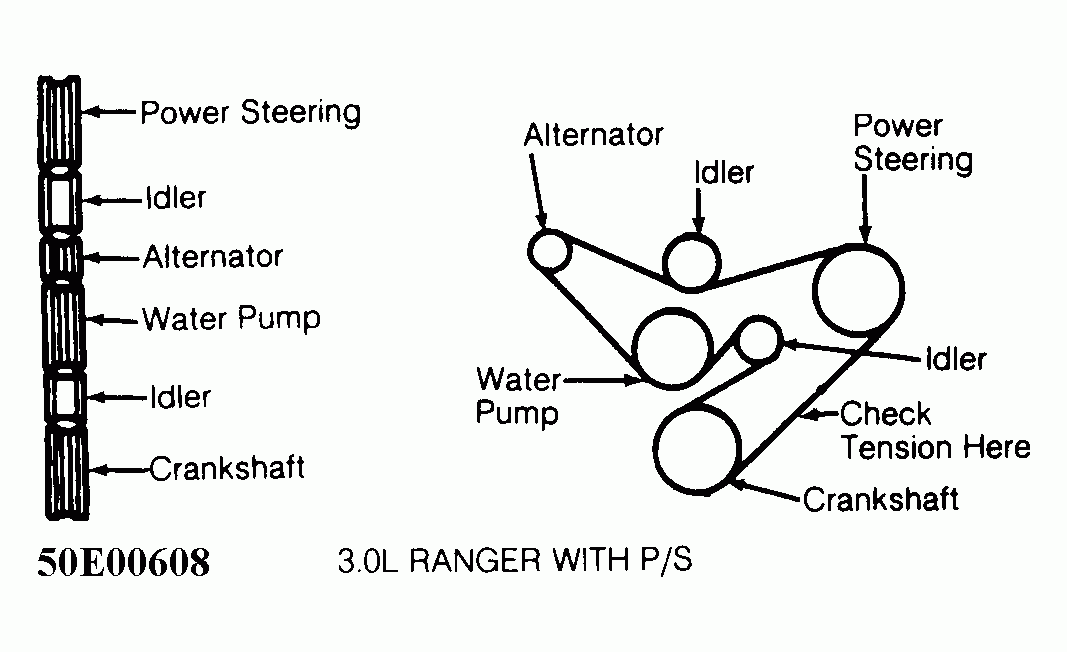
So, you're tackling a serpentine belt issue on your Ford Ranger with the 3.0 Vulcan engine? Excellent choice! This engine, while known for its reliability, eventually needs some TLC, and the serpentine belt is a prime maintenance item. Knowing the correct belt routing and the function of each component in the system is crucial for a successful repair, preventing future problems, and even just gaining a better understanding of your truck.
Why a Serpentine Belt Diagram Matters
Think of the serpentine belt diagram as the Rosetta Stone of your engine's accessory drive. It's absolutely essential for several reasons:
- Correct Belt Installation: Misrouting the belt is incredibly common and can lead to component failure. The diagram ensures the belt travels the correct path around each pulley, providing proper tension and function.
- Troubleshooting: A worn or damaged belt can cause squealing, loss of power steering, A/C failure, and even charging issues. The diagram helps you identify which component might be causing the problem based on how the belt is routed.
- Preventative Maintenance: Familiarity with the belt's routing allows you to quickly inspect it for wear, cracks, or glazing, preventing a catastrophic failure on the road.
- Learning and Understanding: Even if you don't plan on replacing the belt yourself, understanding how the system works deepens your knowledge of your vehicle.
- Component Identification: The diagram shows you the location and names of the various pulleys and accessories driven by the belt.
Key Specs and Main Parts
Let's break down the crucial components and specs for your 3.0 Vulcan Ranger's serpentine belt system:
Main Components:
- Crankshaft Pulley: The heart of the system. It receives power directly from the engine and drives the serpentine belt.
- Alternator: Generates electricity to power the vehicle's electrical system and charge the battery.
- Power Steering Pump: Provides hydraulic assistance for steering, making it easier to turn the wheel.
- Air Conditioning Compressor: Compresses refrigerant to cool the cabin air.
- Idler Pulley(s): Smooth, non-driven pulleys used to guide the belt and maintain proper tension. The 3.0 Vulcan usually has at least one idler.
- Tensioner Pulley: A spring-loaded pulley that automatically maintains the correct tension on the serpentine belt. This is a critical component!
Key Specs:
- Belt Length: The specific length of the serpentine belt. This varies depending on whether your Ranger has A/C or not, and possibly other options. You'll want to verify the exact part number for your specific vehicle based on the VIN. Using the wrong length will result in either insufficient tension or inability to install the belt.
- Belt Type: Serpentine belts are typically made of a reinforced rubber compound. Using a high-quality belt from a reputable manufacturer is crucial for longevity and performance.
Decoding the Diagram: Symbols and Lines
A typical serpentine belt diagram might seem cryptic at first, but it's quite straightforward once you understand the symbology:
- Solid Lines: Represent the path of the serpentine belt. Follow these lines precisely!
- Arrows: Indicate the direction of rotation for each pulley. This is essential for understanding how the belt "grips" each component.
- Circles or Ovals: Represent the pulleys. The diagram will typically label each pulley (e.g., ALT for Alternator, P/S for Power Steering).
- Text Labels: Clearly identify each component (e.g., "Tensioner," "Idler").
- Special Symbols: Some diagrams might use specific symbols to indicate the ribbed side versus the smooth side of the belt. Typically, the ribbed side makes contact with the driven accessories (alternator, A/C compressor, power steering pump), while the smooth side contacts the idler and tensioner pulleys.
- Color Coding (Less Common): In some diagrams, different colors might be used to highlight specific sections of the belt path or different types of pulleys.
How It Works: The Serpentine System
The serpentine belt system is an ingenious way to drive multiple accessories from a single power source (the crankshaft). Here's the basic principle:
- The engine's crankshaft rotates, turning the crankshaft pulley.
- The serpentine belt, wrapped tightly around the crankshaft pulley and other accessory pulleys, transmits this rotational force.
- As the crankshaft pulley turns, it drives the other accessories (alternator, power steering pump, A/C compressor) simultaneously.
- The tensioner pulley, kept under spring tension, ensures the belt remains tight enough to prevent slippage and maintain proper operation of all accessories.
- Idler pulleys guide the belt along the optimal path, maximizing contact with the driven pulleys.
The tensioner pulley is especially important. As the belt stretches over time or due to temperature changes, the tensioner automatically adjusts, maintaining consistent tension. A failing tensioner can cause belt slippage, noise, and premature belt wear.
Real-World Use: Troubleshooting Tips
Let's say you're experiencing a squealing noise from your engine, especially when you turn the steering wheel or turn on the A/C. Here's how the serpentine belt diagram can help:
- Visual Inspection: Use the diagram to visually inspect the belt for cracks, fraying, missing ribs, or signs of glazing (a shiny, hardened surface).
- Check Pulley Alignment: Ensure all pulleys are properly aligned. A misaligned pulley can cause the belt to rub against the edges of the pulley, leading to wear and noise.
- Tensioner Check: Observe the tensioner pulley. Is it bouncing excessively? Is the tensioner arm near the end of its travel? These are signs of a worn tensioner.
- Listen Carefully: Try to pinpoint the source of the noise. If the noise seems to be coming from a specific pulley (e.g., the alternator), that component might be failing and causing the belt to slip.
- Belt Dressing (Use Sparingly): As a very temporary fix, you can apply belt dressing to the belt. However, this is usually a sign that the belt or tensioner needs to be replaced. Avoid overusing belt dressing, as it can attract dirt and accelerate belt wear.
If you notice any unusual wear patterns on the belt, such as uneven rib wear, this can indicate a problem with a specific component. For example, if one edge of the belt is heavily worn, it could indicate a misaligned pulley. Consult the diagram to identify the pulleys involved.
Safety First!
Working on the serpentine belt system can be dangerous. Here are some critical safety precautions:
- Disconnect the Battery: Always disconnect the negative battery cable before working on the engine. This prevents accidental starting and potential electrical shock.
- Hot Engine: Never work on the serpentine belt system when the engine is hot. Allow the engine to cool completely before proceeding.
- Moving Parts: Keep your hands, clothing, and tools clear of moving parts. A running engine can quickly pull you into the belt system.
- Eye Protection: Wear safety glasses to protect your eyes from debris.
- Fan Blades: Be extremely cautious around the radiator fan blades. Even with the engine off, the fan can spin freely and cause injury.
- Tensioner Spring: The tensioner pulley is under significant spring tension. Use the correct tool to release the tension and avoid injury. Always wear gloves and eye protection when working with the tensioner.
Be particularly careful around the crankshaft pulley, as this pulley is directly connected to the engine and can start rotating unexpectedly if the engine is accidentally cranked.
By understanding the serpentine belt diagram and following these safety precautions, you can confidently tackle this common maintenance task on your Ford Ranger 3.0. Remember, if you're unsure about any step, it's always best to consult a qualified mechanic.
We have the detailed serpentine belt diagram file for your Ford Ranger 3.0 Vulcan engine. You can download it here.