
Front Suspension Lower Control Arm Diagram
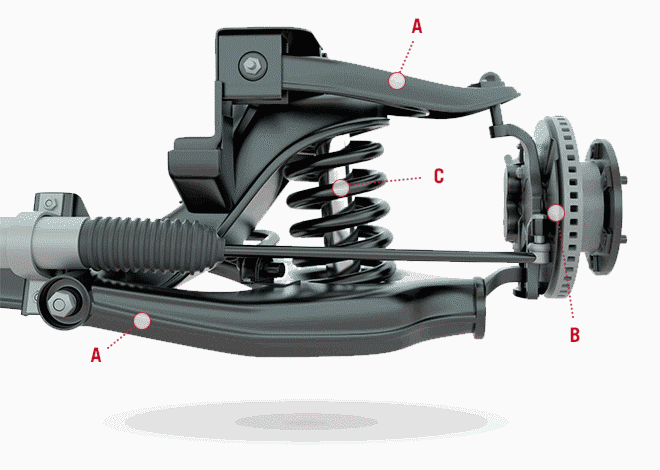
So, you're looking at a front suspension lower control arm diagram, eh? Good move. Understanding this part of your car's suspension is crucial for everything from routine maintenance to tackling more complex modifications. This isn't just about turning wrenches; it's about understanding how your car handles and why. We're going to break down the diagram and the system so you can tackle your next project with confidence.
Purpose of a Lower Control Arm Diagram
Why even bother with a diagram? Simple: Clarity and Accuracy. Whether you're replacing worn bushings, diagnosing a suspension problem, or even considering an upgrade, a detailed diagram helps you:
- Identify components correctly: Avoid ordering the wrong parts – a common and frustrating mistake.
- Understand the assembly: See how everything fits together before you even touch a wrench.
- Follow repair procedures: Torque specs, bolt locations, and specific sequences are often illustrated.
- Troubleshoot effectively: Diagnose issues based on visual cues and component relationships.
- Plan modifications: Visualize how aftermarket parts integrate with the existing system.
Imagine trying to rebuild a carburetor without a diagram – a recipe for disaster! The lower control arm is no different. A diagram provides the roadmap you need to navigate the process successfully.
Key Specs and Main Parts
Let's talk about what you'll find on a typical lower control arm diagram. These are the key components and specifications you need to know:
Main Components:
- Lower Control Arm (LCA): The backbone of the system. It connects the wheel hub to the vehicle's frame or subframe. Material: Typically stamped steel, forged steel, or aluminum alloy.
- Ball Joint: Allows the wheel hub to swivel and move vertically. Types: Pressed-in or bolt-on.
- Bushings: Dampen vibrations and allow for controlled movement. Locations: Where the LCA attaches to the frame/subframe. Materials: Rubber, polyurethane, or a combination.
- Sway Bar Link (End Link): Connects the sway bar to the LCA, improving handling. Note: Not always attached directly to the LCA.
- Shock Absorber/Strut Mount: Some LCAs have mounting points for the shock absorber or strut.
Key Specs (Pay Attention!):
- Torque Specifications: Critical for tightening bolts correctly. Overtightening can damage components; undertightening can lead to failure. Unit: Newton-meters (Nm) or Foot-pounds (ft-lbs).
- Alignment Angles: Caster, camber, and toe. These angles are affected by the LCA and related components.
- Bushing Durometer: A measure of bushing stiffness. Affects ride quality and handling.
- Ball Joint Size and Type: Ensure compatibility when replacing.
The diagram will usually include detailed callouts pointing to each part with a corresponding number or letter referencing a parts list or legend.
Decoding the Diagram: Symbols and Conventions
Diagrams aren't just pretty pictures; they use a standardized language of symbols and conventions. Here's a quick guide:
- Lines:
- Solid Lines: Indicate visible edges of components.
- Dashed Lines: Indicate hidden edges or features.
- Centerlines: Indicate the axis of a part or hole. Often marked with a single long dash followed by a short dash.
- Colors:
- Vary by Diagram: Color coding can differentiate parts, materials, or fluid lines (in hydraulic systems). Consult the diagram's legend.
- Arrows: Indicate direction of movement, force, or fluid flow.
- Hatching: Represents a cutaway view, revealing internal structures.
- Fastener Symbols: Bolts, nuts, washers, and screws are represented by standardized symbols. The diagram should specify the size and type.
Understanding these symbols allows you to interpret the diagram accurately and avoid misinterpreting information.
How It Works: The LCA in Action
The lower control arm is a pivotal component in the suspension system. Here's a simplified explanation of its function:
- Connects Wheel Hub to Frame: The LCA acts as a bridge between the wheel hub assembly and the vehicle's frame or subframe.
- Controls Wheel Movement: It controls the vertical movement of the wheel, allowing it to move up and down in response to bumps and undulations in the road.
- Maintains Wheel Alignment: The LCA, along with the upper control arm (if present), helps maintain proper wheel alignment angles (caster, camber, toe).
- Absorbs Road Shocks: The bushings in the LCA absorb vibrations and shocks, reducing the impact transmitted to the vehicle's chassis.
- Stabilizes Vehicle: Contributes to overall vehicle stability and handling characteristics.
The LCA works in conjunction with other suspension components like the shock absorber (or strut), spring, and sway bar to provide a comfortable and controlled ride.
Real-World Use: Basic Troubleshooting
So, you have a diagram, you understand the parts, and you know how it works. Let's put that knowledge to use with some basic troubleshooting:
- Clunking Noise: Could indicate worn bushings or a failing ball joint. Check the diagram to locate these components and inspect them for damage or excessive play.
- Uneven Tire Wear: Could be caused by misaligned wheels. The LCA's condition can affect alignment angles. Use the diagram to identify adjustment points.
- Loose Steering: A worn ball joint or loose LCA mounting bolts can cause play in the steering. The diagram shows bolt locations and torque specs.
- Visual Inspection: Use the diagram to guide your visual inspection. Look for cracks, bends, or other signs of damage on the LCA itself.
Important Note: Suspension work can be dangerous. If you're not comfortable performing these tasks, seek professional assistance. Always consult your vehicle's repair manual for specific instructions.
Safety First: Respect the Risky Components
The front suspension is under tremendous stress. Here's why safety is paramount:
- Spring Compression: The coil spring stores a significant amount of energy. Improper removal can result in serious injury. Use a proper spring compressor.
- Ball Joint Separation: Separating the ball joint from the steering knuckle can be tricky. Use the correct tools and follow the manufacturer's instructions to avoid damaging the components or injuring yourself.
- Torque Specifications: As mentioned earlier, torque specs are critical. Overtightening or undertightening bolts can lead to component failure. Always use a torque wrench.
- Vehicle Support: Always use jack stands to support the vehicle. Never work under a vehicle supported only by a jack.
Never underestimate the forces involved in a vehicle's suspension. Proceed with caution and prioritize safety at all times.
Remember, this article is a general overview. Always refer to your vehicle's specific repair manual and the diagram we have available for download for the most accurate information. With a solid understanding of the lower control arm and a detailed diagram, you'll be well-equipped to tackle your next suspension project.
Click here to download the detailed Front Suspension Lower Control Arm Diagram.