
Fuel Pressure Regulator Install Diagram
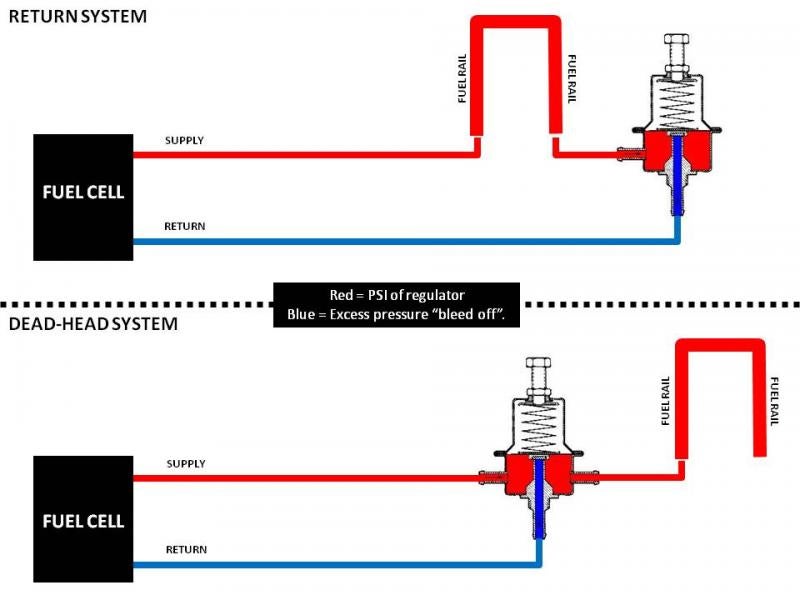
Fuel Pressure Regulator Install Diagram: A Mechanic's Guide
So, you're diving into fuel system work, eh? A fuel pressure regulator (FPR) install diagram is your roadmap, plain and simple. Whether you're replacing a faulty regulator, upgrading to an aftermarket one to support more horsepower, or just trying to understand how your engine's fuel system works, understanding the diagram is absolutely crucial. This article will walk you through the essentials, breaking down the jargon and showing you how to interpret these diagrams like a pro.
Why This Diagram Matters
Think of the FPR install diagram as the Rosetta Stone for your fuel system. It's essential for several reasons:
- Repairs & Troubleshooting: When things go wrong (poor fuel economy, rough idling, stalling), the diagram helps you trace the fuel flow, pinpoint potential problems, and understand if the FPR is the culprit.
- Upgrades & Modifications: Swapping out the FPR for a performance model requires understanding the existing setup and how the new regulator integrates into the system. Incorrect installation can lead to serious engine damage.
- Learning & Understanding: Even if you're not actively working on the fuel system, studying the diagram provides a fundamental understanding of how fuel is delivered to your engine. This knowledge is invaluable for diagnosing issues and performing preventative maintenance.
Key Specs and Main Parts
Before we delve into the diagram itself, let's define the key components you'll likely encounter:
- Fuel Tank: The reservoir holding the fuel. Usually depicted as a simple rectangle or oval.
- Fuel Pump: The electric (or sometimes mechanical) pump that draws fuel from the tank and sends it towards the engine. You'll often see it represented with a pump symbol.
- Fuel Filter: Removes contaminants from the fuel before it reaches the injectors. Often shown as a small cylinder or block.
- Fuel Lines: The hoses and pipes that carry fuel. These are the arteries of the fuel system, usually represented by solid lines.
- Fuel Rail: A manifold that distributes fuel to the fuel injectors.
- Fuel Injectors: Electrically controlled valves that spray fuel into the intake manifold or directly into the cylinders. Depicted as small nozzles or plungers.
- Fuel Pressure Regulator (FPR): Maintains a constant fuel pressure in the fuel rail. This is the star of the show, and its diagram will show how it's connected to the fuel rail, vacuum source (if applicable), and return line (if applicable).
- Vacuum Line (If applicable): Some FPRs are vacuum-referenced, meaning they adjust fuel pressure based on engine vacuum. This line is crucial for proper operation.
- Return Line (If applicable): Excess fuel that is not used by the engine is returned to the fuel tank via this line.
Key Specs to look out for:
- Fuel Pressure Rating: Measured in PSI (pounds per square inch) or kPa (kilopascals). This is the pressure the FPR is designed to maintain.
- Vacuum Reference (Yes/No): Indicates whether the FPR adjusts fuel pressure based on engine vacuum.
- Port Sizes: The diameter of the inlet, outlet, and return ports on the FPR. This determines the size of the fittings and fuel lines you need.
- Flow Rate: The amount of fuel the FPR can handle, typically measured in gallons per hour (GPH).
Decoding the Symbols: Reading the Diagram
FPR install diagrams aren't just pretty pictures; they use specific symbols to convey information. Here's a breakdown:
- Solid Lines: Represent fuel lines carrying liquid fuel. The thickness of the line *may* indicate the size of the fuel line.
- Dashed Lines: Usually indicate vacuum lines or vent lines.
- Arrows: Show the direction of fuel flow. Pay close attention to these!
- Color Coding: Some diagrams use color coding to differentiate between fuel lines (e.g., red), vacuum lines (e.g., green), and electrical connections (e.g., blue). However, this isn't always consistent.
- Component Symbols: As mentioned earlier, each component has a specific symbol (fuel pump, filter, injectors, etc.). These symbols are usually standardized, but always double-check the legend if one is provided.
- Abbreviations: Common abbreviations include:
- FPR: Fuel Pressure Regulator
- FP: Fuel Pump
- FR: Fuel Rail
- INJ: Injector
- VAC: Vacuum
- RET: Return
How It Works: The Fuel Pressure Regulation Dance
The FPR's primary job is to maintain a consistent fuel pressure in the fuel rail, regardless of engine load or RPM. Here's the basic principle:
- The fuel pump delivers fuel to the fuel rail.
- The FPR monitors the pressure in the fuel rail.
- If the pressure exceeds the setpoint, the FPR opens a valve, allowing excess fuel to flow back to the fuel tank via the return line (in a return-style system).
- If the pressure drops below the setpoint, the FPR restricts the flow of fuel back to the tank, maintaining pressure.
- In vacuum-referenced FPRs, engine vacuum influences the setpoint. At idle (high vacuum), the FPR lowers fuel pressure slightly. Under acceleration (low vacuum), the FPR increases fuel pressure. This ensures optimal fuel delivery across the engine's operating range. Non-vacuum referenced systems deliver static fuel pressure
The install diagram shows you exactly how all these components are connected to achieve this regulation.
Real-World Use: Basic Troubleshooting Tips
Understanding the diagram is invaluable for troubleshooting fuel pressure issues. Here are a few examples:
- Low Fuel Pressure: If you're seeing low fuel pressure, the diagram can help you check for:
- A clogged fuel filter (restricting fuel flow).
- A faulty fuel pump (not delivering enough fuel).
- A leaking fuel line (pressure loss).
- A malfunctioning FPR (not maintaining pressure).
- A vacuum leak if the regulator is vacuum referenced.
- High Fuel Pressure: High fuel pressure could be caused by:
- A faulty FPR (stuck closed).
- A blocked return line (preventing excess fuel from returning to the tank).
- Incorrect adjustment of an adjustable FPR.
- Vacuum Line Issues: If the engine idles poorly, and the FPR is vacuum-referenced, check the vacuum line for leaks, kinks, or disconnections.
Safety First!
Working with fuel systems is inherently dangerous. Fuel is highly flammable, and fuel lines are under pressure. Extreme caution is required.
- Disconnect the Battery: Always disconnect the negative battery terminal before working on the fuel system.
- Work in a Well-Ventilated Area: Avoid enclosed spaces where fuel vapors can accumulate.
- No Smoking or Open Flames: Absolutely no smoking or open flames near the work area.
- Depressurize the Fuel System: Before disconnecting any fuel lines, depressurize the fuel system. There are several methods for doing this, depending on the vehicle. Consult your vehicle's repair manual for the proper procedure.
- Wear Safety Glasses: Protect your eyes from fuel splashes.
- Have a Fire Extinguisher Nearby: A fire extinguisher rated for gasoline fires is essential.
- Proper Disposal: Dispose of any fuel-soaked rags properly in a sealed metal container.
Fuel under pressure can cause serious injury, always take extreme caution, especially with older fuel lines.
Important Notes:
Always consult your vehicle's service manual for specific instructions and torque specifications. Generic diagrams can provide a general understanding, but they don't replace vehicle-specific information. When in doubt, consult a qualified mechanic. Do not work on fuel lines when engine is hot.
We have a sample FPR install diagram file available for download to help you visualize the concepts discussed. Contact us and reference this article to receive your copy!