
Fuel System Subaru Fuel Lines Diagrams
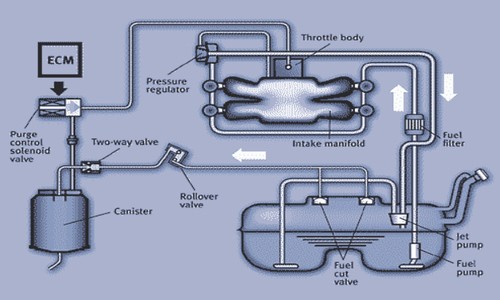
Understanding the fuel system in your Subaru is crucial for everything from basic maintenance to performance modifications. The fuel lines are the arteries of this system, delivering the lifeblood (gasoline or E85) to your engine. A fuel line diagram provides a roadmap to this intricate network, enabling informed repairs, diagnostics, and upgrades. This article will break down the key components and functionalities depicted in these diagrams, empowering you to confidently navigate your Subaru's fuel system.
Purpose of a Subaru Fuel Line Diagram
A fuel line diagram isn't just a pretty picture; it's an indispensable tool for several reasons:
- Troubleshooting: Identify leaks, blockages, or faulty components.
- Repair and Replacement: Accurately locate and replace damaged fuel lines or fittings.
- Performance Upgrades: Plan and execute fuel system modifications, such as installing a larger fuel pump or injectors.
- Understanding System Operation: Comprehend how the fuel system delivers fuel to the engine under various conditions.
- Safety: Identify potentially hazardous areas and components before working on the fuel system.
Simply put, a good fuel line diagram prevents costly mistakes and ensures you're working safely and effectively.
Key Specs and Main Parts in a Subaru Fuel System
Before diving into the diagram, let's review the major components you'll encounter. The specific arrangement and presence of certain components can vary depending on the Subaru model and year, but the fundamental principles remain consistent.
- Fuel Tank: The reservoir for storing fuel. Often includes a fuel level sensor.
- Fuel Pump: Draws fuel from the tank and delivers it to the engine under pressure. Subarus typically use in-tank fuel pumps (located inside the fuel tank) or external fuel pumps (mounted outside the tank, often near it).
- Fuel Filter: Removes contaminants from the fuel, preventing damage to downstream components. Location varies, but it's often found inline between the fuel pump and the fuel rail.
- Fuel Lines (Supply and Return): High-pressure hoses or metal lines that transport fuel. The supply line carries fuel from the tank to the engine. The return line (if present) returns excess fuel from the fuel pressure regulator back to the tank.
- Fuel Rail: A manifold that distributes fuel to the fuel injectors.
- Fuel Injectors: Precisely meter and spray fuel into the engine's cylinders.
- Fuel Pressure Regulator (FPR): Maintains a constant fuel pressure in the fuel rail, ensuring consistent fuel delivery to the injectors. Some newer models use a demand delivery system where the pressure is controlled at the fuel pump by the Engine Control Unit (ECU).
- Fuel Vapor Recovery System (EVAP): Captures fuel vapors to prevent them from escaping into the atmosphere, reducing emissions. Includes components like the charcoal canister, purge valve, and vent lines.
Key specifications to consider include fuel line diameter (affecting flow capacity), fuel pressure (regulated by the FPR), and fuel pump flow rate (determining the maximum amount of fuel the pump can deliver).
Understanding Fuel Line Diagram Symbols
A fuel line diagram uses standardized symbols and conventions to represent different components and lines. Here's a breakdown of common elements:
- Solid Lines: Typically represent fuel lines carrying liquid fuel under pressure.
- Dashed Lines: Usually indicate vacuum lines or vent lines associated with the EVAP system.
- Color Coding: While not universally standardized across all diagrams and models, some manufacturers use color-coding. Common examples include:
- Red or Orange: Fuel supply line.
- Blue or Green: Fuel return line (if present).
- Black: Vent or EVAP lines.
Always refer to the legend on the specific diagram you're using.
- Arrows: Indicate the direction of fuel flow.
- Component Symbols: Each component (fuel pump, filter, regulator, etc.) is represented by a specific symbol. The legend on the diagram will define these symbols. Common shapes include rectangles, circles, and stylized drawings of the actual components.
- Connectors and Fittings: These are shown as small circles or squares where lines connect to components or other lines. The type of fitting (e.g., banjo fitting, quick-connect fitting) might be specified in the diagram.
Understanding these symbols allows you to quickly interpret the diagram and trace the fuel flow path.
How the Subaru Fuel System Works
The fuel system operates as a closed loop (mostly). Here's a simplified overview:
- The fuel pump, located in the fuel tank, draws fuel through a strainer.
- Fuel passes through the fuel filter to remove impurities.
- The fuel travels through the supply line to the fuel rail.
- The fuel rail distributes fuel to the individual fuel injectors.
- The ECU controls the injectors, opening and closing them to spray a precise amount of fuel into the cylinders based on engine load and other parameters.
- In systems with a return line, excess fuel pressure is relieved by the fuel pressure regulator, which returns the excess fuel to the fuel tank. Some newer systems are returnless, regulating pressure at the fuel pump itself.
- Fuel vapors generated in the fuel tank are captured by the EVAP system and stored in the charcoal canister.
- The ECU periodically opens the purge valve, allowing the engine to draw these vapors from the canister and burn them, preventing their release into the atmosphere.
Understanding this process allows you to diagnose issues based on symptoms. For example, low fuel pressure can indicate a failing fuel pump, clogged fuel filter, or faulty fuel pressure regulator.
Real-World Use: Basic Troubleshooting Tips
Here are some common fuel system issues and how a fuel line diagram can aid in troubleshooting:
- Fuel Leaks: The diagram helps you pinpoint the exact location of the leak. Check connections, hoses, and components in the vicinity. Look for fuel stains or a strong gasoline odor.
- Poor Fuel Economy: A faulty fuel pressure regulator or leaking injector can cause excessive fuel consumption. The diagram helps locate these components for inspection or replacement.
- Hard Starting or Stalling: A clogged fuel filter or weak fuel pump can prevent the engine from receiving enough fuel. The diagram shows the filter and pump locations for testing and replacement.
- Check Engine Light (CEL): Diagnostic Trouble Codes (DTCs) related to the fuel system can guide you to specific components. Use the diagram to identify and inspect those components. For instance, a code related to the EVAP system will lead you to examine the charcoal canister, purge valve, and associated lines.
Always use appropriate safety precautions when working with fuel.
Safety Considerations
Working with fuel is inherently dangerous. Take these precautions seriously:
- Disconnect the Battery: This prevents accidental sparks that could ignite fuel vapors.
- Work in a Well-Ventilated Area: Fuel vapors are flammable and can displace oxygen.
- Use Fuel-Resistant Gloves and Eye Protection: Protect yourself from skin and eye irritation.
- Have a Fire Extinguisher Nearby: In case of a fire, a fire extinguisher can save your car.
- Depressurize the Fuel System: Before disconnecting any fuel lines, relieve the fuel pressure. Consult your vehicle's service manual for the proper procedure.
- Be Extremely Careful with Fuel Hoses: Old hoses become brittle and prone to cracking. Replace them if they show signs of wear.
- Properly Dispose of Fuel-Soaked Rags: These are a fire hazard and should be disposed of in a sealed, fire-resistant container.
The fuel rail and injectors are particularly sensitive components. Avoid applying excessive force when disconnecting them. The fuel tank is also a hazardous area; avoid smoking or using open flames near it.
A comprehensive understanding of your Subaru's fuel system, combined with a detailed fuel line diagram, will empower you to tackle a wide range of maintenance and repair tasks. Remember safety first, and always consult your vehicle's service manual for specific procedures and specifications.
We have a comprehensive fuel line diagram file that you can download. With this diagram in hand, you'll have the visual guide you need to confidently navigate and maintain your Subaru's fuel system.