
Fuse Box Diagram For 2004 Chevy Trailblazer
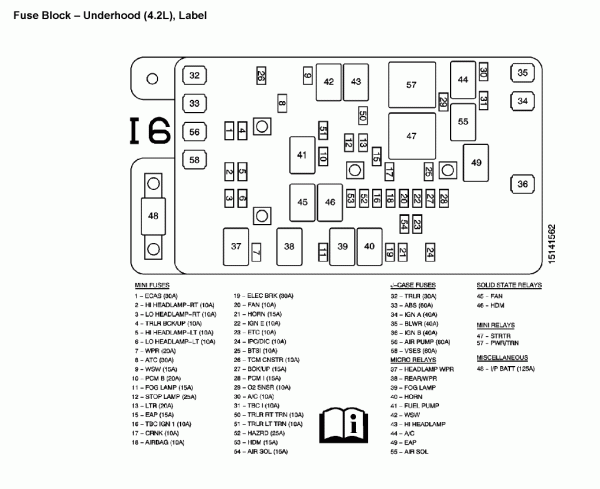
Alright, let's dive into the fuse box diagram for your 2004 Chevy Trailblazer. Understanding this layout is absolutely crucial, whether you're tackling a minor electrical gremlin, planning some aftermarket modifications, or just want to familiarize yourself with your vehicle's nervous system. This isn't just a piece of paper; it's your roadmap to diagnosing and resolving electrical issues. It's far better than guessing or worse, pulling the wrong fuse and creating more problems.
Purpose of Understanding the Fuse Box Diagram
Why bother with this diagram? Several reasons jump to mind. First, it's essential for basic repairs. A blown fuse is a common culprit for malfunctioning components, from a dead radio to a non-starting engine. The diagram pinpoints exactly which fuse controls which circuit. Second, it’s critical for troubleshooting. If something isn't working, the diagram helps you systematically isolate the problem. Third, if you are modifying your Trailblazer with aftermarket accessories (lights, audio systems, etc.), knowing the fuse box layout is non-negotiable for safe and effective installation. Lastly, just knowing the fuse and relay layout provides you with a deeper understanding of your vehicle’s electrical system.
Key Specs and Main Parts of the 2004 Trailblazer Fuse Box
The 2004 Trailblazer actually has two main fuse box locations:
- Underhood Fuse Box: Located in the engine compartment, typically on the driver's side. This box handles high-current circuits related to the engine, drivetrain, and other essential vehicle systems.
- Rear Fuse Box: Located in the rear cargo area, usually on the driver's side behind a trim panel. This box manages circuits for rear accessories, lighting, and other components.
Each fuse box contains fuses and relays. Let’s define these:
- Fuses: These are sacrificial devices designed to protect circuits from overcurrent. When the current exceeds a safe level, the fuse's internal element melts, breaking the circuit and preventing damage to components. Fuses are rated in amperes (amps), indicating the maximum current they can handle. Common fuse types you'll encounter are blade fuses (ATO/ATC, mini, and low-profile mini).
- Relays: Relays are electromechanical switches that use a small electrical signal to control a larger current flow. They are used to switch high-current circuits on or off with a low-current signal from a switch or the vehicle's computer (ECU). Relays commonly handle things like the fuel pump, starter motor, and headlights.
Key Specs to Consider:
- Fuse Amp Ratings: Always replace a blown fuse with one of the exact same amperage rating. Using a higher amperage fuse can overload the circuit and cause serious damage or even a fire.
- Relay Types: Relays come in different configurations (SPST, SPDT, etc.). The diagram helps you identify the correct relay type for each function.
- Wire Gauge: The wires connected to the fuses and relays have different gauges (thicknesses). This is important to know if you are doing any modifications to the wiring system.
Decoding the Symbols on the Diagram
A fuse box diagram uses a standardized set of symbols to represent various components and their functions. Understanding these symbols is key to interpreting the diagram correctly.
- Fuses: Typically represented by a rectangle with a wavy line inside or just a rectangle split into two parts. The amperage rating is usually indicated next to the symbol. The color of the fuse itself also denotes the amperage.
- Relays: Usually depicted as a square or rectangle with internal components shown (coil, contacts). Some diagrams show the pin numbers on the relay.
- Wires: Solid lines represent wires. Dashed lines might indicate grounding points or connections to other circuits. The color of the wire is frequently labeled on more detailed diagrams (e.g., "RED," "BLK," "BLU").
- Grounds: A common symbol for ground is a series of descending lines resembling an inverted triangle.
- Component Symbols: Other symbols represent specific components, such as headlights, fuel pumps, or the ECU. These symbols are often stylized but recognizable.
The diagram might also use abbreviations. Some common ones include:
- IGN: Ignition
- BAT: Battery
- ACC: Accessory
- PCM: Powertrain Control Module (ECU)
- BCM: Body Control Module
How It Works: The Electrical Flow
Imagine the wiring in your Trailblazer as a network of roads. The battery is the power plant, providing the initial voltage. Wires act as the roads, carrying the electrical current to various components. Fuses are the traffic lights, preventing overload and ensuring smooth flow. Relays are like on-ramps and off-ramps, directing the current to different areas based on control signals.
When you turn on the ignition, the battery sends power to the ignition switch. The ignition switch then activates various circuits through the fuse box and relays. For example, turning on the headlights sends a signal to the headlight relay, which then allows high-current electricity to flow to the headlights. If a fuse blows, it's like a road closure, cutting off the current to that specific component.
Real-World Use: Basic Troubleshooting Tips
Okay, let's get practical. Here’s a scenario: your windshield wipers suddenly stop working. Here’s how you’d use the fuse box diagram:
- Consult the Diagram: Locate the fuse box diagram for your 2004 Trailblazer. Consult the rear fuse box.
- Identify the Wiper Fuse: Find the fuse labeled "Wipers" or something similar. The diagram will tell you its location (e.g., position #23) and amperage (e.g., 25A).
- Inspect the Fuse: Physically locate the fuse in the fuse box. Pull it out using a fuse puller (usually included in the fuse box). Visually inspect the fuse. If the thin wire inside is broken, the fuse is blown.
- Replace the Fuse: Replace the blown fuse with a new fuse of the exact same amperage.
- Test the Wipers: Turn on the ignition and try the wipers. If they work, you've solved the problem. If the fuse blows again immediately, there's a short circuit in the wiper system, and you'll need to investigate further (wiring, wiper motor).
Other troubleshooting tips:
- Use a Test Light or Multimeter: A test light or multimeter can help you check for power at various points in the circuit. This is useful for diagnosing more complex electrical issues.
- Check the Ground Connections: A loose or corroded ground connection can cause all sorts of problems. Make sure all ground connections are clean and secure.
- Look for Damaged Wiring: Inspect the wiring for cuts, abrasions, or corrosion. Damaged wiring can cause shorts and open circuits.
Safety First! Highlighting Risky Components
Working with automotive electrical systems can be dangerous if you're not careful. Always follow these safety precautions:
- Disconnect the Battery: Before working on any electrical circuits, disconnect the negative battery cable. This prevents accidental shorts and shocks.
- Don't Overload Circuits: Never replace a fuse with a higher amperage fuse. This can overload the circuit and cause a fire.
- Work in a Well-Ventilated Area: If you're working with flammable liquids or gases (e.g., fuel), make sure the area is well-ventilated.
- Use Insulated Tools: Use insulated tools to prevent accidental shorts.
- Be Careful Around the Airbag System: The airbag system is highly sensitive. Avoid working on or near the airbag control unit or wiring unless you are specifically trained to do so. Accidental deployment can cause serious injury.
- High Current Areas: Be extra cautious around the starter motor and alternator. These components carry high currents, and accidental shorts can be very dangerous.
Working on your car’s electrical system can be very rewarding. However, don't hesitate to consult a qualified mechanic if you're unsure about anything. A little bit of knowledge and precaution can save you a lot of time, money, and potential headaches. Remember, safety always comes first! We have the complete fuse box diagram for your 2004 Chevy Trailblazer available for download. This comprehensive resource will be invaluable as you navigate your vehicle's electrical system.