
Holley Carburetor Vacuum Line Diagram
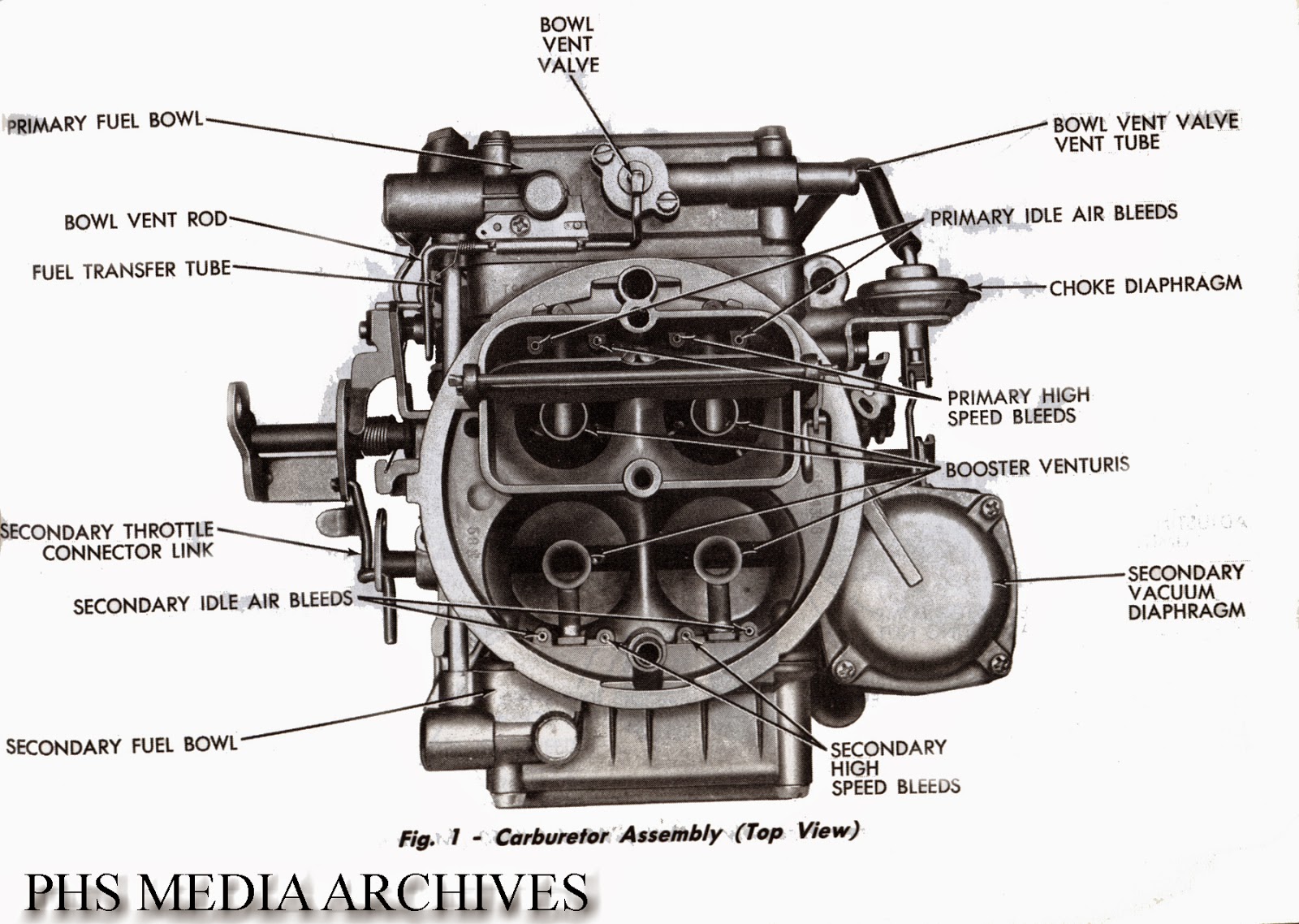
Alright, let's dive into the world of Holley carburetors and, more specifically, their vacuum line diagrams. If you're looking to diagnose engine problems, fine-tune your performance, or even just understand how your carbureted engine *actually* works, mastering these diagrams is crucial. This isn't just about connecting hoses; it's about understanding the intricate dance of vacuum that makes your engine tick.
Why You Need to Understand Holley Vacuum Line Diagrams
The Holley carburetor, a cornerstone of performance engines for decades, relies heavily on vacuum to operate various functions. Knowing how to interpret the vacuum line diagram allows you to:
- Diagnose Performance Issues: Vacuum leaks are notorious for causing rough idling, poor acceleration, and overall decreased engine performance. The diagram is your map to trace these leaks.
- Properly Connect Components: Swapping out parts or modifying your engine can lead to disconnected or improperly connected vacuum lines. The diagram ensures you're hooking everything up correctly.
- Understand Engine Operation: Beyond just fixing problems, understanding the vacuum system gives you deeper insight into how the carburetor and engine interact. This knowledge is invaluable for tuning and optimizing performance.
- Avoid Costly Repairs: Misconnected or leaking vacuum lines can lead to more serious engine damage. Catching problems early can save you a lot of money in the long run.
Key Specs and Main Parts in a Holley Vacuum System
Before we delve into the diagram itself, let's familiarize ourselves with the key components and terminology involved. Keep in mind that specific configurations vary greatly depending on the Holley model (e.g., 4150, 4160, 4500, etc.) and the engine it's paired with, but some common elements include:
- Manifold Vacuum: This is the vacuum pulled directly from the intake manifold *below* the throttle plates. It's the strongest and most consistent vacuum source, used for things like power brakes, PCV valves, and distributor vacuum advance.
- Ported Vacuum: This vacuum source is located *above* the throttle plates and increases as the throttle opens. It's often used for distributor vacuum advance systems on older vehicles, though it's less common on modern performance applications.
- Full Vacuum: Sometimes used synonymously with manifold vacuum, but be precise with your terminology.
- PCV Valve (Positive Crankcase Ventilation): This valve vents crankcase gases back into the intake manifold to reduce emissions. It's connected to manifold vacuum.
- Vacuum Advance Unit (Distributor): This unit advances the ignition timing based on engine load, improving fuel economy and throttle response. It can be connected to either manifold or ported vacuum.
- Power Brake Booster: Provides vacuum assistance to the brake system, making it easier to apply the brakes. Connects directly to manifold vacuum.
- EGR Valve (Exhaust Gas Recirculation): Reduces emissions by recirculating exhaust gases back into the intake manifold. Often controlled by a vacuum signal.
- Vacuum Reservoir (Vacuum Canister): A small tank that stores vacuum to provide a stable vacuum source for accessories, even under heavy load.
- Vacuum Operated Accessories: Things like air conditioning controls, heater controls, and cruise control systems might rely on vacuum.
- Choke Pull-off (Vacuum Break): Opens the choke plate slightly after the engine starts to prevent over-rich conditions.
Decoding Holley Vacuum Line Diagram Symbols
Understanding the diagram's symbols is crucial. While there isn't a universally standardized system, here are some common conventions:
- Solid Lines: Typically represent vacuum lines.
- Dashed Lines: Might indicate control lines or connections to electrical components.
- Different Colors: Often used to differentiate between different vacuum sources (e.g., manifold vacuum vs. ported vacuum). Check the legend on the diagram. If there is no legend, a process of elimination is required through tracing the vacuum lines.
- Arrows: Indicate the direction of vacuum flow.
- Circles or Squares with Letters: Represent specific components (e.g., "PCV" for PCV valve, "VAC ADV" for vacuum advance).
- T-Connectors (T-Fittings): Show where a single vacuum line splits into two or more.
- Check Valves: Allow vacuum to flow in only one direction. Often indicated by a symbol resembling an arrow inside a circle. These are important for maintaining vacuum in specific systems.
- Restrictors: Small orifices that limit the amount of vacuum flowing through a line. They're used to fine-tune vacuum signals.
Always refer to the specific diagram for your Holley carburetor model. Don't assume that all diagrams are the same, even for similar carburetors. Minor differences can have a significant impact on performance.
How It Works: The Vacuum Symphony
The Holley carburetor's vacuum system orchestrates a complex symphony of vacuum signals that control various engine functions. Manifold vacuum is the primary source, providing a strong and constant vacuum signal that drives components like the PCV valve and power brake booster. Ported vacuum, on the other hand, provides a vacuum signal that increases with throttle opening, influencing the distributor's vacuum advance and other systems. The timing and intensity of vacuum signals are carefully calibrated to optimize engine performance, fuel economy, and emissions.
The vacuum advance unit on the distributor, for instance, uses vacuum to advance the ignition timing under light load conditions. This improves fuel economy and throttle response. The PCV valve uses manifold vacuum to draw crankcase gases back into the intake manifold, preventing pressure buildup in the crankcase and reducing emissions. The power brake booster uses manifold vacuum to assist the driver in applying the brakes, making braking easier and more effective.
Real-World Use: Basic Troubleshooting Tips
Here are a few basic troubleshooting tips using the vacuum line diagram:
- Rough Idle: A common symptom of a vacuum leak. Use the diagram to systematically check each vacuum line for cracks, disconnections, or looseness. Spraying a small amount of carburetor cleaner or starting fluid around vacuum lines can help pinpoint leaks. An increase in engine RPM suggests a leak.
- Poor Acceleration: Could be a vacuum leak in the vacuum advance system. Check the vacuum line to the distributor for leaks or damage.
- Brake Problems: If your power brakes aren't working properly, check the vacuum line to the brake booster. Make sure it's securely connected and not damaged.
- Use a Vacuum Gauge: A vacuum gauge is an indispensable tool for diagnosing vacuum problems. Connect it to a manifold vacuum source and observe the reading. A low or fluctuating reading indicates a vacuum leak or other engine problem.
- Component Testing: Use a handheld vacuum pump to test the functionality of vacuum-operated components like the distributor vacuum advance or EGR valve. Apply vacuum to the component and observe its response.
Safety First: Risky Components
Working around the engine bay involves certain safety considerations. Some specific to vacuum lines include:
- Hot Engine: Be careful when working around a hot engine. Allow the engine to cool down before handling vacuum lines near exhaust manifolds or other hot components.
- Carburetor Cleaner/Starting Fluid: These are highly flammable. Use them sparingly and in a well-ventilated area. Keep them away from open flames or sparks.
- Moving Parts: Keep your hands clear of moving parts like the fan and belts while the engine is running.
- Battery Disconnect: While not directly related to vacuum lines, disconnecting the battery's negative terminal can prevent accidental electrical shorts during troubleshooting.
Remember, vacuum lines can deteriorate over time due to heat and exposure to chemicals. Regularly inspect your vacuum lines and replace them as needed. Using high-quality silicone vacuum lines is a good investment for durability.
We have a generic Holley vacuum line diagram file available for download to assist in your troubleshooting. Please remember that this is a general diagram and may not perfectly match your specific carburetor model, but it should provide a good starting point. Always refer to the manufacturer's documentation or a diagram specific to your carburetor whenever possible.