
Ignition Coil Nissan Distributor Wiring Diagram
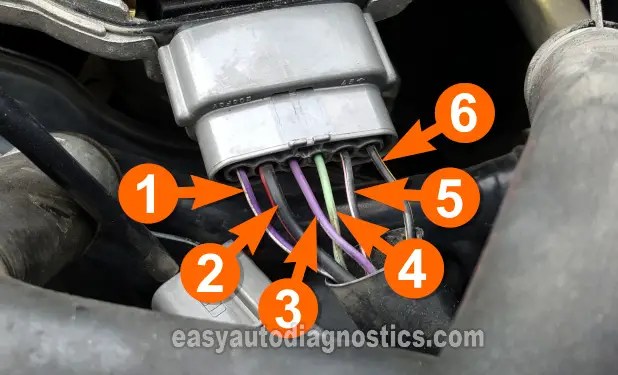
Alright, let's dive into the ignition coil wiring diagram for Nissan distributors. This is crucial information for diagnosing ignition problems, performing engine swaps, or even just understanding how your older Nissan's ignition system works. We're going to cover everything from the key components to troubleshooting, and remember, safety first when dealing with electrical systems.
Purpose: Why This Diagram Matters
Think of this wiring diagram as the roadmap for your Nissan's ignition system. Without it, troubleshooting becomes a guessing game. Specifically, this diagram helps you:
- Diagnose No-Start Conditions: The ignition system is a prime suspect when your engine refuses to crank. The diagram lets you pinpoint faulty coils, wiring breaks, or issues with the distributor itself.
- Identify Short Circuits: Electrical shorts can wreak havoc. A diagram makes it much easier to trace wires and find the source of the problem.
- Perform Engine Swaps/Modifications: If you're upgrading your engine or swapping it into a different chassis, the diagram is essential for properly wiring the ignition system. It prevents wiring errors that could damage your ECU (Engine Control Unit) or other components.
- Understand the Ignition System: Even if you're not actively working on your car, understanding the diagram gives you a better grasp of how your engine works and can help you spot potential problems before they become major issues.
Key Specs and Main Parts
Let's break down the essential components that you'll find in a typical Nissan distributor ignition coil wiring diagram. Keep in mind that specific configurations may vary slightly depending on the year and model, but the fundamental principles remain the same.
Main Components:
- Distributor: The heart of the system. The distributor houses the ignition coil, trigger wheel (or reluctor), pickup coil (or stator), and sometimes the igniter module. Its primary function is to distribute the high-voltage spark to the correct cylinder at the correct time.
- Ignition Coil: This is a transformer that steps up the relatively low voltage from the battery (12V) to a very high voltage (thousands of volts) needed to create a spark across the spark plug gap.
- Igniter (or Power Transistor): The igniter acts as a high-speed switch, rapidly turning the ignition coil on and off. This rapid switching is what causes the coil to generate the high-voltage spark. In some systems, the igniter is built into the distributor; in others, it's a separate module mounted elsewhere in the engine bay.
- ECU (Engine Control Unit): The ECU controls the ignition timing. It receives signals from various sensors (crankshaft position sensor, throttle position sensor, etc.) and uses this information to determine when to fire the ignition coil.
- Spark Plugs: The final destination of the high-voltage spark. Spark plugs ignite the air-fuel mixture in the cylinders, causing combustion.
- Wiring Harness: Connects all the components together. This includes wires for power, ground, signal, and high-voltage spark plug wires.
Key Specs:
- Voltage: The system operates on a 12V DC power supply. However, the ignition coil outputs thousands of volts (typically 20,000 to 40,000 volts) to the spark plugs.
- Resistance: The ignition coil has both a primary and a secondary resistance. These resistance values are crucial for diagnosing coil problems. Typically, the primary resistance is a few ohms (e.g., 0.5 - 2 ohms), while the secondary resistance is several thousand ohms (e.g., 6,000 - 15,000 ohms). Refer to your specific vehicle's service manual for the correct resistance values.
- Timing: Ignition timing is the point in the engine's cycle (measured in degrees before top dead center – BTDC) when the spark plug fires. Correct ignition timing is critical for engine performance and fuel efficiency.
Symbols – Explain Lines, Colors, and Icons
Understanding the symbols used in the wiring diagram is essential for interpreting it correctly. Here's a breakdown of the common symbols:
- Solid Lines: Represent wires connecting different components. The thickness of the line may indicate the wire gauge (thicker lines generally represent wires that carry more current).
- Dashed Lines: Can represent shielded wires or wires that are part of a harness. They may also indicate a connection that exists but isn't directly part of the ignition circuit, such as a connection to a sensor.
- Colors: Each wire in the harness is typically color-coded. The diagram will include a legend that indicates what each color represents. Common colors include black (ground), red (power), and various other colors for signal wires. For example, a Black/White (B/W) wire indicates a black wire with a white stripe.
- Ground Symbol: Usually depicted as three descending horizontal lines, indicating a connection to the vehicle's chassis or engine block (ground).
- Coil Symbol: Represents the ignition coil itself. The symbol typically shows two coils, representing the primary and secondary windings.
- Capacitor Symbol: Consists of two parallel lines. Capacitors are sometimes used in the ignition circuit to suppress electrical noise.
- Resistor Symbol: A zig-zag line. Resistors limit current flow.
- Connector Symbol: Indicates a point where wires can be disconnected. These are often shown as small circles or squares.
- ECU Symbol: Usually shown as a rectangle with pins representing the various inputs and outputs.
How It Works
Here's a simplified explanation of how the Nissan distributor ignition system works:
- Power Supply: The ignition system receives power from the battery (12V).
- Triggering: As the engine rotates, the trigger wheel (reluctor) in the distributor passes by the pickup coil (stator). This generates a small voltage signal.
- Signal to ECU/Igniter: The pickup coil signal is sent to the ECU (if equipped) or directly to the igniter module.
- Igniter Switching: The ECU (or the pickup coil directly) tells the igniter when to switch the ignition coil on and off.
- Coil Charging: When the igniter switches the ignition coil "on," current flows through the primary winding of the coil, building up a magnetic field.
- Coil Discharge: When the igniter switches the ignition coil "off," the magnetic field collapses rapidly. This rapid collapse induces a very high voltage in the secondary winding of the coil.
- Spark Distribution: The high voltage from the secondary winding is sent to the distributor cap. The rotor inside the distributor cap rotates and directs the high-voltage spark to the correct spark plug terminal.
- Combustion: The high-voltage spark jumps the gap at the spark plug, igniting the air-fuel mixture in the cylinder, starting the combustion process.
Real-World Use – Basic Troubleshooting Tips
Here are a few common troubleshooting scenarios and how the wiring diagram can help:
- No Spark: Check for power and ground at the ignition coil. Use the diagram to identify the correct wires. If power and ground are present, check the igniter signal wire from the ECU or pickup coil. If there's no signal, the problem could be with the ECU, pickup coil, or the wiring between them. Check the coil resistance. An open or shorted coil won't produce spark.
- Weak Spark: Could be caused by a weak ignition coil, faulty igniter, or poor connections. Use the diagram to inspect the wiring for corrosion or loose connections.
- Intermittent Spark: This can be tricky to diagnose. Check for loose connections, damaged wiring, or a failing igniter. Sometimes, heat can cause components to fail intermittently.
- Misfire: A misfire can be caused by a faulty spark plug, ignition coil, or wiring. The diagram can help you isolate the misfiring cylinder and trace the wiring back to the coil and igniter.
Using a Multimeter: A multimeter is your best friend for diagnosing electrical problems. You can use it to check for voltage, continuity (wire breaks), and resistance (coil resistance). Always refer to your vehicle's service manual for the correct test procedures and specifications.
Safety – Highlight Risky Components
High Voltage: The ignition coil produces extremely high voltage. Never touch the spark plug wires or ignition coil while the engine is running or while the ignition is switched on. This can result in a severe electric shock.
Fuel Leaks: When working on the ignition system, be extra cautious around fuel lines and injectors. Sparks can ignite fuel vapors, causing a fire or explosion.
Battery Disconnect: Always disconnect the negative battery cable before working on the electrical system. This prevents accidental shorts and protects you from electric shock.
Grounding: Make sure that the vehicle is properly grounded before starting any electrical work. A poor ground can cause erratic readings and can even damage components.
Component Damage: Improper testing or wiring can damage sensitive electronic components like the ECU or igniter. Double-check your wiring and test procedures before proceeding.
This article offers a comprehensive overview. Detailed wiring diagrams are specific to the vehicle's year, model, and engine. We have a sample file and detailed explanation, and it's ready for you to download and further your understanding. Good luck, and stay safe!