
Ignition Suzuki Intruder 800 Wiring Diagram
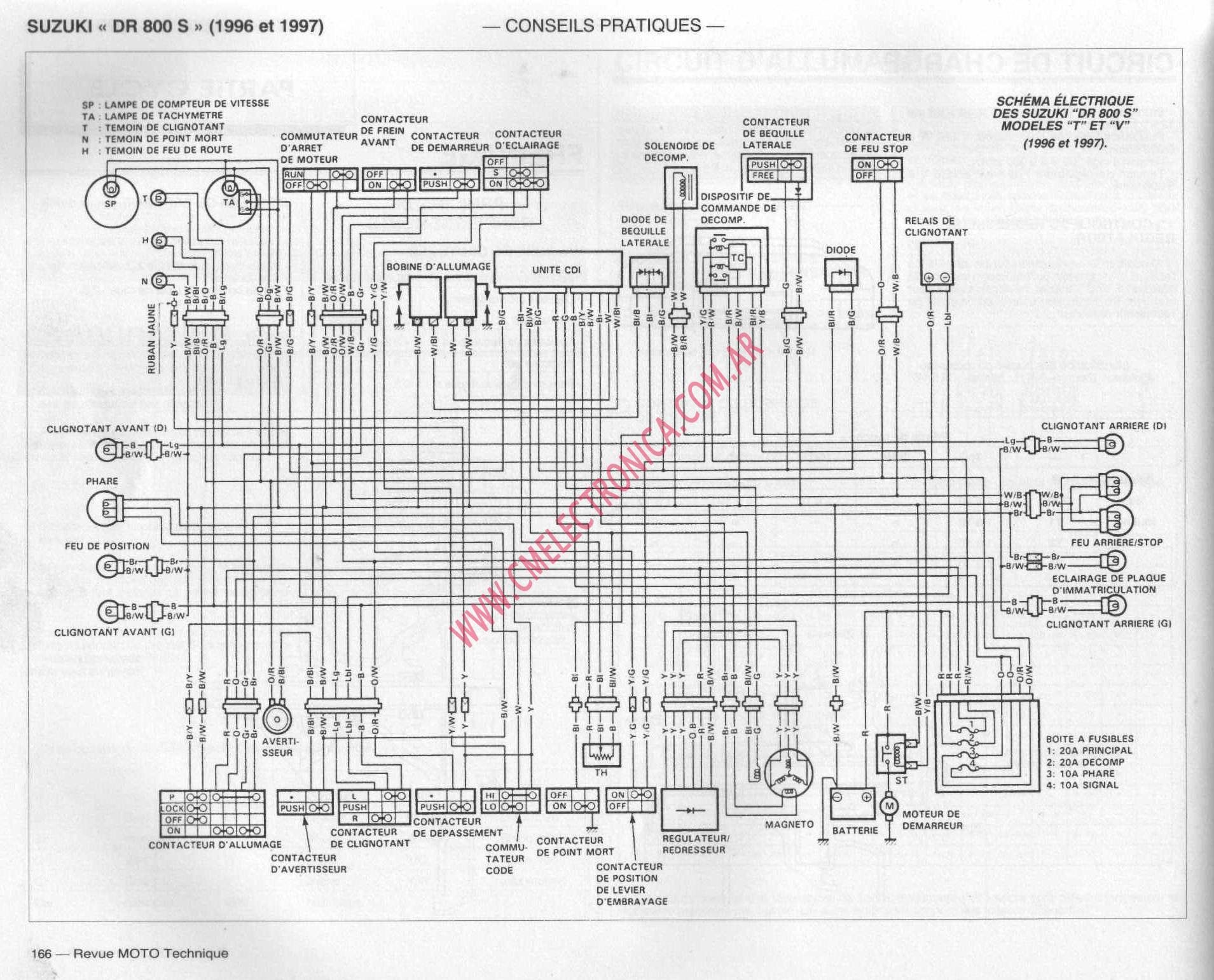
Alright, let's dive into the ignition wiring diagram for the Suzuki Intruder 800, specifically the VS800GL model, though much of this will apply across the Intruder/Volusia/Boulevard 800 family. This isn't just a pretty picture; it's your roadmap to understanding, repairing, and even modifying the electrical heart of your bike. Whether you're chasing down a phantom no-start, planning a custom lighting project, or just want to know how things tick, grasping this diagram is crucial.
Purpose of the Ignition Wiring Diagram
Why bother with this complicated-looking map? Well, a good wiring diagram serves several critical purposes:
- Troubleshooting: When your Intruder is acting up, a wiring diagram lets you trace circuits, check continuity, and pinpoint where the problem lies. Is the starter relay firing? Is the spark reaching the plugs? The diagram helps you answer these questions systematically.
- Repairing: Damaged wires, faulty connectors, or broken components are all part of motorcycle life. The diagram shows you where each wire should go, allowing you to replace damaged sections or re-route wiring properly.
- Modification: Planning to add aftermarket lights, a new ignition system, or any electrical accessory? The diagram shows you where to tap into existing circuits safely and effectively, minimizing the risk of frying your bike's electrical system.
- Understanding: Even if everything is working perfectly, studying the diagram gives you a deeper understanding of how your bike's electrical system operates. This knowledge can be invaluable for preventative maintenance and early detection of potential problems.
Key Specs and Main Parts
The Intruder 800's ignition system, at its core, is a fairly standard transistorized ignition (TI) system. Here's a breakdown of the key components you'll see in the diagram:
- Battery: The heart of the electrical system, usually a 12V lead-acid battery. It provides the power for the entire ignition circuit.
- Ignition Switch: Controls the flow of power to the ignition system. Often multi-position (OFF, ON, START).
- Engine Stop Switch: A crucial safety feature that cuts power to the ignition coils, preventing the engine from running.
- Ignition Coils: These are step-up transformers that take the 12V from the battery and boost it to tens of thousands of volts, necessary to create a spark at the spark plugs. The Intruder 800 typically has two coils, one for each cylinder.
- Igniter (IC Igniter Unit): The "brain" of the ignition system. It receives signals from the crank position sensor and determines when to fire the ignition coils. This is a solid-state electronic component.
- Crank Position Sensor (CPS) / Pulse Generator: Mounted near the crankshaft, this sensor provides the igniter with information about the engine's position and speed. The CPS generates a pulse each time a specific point on the crankshaft passes by.
- Spark Plugs: The final destination of the high-voltage spark. The spark ignites the air-fuel mixture in the cylinders, initiating combustion.
- Wiring Harness: The network of wires that connects all the components together.
- Fuses: Safety devices designed to protect the electrical system from overloads. When excessive current flows through a fuse, it melts, breaking the circuit.
- Grounding Points: Points where the electrical circuits connect to the bike's frame, providing a return path for current. Proper grounding is critical for reliable operation.
Understanding Wiring Diagram Symbols
The wiring diagram isn't written in plain English, it speaks in a language of symbols. Here's a guide:
- Lines: Lines represent wires. Thicker lines often indicate wires carrying higher current.
- Colors: Each wire has a specific color code (e.g., Blue/Yellow, Green, Black/White). These colors are absolutely crucial for identifying wires within the harness. The diagram will include a color code chart. Common colors are Black (ground), Red (positive from battery), and other colors for signals to various components.
- Connections (Dots): A dot where lines intersect indicates a connection. If lines cross without a dot, they are simply passing over each other and are not connected.
- Components: Each electrical component (resistors, diodes, capacitors, switches, relays) has a specific symbol. The diagram should have a legend explaining these symbols. For example, a switch is often represented by a break in a line with an arm that can move to connect or disconnect the circuit. A resistor is represented by a jagged line.
- Fuses: Usually represented by a line inside a rectangle.
- Ground Symbols: Various symbols represent the ground connection. Often looks like a downward-pointing triangle or a series of parallel lines decreasing in length.
Important Note: Suzuki, like most manufacturers, may use slightly different symbols or conventions across different years or models. Always refer to the specific diagram for your year and model Intruder 800. The correct wiring diagram is the only source for troubleshooting. Don't assume that "close enough" is good enough.
How the Ignition System Works
Here's a simplified explanation of how the Intruder 800's ignition system functions:
- Power On: When you turn the ignition switch to the "ON" position, power from the battery flows to the ignition system. The engine stop switch must also be in the "RUN" position.
- Crank Signal: As the engine cranks, the crank position sensor (CPS) generates a signal. This signal is sent to the igniter unit.
- Ignition Timing: The igniter unit uses the CPS signal to determine the engine's position and when to fire the ignition coils. The igniter incorporates advance curves to optimize performance at different engine speeds.
- Coil Activation: Based on the information from the CPS, the igniter unit rapidly switches the ground connection to the primary winding of the ignition coil. This switching action causes the magnetic field in the coil to collapse very rapidly.
- High-Voltage Spark: The collapsing magnetic field induces a very high voltage in the secondary winding of the ignition coil (thousands of volts).
- Spark Plug Firing: This high voltage is sent to the spark plug, creating a spark across the spark plug gap. This spark ignites the air-fuel mixture in the combustion chamber, starting the engine.
- Feedback: The entire process repeats continuously as the engine runs, with the igniter precisely timing the spark to each cylinder.
Real-World Use and Basic Troubleshooting
Let's say your Intruder 800 won't start. Here are some basic troubleshooting steps you can take using the wiring diagram:
- Check the Battery: Use a multimeter to verify the battery voltage. It should be at least 12.6 volts when fully charged. A discharged or weak battery is the most common cause of starting problems.
- Check the Fuses: Locate the fuse box and inspect all fuses. Replace any blown fuses with the correct amperage rating. Never use a fuse with a higher rating than specified, as this can damage the wiring.
- Check the Ignition Switch and Engine Stop Switch: Use a multimeter to verify that power is flowing through these switches when they are in the "ON" and "RUN" positions, respectively. Corroded contacts are a common problem.
- Check for Spark: Remove a spark plug, connect it to the spark plug wire, and ground the plug body to the engine. Crank the engine and observe whether a spark jumps across the plug gap. No spark indicates a problem with the ignition coil, igniter unit, or CPS.
- Check CPS Resistance: Using a multimeter, measure the resistance of the CPS according to the service manual specifications. An open or shorted CPS can cause a no-start condition.
- Check Wiring Connections: Inspect all wiring connectors for corrosion, loose connections, or damaged wires. Clean and tighten any suspect connections. Use dielectric grease to prevent future corrosion.
Safety Precautions
Working on your bike's electrical system can be dangerous if you're not careful. Here are some important safety tips:
- Disconnect the Battery: Always disconnect the negative battery terminal before working on any electrical components. This prevents accidental shorts and potential electrical shocks.
- High-Voltage Components: Be extremely careful when working around the ignition coils and spark plug wires. These components generate very high voltages that can be lethal. Never touch these components while the engine is running or being cranked.
- Use Proper Tools: Use insulated tools designed for electrical work.
- Don't Modify the Wiring: Avoid cutting or splicing wires unless absolutely necessary. When making modifications, use proper crimping tools and connectors to ensure secure and reliable connections.
- Refer to the Service Manual: Always refer to the service manual for specific instructions and safety precautions related to your Intruder 800 model.
Understanding the Suzuki Intruder 800 ignition wiring diagram is an essential skill for any owner who wants to maintain, repair, or modify their bike. By following these tips and taking necessary safety precautions, you can confidently tackle electrical projects and keep your Intruder running smoothly.
We have a digital copy of a high-resolution Suzuki Intruder 800 wiring diagram available. You can download it now to assist in your troubleshooting and repair efforts.