
Jeep Jk 7 Pin Trailer Wiring Harness Kit
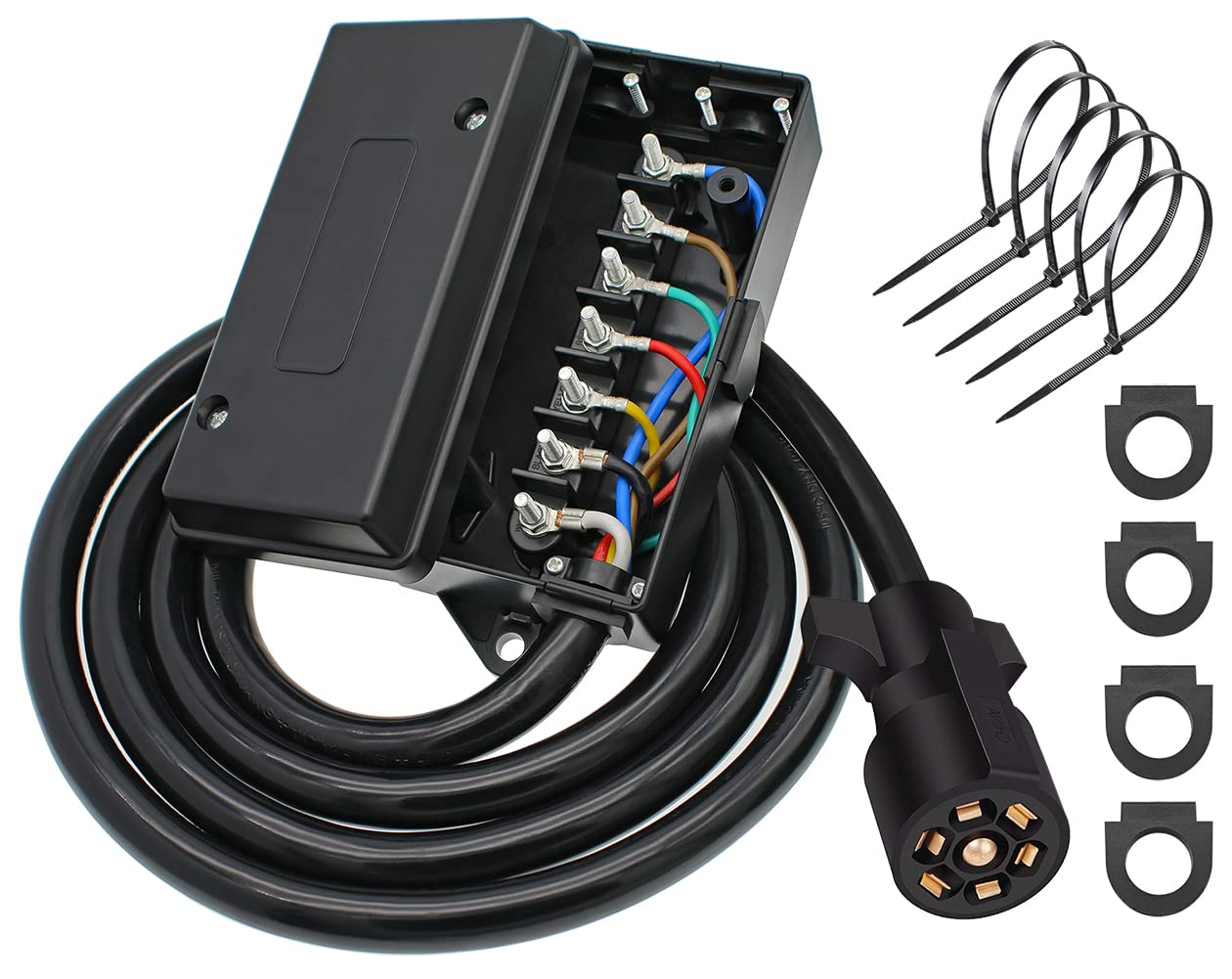
So, you're looking to beef up your Jeep JK's towing capabilities with a 7-pin trailer wiring harness kit? Smart move! This isn't just about plugging in and hoping for the best. Understanding the wiring is crucial for safe and reliable towing, whether you're hauling a camper, a boat, or just a utility trailer. This article will give you a detailed breakdown of a typical Jeep JK 7-pin trailer wiring harness kit, covering everything from the purpose of the wiring to troubleshooting common issues. We'll treat this as if we're side-by-side in the garage, going through the wiring schematic together.
Purpose: Why a 7-Pin Harness Matters
A 7-pin connector is the gold standard for towing, especially with heavier trailers that require electric brakes and auxiliary power. Compared to a basic 4-pin connector (which only handles lights – running lights, brake lights, and turn signals), the 7-pin adds essential functionality. Understanding this wiring diagram is critical for several reasons:
- Safe Towing: Electric brakes are vital for controlling heavier trailers. Incorrect wiring can lead to brake failure, which is extremely dangerous.
- Troubleshooting: When your trailer lights malfunction, knowing the wiring diagram helps you pinpoint the problem quickly, saving you time and frustration.
- Customization: Want to add an auxiliary power connection to charge a trailer battery or run accessories? Understanding the wiring is essential for safe and effective modifications.
- Repair: Damaged wiring is inevitable when dealing with the elements and off-road adventures. The diagram will be your guide for fixing any breaks or shorts.
Key Specs and Main Parts
Let's talk about the components you'll typically find in a Jeep JK 7-pin trailer wiring harness kit:
- 7-Pin Connector: This is the interface between your Jeep and the trailer. It's usually mounted near the hitch receiver.
- Wiring Harness: This is the bundle of wires that connect the 7-pin connector to your Jeep's electrical system. Quality harnesses use heavy-gauge wire and are often weather-resistant. Look for harnesses that use a "T-connector" or "plug-and-play" design, which simplifies installation by tapping directly into your existing taillight wiring without cutting.
- Brake Controller Connector: This is a crucial part of the kit. It provides a connection point for your electric brake controller inside the Jeep's cabin. The controller allows you to manually adjust the trailer brakes, providing greater control, especially in emergency situations.
- Power Wire: A heavy-gauge wire that runs from the Jeep's battery (usually through a fuse or circuit breaker) to the 7-pin connector. This wire provides power for the trailer's auxiliary functions and battery charging.
- Ground Wire: A dedicated ground wire ensures a solid electrical connection between the Jeep and the trailer. A poor ground can cause all sorts of electrical problems.
- Fuses and Circuit Breakers: These protect your Jeep's electrical system and the trailer wiring from overloads and short circuits. Check the amperage ratings of these fuses and breakers before replacing them.
Symbols: Decoding the Diagram
Understanding the wiring diagram is all about deciphering the symbols. Here's a breakdown of the common ones:
- Lines: These represent wires. A solid line usually indicates a direct connection, while a dashed line might indicate a connection that's made through a switch or relay. The thickness of the line might indicate the wire gauge (thicker lines = thicker wires = higher current capacity).
- Colors: Wire colors are standardized to help you identify each circuit. While the exact colors may vary slightly between manufacturers, here are the common ones and their functions:
- White: Ground
- Brown: Tail Lights/Running Lights
- Yellow: Left Turn Signal/Brake Light
- Green: Right Turn Signal/Brake Light
- Red: Stop Lamps (Brake Lights)
- Blue: Electric Brakes
- Black: 12V Power (Auxiliary Power/Battery Charging)
- Circles and Squares: These often represent connectors, fuses, relays, or other electrical components. Pay attention to any labels or notations near these symbols to understand their function.
- Ground Symbol (usually three horizontal lines decreasing in length): Indicates a connection to the vehicle's chassis ground.
- Battery Symbol: Indicates a connection to the vehicle's battery.
How It Works: The Electrical Flow
The 7-pin harness works by tapping into your Jeep's existing electrical system. When you activate your Jeep's lights or brakes, the corresponding signals are sent through the wiring harness to the trailer. The brake controller sends a signal to the trailer brakes based on the Jeep's deceleration and the controller's settings. The auxiliary power wire provides a constant 12V supply to the trailer for charging its battery or running accessories. The ground wire completes the circuit, providing a return path for the electrical current.
The beauty of the 7-pin system lies in its completeness. All essential trailer functions are integrated into a single connector, simplifying the connection process and reducing the risk of wiring errors. The inclusion of a dedicated wire for electric brakes is a major safety advantage, allowing for more precise and controlled stopping power, especially when towing heavy loads.
Real-World Use: Basic Troubleshooting
Okay, things aren't working as they should. Here are some common issues and how to address them:
- No Lights:
- Check all fuses on the Jeep and the trailer.
- Inspect the ground connection. A loose or corroded ground is the most common culprit.
- Use a multimeter to check for voltage at the 7-pin connector.
- Inspect the wiring for any breaks, shorts, or corrosion.
- Brakes Not Working:
- Check the brake controller connection and settings.
- Inspect the blue wire (electric brakes) for any breaks or shorts.
- Test the brake magnets on the trailer.
- Dim or Flickering Lights:
- This is often caused by a poor ground connection.
- Check for corrosion on the connector pins.
- Make sure the trailer's battery (if equipped) is fully charged.
A multimeter is your best friend for electrical troubleshooting. Learn how to use it to check for voltage, continuity, and resistance. Remember to always disconnect the trailer from the Jeep before working on the wiring. Safety First!
Safety: Handle with Care
Working with electricity can be dangerous. Here are some key safety precautions:
- Disconnect the Battery: Always disconnect the Jeep's battery before working on the wiring to prevent accidental shorts.
- Use Proper Tools: Use insulated tools designed for electrical work.
- Wear Safety Glasses: Protect your eyes from sparks and debris.
- Don't Overload Circuits: Make sure you're using the correct fuse or circuit breaker size for each circuit. Overloading circuits can cause fires.
- Proper Wire Gauges: Always use the proper wire gauge for the application. Using too small of a gauge can cause overheating and fires. The blue wire for electric brakes needs to be sized correctly for the number of axles on the trailer and the length of the run.
The brake controller is a particularly risky component. Incorrect installation or wiring can lead to brake failure. If you're not comfortable working with electrical systems, it's best to have a professional install the 7-pin harness and brake controller.
Always remember to double-check your work and test all functions before hitting the road. A properly wired 7-pin harness is essential for safe and enjoyable towing.
We have a detailed wiring diagram file that you can download. It includes specific wire color codes and component locations for a typical Jeep JK 7-pin trailer wiring harness kit. With this guide and the diagram in hand, you'll be well-equipped to install, troubleshoot, and maintain your towing setup.