
Jeep Wrangler Door Wiring Harness Replacement
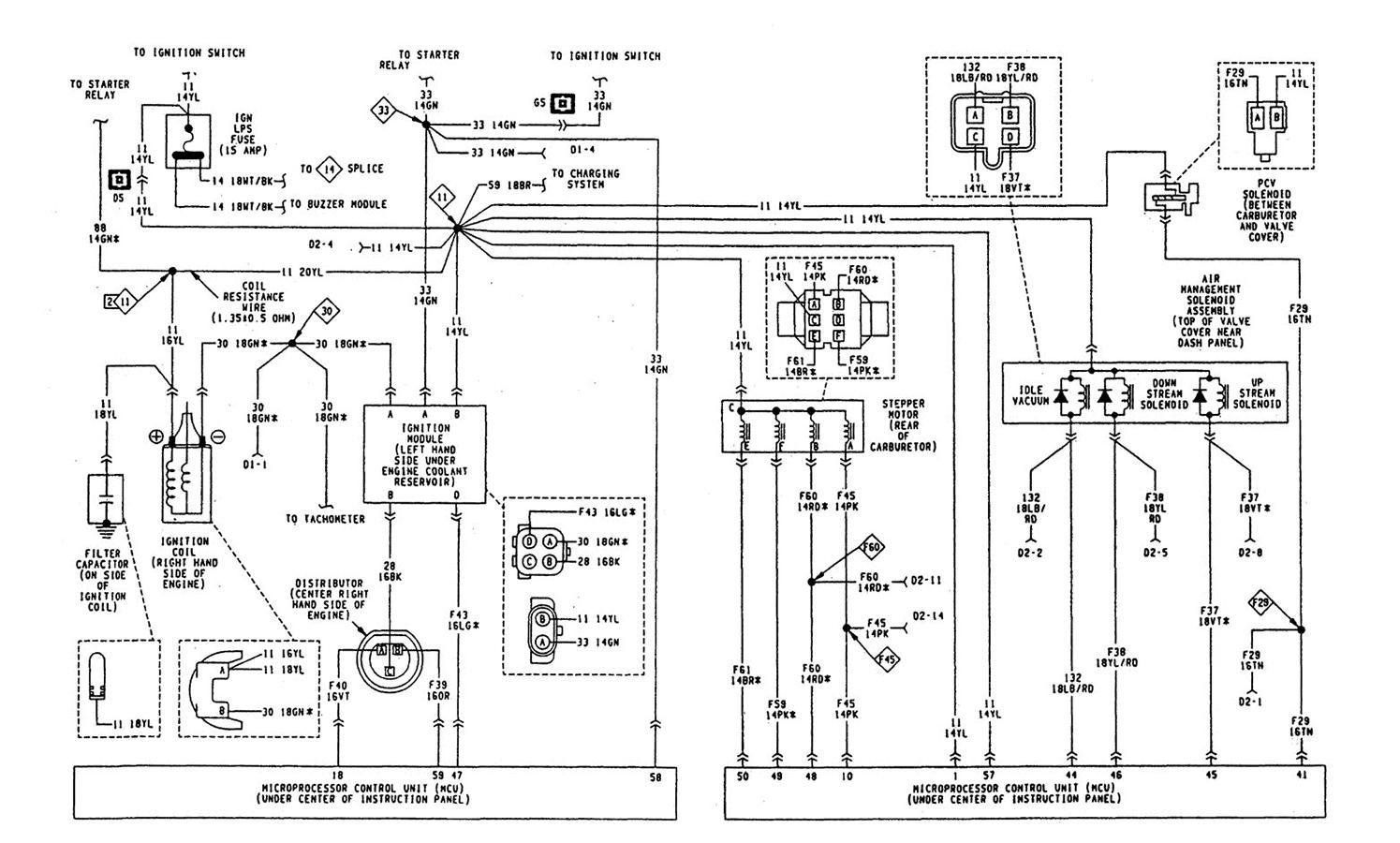
The Jeep Wrangler, particularly the JK and JL generations, is renowned for its modular design, making it a favorite among off-road enthusiasts and DIY mechanics. One common area for modification and repair is the door wiring harness. Understanding and potentially replacing this harness is a manageable task with the right knowledge and tools. This article will provide a comprehensive guide to the Jeep Wrangler door wiring harness, focusing on its purpose, key components, troubleshooting, and safety considerations.
Purpose of the Door Wiring Harness
The door wiring harness is the umbilical cord connecting the door's electrical components to the Jeep's main electrical system. It's responsible for transmitting power and signals to various components within the door, including:
- Power windows
- Power door locks
- Side mirrors (if equipped)
- Speakers
- Door jamb switch (controls dome light)
- Power Steps (if equipped)
The wiring harness is critical for these components to function correctly. Over time, the constant opening and closing of the door can cause wear and tear on the wires, leading to shorts, breaks, and malfunctions. Replacing the harness becomes necessary when troubleshooting electrical issues that consistently affect door-related functions.
Key Specs and Main Parts
A typical Jeep Wrangler door wiring harness consists of the following:
- Wire Bundle: This is the core of the harness, comprising multiple wires of varying gauges (thickness) bundled together. The gauge of the wire determines its current-carrying capacity. Common gauges include 18 AWG (American Wire Gauge) for signal wires and 14-16 AWG for power wires.
- Connectors: These are the plastic housings that plug into the Jeep's main wiring and the individual components within the door. They provide a secure and weatherproof connection. Key connector types include multi-pin connectors for the main interface and smaller connectors for individual components.
- Protective Sheathing: This is a flexible conduit (usually corrugated plastic) that protects the wires from abrasion, moisture, and physical damage.
- Ground Wires: Typically a black wire connected to a grounding point on the door frame, providing a return path for electrical current.
- Terminals: Metal contacts crimped onto the ends of the wires to ensure a secure electrical connection within the connectors.
Specific wire colors and connector configurations vary depending on the Jeep Wrangler model year and trim level. For example, a JK Wrangler Sahara with power windows and locks will have a more complex harness than a basic JK Wrangler Sport.
Understanding Wiring Diagram Symbols
Wiring diagrams use standardized symbols to represent electrical components and connections. Familiarizing yourself with these symbols is crucial for understanding the harness layout and troubleshooting problems.
- Lines: Represent wires. Solid lines indicate a direct connection, while dashed lines may indicate a shielded wire or a connection that is not always present (e.g., optional feature).
- Wire Colors: Each wire is identified by a color code (e.g., BK for Black, RD for Red, GN for Green, WT for White, YL for Yellow, BL for Blue). Some wires may have a primary color and a tracer (a thin stripe of a different color). For example, a wire labeled "GN/WT" is a green wire with a white tracer.
- Connectors: Represented by various shapes, often rectangles or circles with pins indicated. Connectors are usually labeled with a unique identifier (e.g., C101, C205) which is referenced in the wiring diagram.
- Grounds: Symbolized by a downward-pointing arrow connected to a horizontal line, indicating a connection to the vehicle's chassis ground.
- Fuses: Represented by a squiggly line within a rectangle, indicating a circuit protection device.
- Switches: Represented by various symbols depending on the type of switch (e.g., single-pole single-throw (SPST), single-pole double-throw (SPDT)).
- Relays: Represented by a coil symbol and a set of contacts, indicating an electromechanical switch.
Understanding these symbols allows you to trace circuits and identify potential points of failure within the wiring harness.
How It Works: The Electrical Flow
The door wiring harness serves as a conduit for electrical current, allowing the various components in the door to operate. Here's a simplified explanation of the electrical flow:
- Power Source: The electrical current originates from the Jeep's battery and is distributed through the vehicle's electrical system via the power distribution center (PDC), which houses fuses and relays.
- Circuit Protection: A fuse protects the door circuits from overcurrent. If a short circuit occurs, the fuse blows, interrupting the current flow and preventing damage to the wiring and components.
- Switch Activation: When you activate a switch (e.g., power window switch), it completes a circuit, allowing current to flow to the corresponding component.
- Component Operation: The current energizes the component (e.g., power window motor), causing it to perform its function.
- Ground Return: After passing through the component, the current returns to the battery via the ground wire, completing the circuit.
The wiring harness provides the pathways for this electrical flow, ensuring that each component receives the necessary power and signals to operate correctly.
Real-World Use: Basic Troubleshooting Tips
Replacing a door wiring harness often stems from troubleshooting electrical issues. Here are some common problems and basic troubleshooting tips:
- Problem: Power windows not working. Possible Causes: Blown fuse, faulty window switch, broken wire in the harness, faulty window motor. Troubleshooting Steps: Check the fuse, test the window switch with a multimeter, inspect the wiring harness for visible damage, test the window motor directly with a 12V power source.
- Problem: Door locks not working. Possible Causes: Blown fuse, faulty door lock actuator, broken wire in the harness, faulty door lock switch. Troubleshooting Steps: Check the fuse, test the door lock switch with a multimeter, inspect the wiring harness for visible damage, test the door lock actuator directly with a 12V power source.
- Problem: Intermittent problems that occur when the door is opened or closed. Possible Cause: Broken or frayed wires within the harness due to repeated flexing. Troubleshooting Steps: Carefully inspect the harness where it passes from the door frame to the door. Look for signs of damage to the wires or sheathing. A continuity test with a multimeter while flexing the harness can help identify broken wires.
A multimeter is an essential tool for electrical troubleshooting. It allows you to measure voltage, current, and resistance, helping you pinpoint the source of the problem.
Safety Considerations
Working with electrical systems involves inherent risks. Prioritize safety when replacing the door wiring harness:
- Disconnect the Battery: Always disconnect the negative battery terminal before working on any electrical component. This prevents accidental short circuits and electrical shocks.
- Identify Risky Components: Be aware of components that may store electrical energy, such as capacitors. Allow sufficient time for them to discharge before handling them.
- Use Proper Tools: Use insulated tools designed for electrical work. This minimizes the risk of electrical shock.
- Work in a Well-Lit Area: Good lighting is essential for seeing what you're doing and avoiding mistakes.
- Consult the Wiring Diagram: The wiring diagram is your roadmap. Refer to it frequently to ensure you're connecting the wires correctly.
- Double-Check Your Work: Before reconnecting the battery, double-check all connections to ensure they are secure and correct.
The airbag system is particularly sensitive. Improper handling of airbag wiring can lead to accidental deployment, causing serious injury. If you are not comfortable working with airbag systems, it is best to consult a qualified technician.
Replacing a Jeep Wrangler door wiring harness is a task that requires patience, attention to detail, and a good understanding of basic electrical principles. By following this guide and consulting the wiring diagram, you can successfully complete this repair and keep your Jeep's electrical system functioning properly.
We have a detailed Jeep Wrangler door wiring diagram file available. Please reach out if you would like to download a copy for your reference.