
Jeep Wrangler Serpentine Belt Diagram
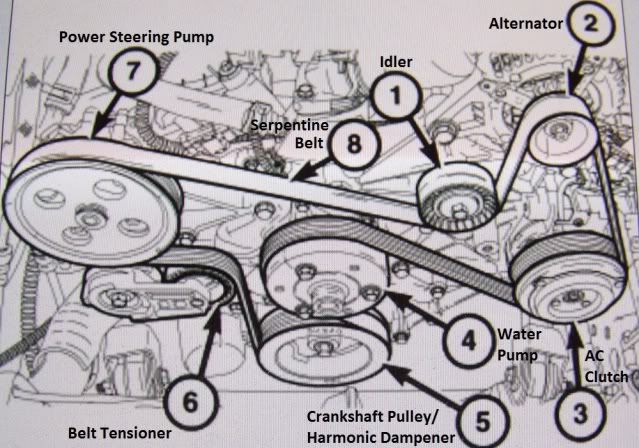
Alright, let's dive into the serpentine belt diagram for your Jeep Wrangler. Understanding this diagram is crucial for a variety of reasons, whether you're performing routine maintenance, diagnosing a squealing noise, or even tackling a full-blown engine rebuild. Consider this your comprehensive guide to deciphering the often-intimidating serpentine belt routing on your Wrangler.
Purpose: Why You Need This Diagram
The serpentine belt diagram serves as a visual roadmap for how the serpentine belt is routed around various engine components. Its primary purposes include:
- Accurate Belt Replacement: This is the most common use. When replacing a worn or broken belt, the diagram ensures you install the new belt correctly. An incorrectly routed belt can lead to component failure and even engine damage.
- Troubleshooting: A slipping or squealing belt can often be traced back to a misaligned or incorrectly tensioned belt. The diagram helps you verify proper routing and tensioner function.
- Component Diagnosis: If a specific component, like the power steering pump or alternator, isn't functioning correctly, the diagram helps you understand how the belt interacts with that component, aiding in the diagnostic process.
- Learning Engine Layout: For those new to working on their Wranglers, the diagram provides a visual overview of the engine accessory layout.
Key Specs and Main Parts
Before we delve into the diagram itself, let's establish some common ground by identifying the key components and specifications involved.
Common Wrangler Engines & Serpentine Belt Configurations
Wranglers have seen several engine options over the years. The serpentine belt configuration varies depending on the engine type. Here are a few common examples:
- 3.6L Pentastar V6 (JK & JL): This is a very common engine in recent Wranglers. The serpentine belt typically drives the alternator, power steering pump, air conditioning compressor, and water pump.
- 3.8L V6 (JK): Found in earlier JK models, this engine has a slightly different layout than the 3.6L.
- 4.0L Inline-Six (TJ & YJ): A legendary engine! Its serpentine belt configuration is relatively simple compared to newer engines.
- 2.0L Turbocharged Inline-Four (JL): This newer engine features a unique layout with potentially different accessory drives.
Essential Components Driven by the Serpentine Belt:
- Crankshaft Pulley (or Damper): This is the driving force behind the entire system. It receives power directly from the engine.
- Alternator: Generates electricity to power the vehicle's electrical system and charge the battery.
- Power Steering Pump: Provides hydraulic pressure to assist with steering.
- Air Conditioning Compressor: Compresses refrigerant to cool the cabin.
- Water Pump: Circulates coolant throughout the engine to prevent overheating.
- Idler Pulley(s): These smooth pulleys guide the belt and maintain proper tension. They are not directly connected to any driven component.
- Tensioner Pulley: A spring-loaded pulley that maintains constant tension on the belt, preventing slippage. This is a critical component.
Key Specs to Note:
- Belt Length: This is specified in millimeters or inches. Use the correct length belt for your engine model. Consult your owner's manual or parts catalog.
- Belt Width: Generally standardized, but it's worth verifying.
- Number of Ribs: The belt has longitudinal ribs that mate with grooves on the pulleys. Ensure the new belt matches the number of ribs of the old one.
- Tension Specification: While most tensioners are self-adjusting, some older vehicles may require manual tension adjustment. Consult your service manual for specific torque or tension requirements.
Decoding the Diagram: Symbols, Lines, and Colors
Serpentine belt diagrams employ a standardized set of visual cues to convey information. Here's what to look for:
- Solid Lines: These represent the path of the serpentine belt itself. Follow the line to see which pulleys the belt wraps around.
- Dashed Lines: Often indicate the *direction of rotation* for each pulley. This is vital for understanding how the belt is driven.
- Arrows: Reinforce the direction of rotation. An arrow curving around a pulley indicates which way it spins.
- Component Labels: Each pulley will be labeled with an abbreviation representing the component it drives (e.g., ALT for Alternator, P/S for Power Steering, A/C for Air Conditioning).
- Tensioner Symbol: The tensioner pulley is usually depicted with a special symbol to distinguish it from the other pulleys, sometimes shown with an arc indicating its range of movement.
- Colors: While not always present, some diagrams use colors to highlight specific sections of the belt path or to differentiate between different engine configurations.
A well-designed diagram will clearly show the *routing direction* around each pulley, the location of the tensioner, and the direction in which the belt moves.
How It Works: The Serpentine System in Action
The serpentine belt system is a clever design that uses a single belt to drive multiple engine accessories. The crankshaft pulley is the heart of the system, transferring rotational power from the engine to the belt. As the crankshaft spins, it drives the belt, which in turn rotates the pulleys attached to the alternator, power steering pump, air conditioning compressor, and water pump. The tensioner pulley plays a crucial role in maintaining consistent belt tension, preventing slippage and ensuring efficient power transfer.
Think of it like a series of gears linked together by a chain. Each gear (pulley) performs a specific function, and the chain (belt) ensures that they all work in sync. If the belt is loose or improperly routed, the gears won't turn efficiently, leading to performance issues.
Real-World Use: Troubleshooting Tips
Here are some common issues you might encounter and how the serpentine belt diagram can help:
- Squealing Belt: Often caused by a loose or worn belt. Verify the belt is properly routed according to the diagram and that the tensioner is functioning correctly. Check the belt for cracks, glazing, or missing ribs.
- Loss of Power Steering: If the power steering pump isn't receiving power, double-check the belt routing to ensure it's properly engaged with the power steering pulley.
- Overheating: A malfunctioning water pump due to a slipping belt can lead to overheating. Again, verify the belt routing and tension.
- No Air Conditioning: Similar to power steering, a slipping belt can prevent the A/C compressor from engaging.
- Battery Not Charging: A slipping belt may prevent the alternator from generating sufficient electricity.
When troubleshooting, always start with a visual inspection. Compare the actual belt routing to the diagram to identify any discrepancies. Check the tensioner for proper movement and spring force. Look for signs of wear or damage on the belt itself.
Safety First: Highlighting Risky Components
Working on the serpentine belt system involves certain hazards. Here are some key safety precautions:
- Disconnect the Battery: Before working on any electrical components (like the alternator), disconnect the negative battery cable to prevent short circuits.
- Hot Engine: Never work on the serpentine belt system when the engine is hot. Allow the engine to cool completely before starting any repairs.
- Rotating Parts: Keep hands, clothing, and tools away from rotating parts. The crankshaft pulley and other pulleys can cause serious injury.
- Tensioner Spring: The tensioner pulley is spring-loaded and can snap back forcefully if not handled carefully. Use the correct tools to release the tension before removing the belt.
- Eye Protection: Wear safety glasses to protect your eyes from debris.
- Refer to Service Manual: Always consult your Jeep Wrangler's service manual for specific instructions and torque specifications.
Remember, safety is paramount. If you're unsure about any aspect of the repair, it's best to consult a qualified mechanic.
This article gives you a comprehensive understanding of your Jeep Wrangler's serpentine belt diagram. With this knowledge, you'll be better equipped to perform maintenance, diagnose problems, and keep your Wrangler running smoothly.