
Mustang 2 Rack And Pinion Hose Diagram
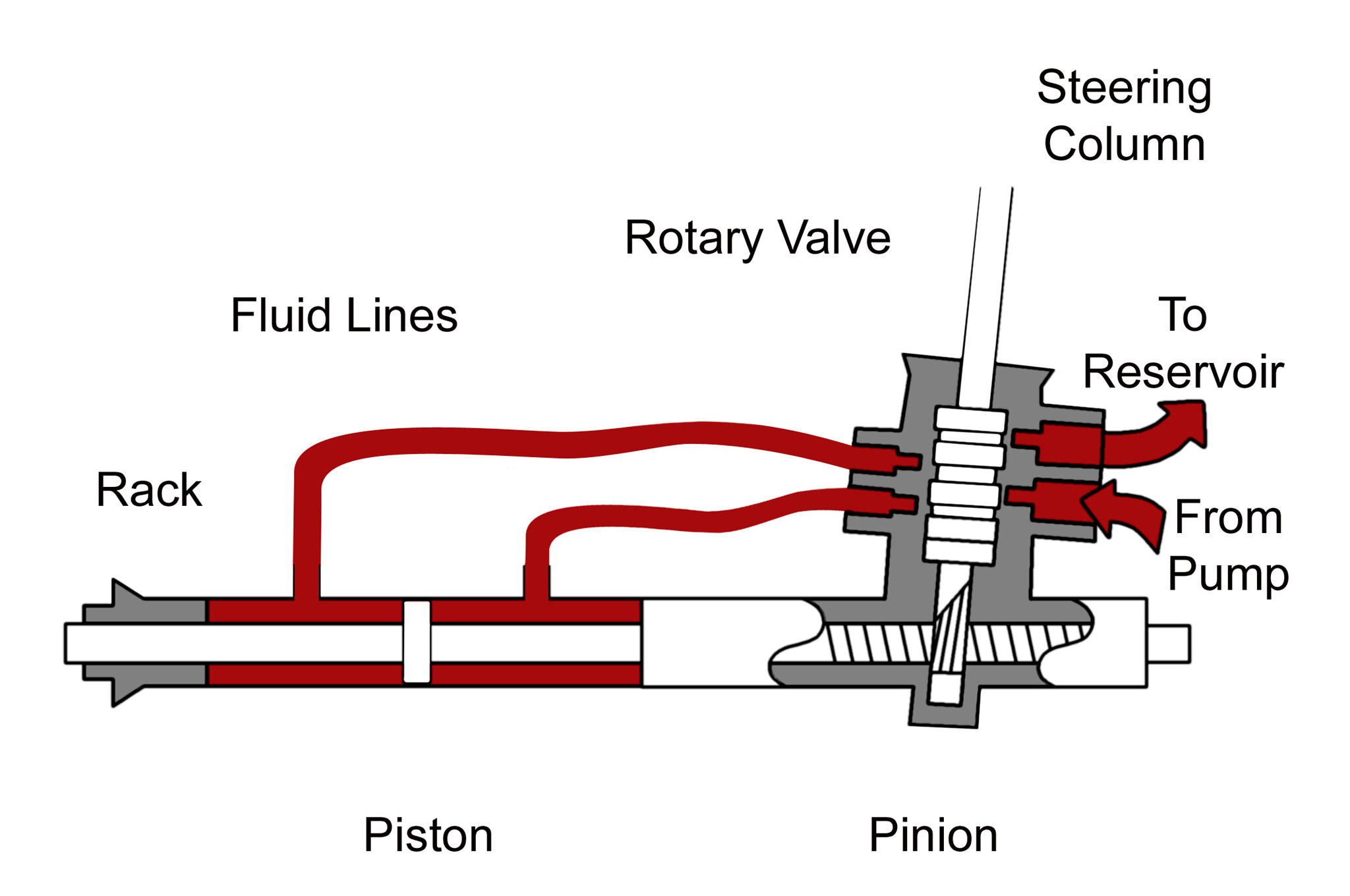
The Mustang II, produced from 1974 to 1978, often gets a bad rap. But its compact size and relatively simple mechanics make it a popular platform for engine swaps and other modifications. One area often overlooked, but critical for safe and reliable operation, is the power steering system. Specifically, understanding the Mustang II rack and pinion hose diagram is essential for troubleshooting leaks, replacing worn components, or even upgrading the system entirely.
Purpose of the Rack and Pinion Hose Diagram
Why bother with a hose diagram? Several reasons. First, a diagram provides a clear visual representation of how the system components are connected. This is invaluable when diagnosing leaks. Knowing exactly where each hose runs and connects allows you to pinpoint the source of the problem quickly. Second, during component replacement, the diagram ensures you install the new parts correctly. Power steering systems operate under high pressure, and incorrect connections can lead to catastrophic failures and potential injury. Finally, if you're contemplating modifications, such as upgrading to a high-performance pump or installing a different rack and pinion unit, the diagram serves as a baseline reference for understanding the original system configuration and adapting your modifications accordingly.
Key Specs and Main Parts
Let's break down the key specifications and main components of the Mustang II's power steering system. Keep in mind that there might be variations depending on the specific year and trim level of your Mustang II, but the basic principles remain the same.
- Power Steering Pump: This is the heart of the system, driven by the engine (usually via a belt). It generates the hydraulic pressure needed to assist steering.
- Power Steering Fluid Reservoir: This holds the power steering fluid, providing a supply to the pump.
- High-Pressure Hose: This hose carries the high-pressure fluid from the pump to the rack and pinion. It's often reinforced with steel braiding to withstand the immense pressure.
- Rack and Pinion Unit: This is the steering mechanism itself. It translates the rotational movement of the steering wheel into linear movement to steer the wheels. It houses the control valve which directs fluid to either side of the piston depending on which way the steering wheel is turned.
- Return Hose: This hose carries the low-pressure fluid from the rack and pinion back to the reservoir.
- Fittings and Connectors: These connect the hoses to the various components. It's crucial to use the correct fittings and ensure they are properly tightened to prevent leaks.
The operating pressure of a typical Mustang II power steering system is around 800-1200 PSI (pounds per square inch). This high pressure underscores the importance of using high-quality hoses and fittings designed for power steering applications.
Diagram Symbols Explained
Understanding the symbols used in the hose diagram is critical for interpreting it correctly. Here's a breakdown of common symbols:
- Solid Lines: Generally represent hoses or fluid lines. The thickness of the line might indicate the diameter of the hose.
- Dashed Lines: Can represent vacuum lines or control lines. They may also indicate a hidden hose running behind other components.
- Arrows: Indicate the direction of fluid flow. This is important for ensuring correct hose connections.
- Circles: Often represent fittings, connectors, or pressure sensors.
- Rectangles: Typically represent components like the power steering pump, reservoir, or rack and pinion unit.
- Color Coding: Some diagrams use color coding to differentiate between high-pressure and low-pressure lines. Red might represent high-pressure, while blue might represent low-pressure. Always refer to the diagram's legend to understand the color scheme.
Modern diagrams often use 3D renderings to clearly illustrate the hose routing around other engine components. Older diagrams might be simpler, using basic symbols and text labels.
How It Works
The power steering system works by using hydraulic pressure to assist the driver in turning the steering wheel. When the engine is running, the power steering pump draws fluid from the reservoir and pressurizes it. This high-pressure fluid is then sent to the rack and pinion unit via the high-pressure hose. Inside the rack and pinion, a rotary valve, connected to the steering shaft, directs the fluid to either side of a piston. When you turn the steering wheel, the rotary valve opens a passage allowing the high-pressure fluid to push the piston in the desired direction. This piston is connected to the steering rack, which in turn moves the tie rods and steers the wheels. The fluid on the opposite side of the piston is then returned to the reservoir via the return hose. The level of assistance is proportional to the force applied at the steering wheel. Less effort from the driver is required, especially at lower speeds.
Real-World Use and Troubleshooting
The most common problem encountered with Mustang II power steering systems is leaks. Use the hose diagram to trace the path of the hoses and inspect for cracks, worn fittings, or loose connections. Common leak areas include:
- Hose Connections: Where the hoses connect to the pump, rack and pinion, and reservoir.
- Hose Body: Cracks or splits in the hose itself, especially near bends or clamps.
- Pump Shaft Seal: Leaks from the front of the pump indicate a failing seal.
- Rack and Pinion Seals: Leaks from the rack and pinion housing indicate failing internal seals.
If you suspect a leak, clean the area thoroughly and then monitor it to see where the fluid is originating. A UV dye can be added to the power steering fluid to make leaks easier to identify under a UV light. Always use the correct type of power steering fluid specified in your owner's manual or service manual. Using the wrong fluid can damage the pump and seals.
Other common issues include:
- No Power Assist: Check the fluid level, pump belt, and pump pressure. A failing pump or low fluid level can cause a complete loss of power assist.
- Noisy Steering: Whining or groaning noises can indicate a low fluid level, air in the system, or a failing pump.
- Erratic Steering: Can be caused by air in the system, a failing rotary valve in the rack and pinion, or worn tie rod ends.
Safety Considerations
Working on power steering systems involves certain risks. The high pressure in the system can cause serious injury if a hose bursts or a fitting fails. Always relieve the pressure in the system before disconnecting any hoses. This can be done by loosening the pressure cap on the power steering fluid reservoir with the engine off. Even after relieving the pressure, residual pressure may remain, so exercise caution when disconnecting hoses. Wear safety glasses to protect your eyes from fluid spray. Power steering fluid is harmful if swallowed, so avoid getting it on your skin and wash your hands thoroughly after working on the system. When tightening fittings, use a torque wrench to ensure they are properly tightened to prevent leaks. Overtightening can damage the fittings and cause them to fail.
The high-pressure hose is a particularly risky component. Because it carries the highest pressure, it's more prone to bursting if it's damaged or worn. Always inspect the high-pressure hose carefully for any signs of wear or damage, and replace it if necessary. Use only high-quality replacement hoses designed for power steering applications.
By understanding the Mustang II rack and pinion hose diagram and following safe practices, you can effectively diagnose and repair your power steering system, ensuring safe and reliable steering performance.
We have the rack and pinion hose diagram file available. Please reach out to us to request the file download.