
Nissan Altima Front Suspension Diagram
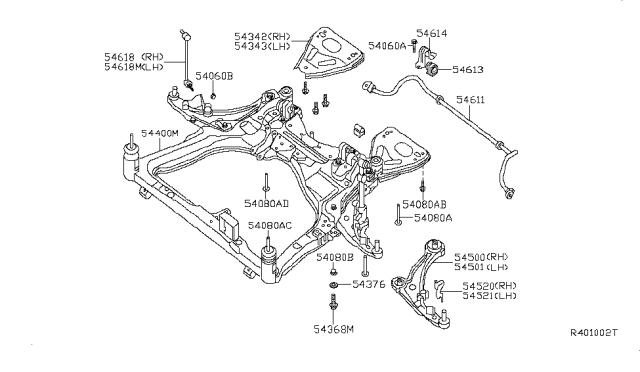
Understanding your Nissan Altima's front suspension is crucial for effective maintenance, repairs, and even performance upgrades. This article provides a detailed overview of the Altima's front suspension diagram, covering key components, functionality, troubleshooting tips, and safety considerations. Whether you're tackling a DIY repair or simply expanding your automotive knowledge, this information will prove invaluable.
Why Bother Understanding the Front Suspension Diagram?
The front suspension diagram is your roadmap to understanding how your Altima's front end functions. It's not just a pretty picture; it's a critical tool for:
- Troubleshooting: Diagnosing noises, handling issues, and uneven tire wear often starts with visually inspecting the suspension using the diagram as a guide.
- Repairs: Replacing worn components like ball joints, struts, or control arms requires accurate identification and understanding of their relationships within the system.
- Modifications: Planning upgrades like lowering springs or performance struts demands a solid grasp of the suspension geometry and potential impacts.
- Preventative Maintenance: Regular inspection of suspension components, guided by the diagram, can identify potential problems early, preventing costly repairs down the road.
- General Knowledge: Simply understanding how your car works is empowering and makes you a more informed car owner.
Key Specs and Main Parts of the Altima Front Suspension
The Nissan Altima, depending on the model year, primarily uses a MacPherson strut front suspension. This is a common and effective design known for its relatively simple construction and good handling characteristics. Here's a breakdown of the key components:
- MacPherson Strut: This is the heart of the system. It combines the shock absorber and coil spring into a single unit. The strut is responsible for damping (controlling spring oscillation) and supporting the vehicle's weight.
- Coil Spring: The coil spring provides the primary suspension action, absorbing bumps and maintaining ride height. Its stiffness is a key factor in determining ride quality and handling.
- Lower Control Arm: This arm connects the wheel hub to the vehicle's frame. It allows the wheel to move up and down while maintaining its position relative to the chassis.
- Ball Joint: Located at the end of the control arm, the ball joint allows the wheel hub to pivot, enabling steering. Ball joints are critical for smooth steering and are a common wear item.
- Tie Rod End: Connects the steering rack to the steering knuckle. The tie rod end transfers steering input from the steering wheel to the wheels.
- Steering Knuckle (or Spindle): This component holds the wheel hub, bearings, and brake components. It pivots on the ball joint and is connected to the steering system via the tie rod.
- Sway Bar (or Stabilizer Bar): Connects the left and right sides of the suspension. It resists body roll during cornering, improving handling stability.
- Sway Bar Link: Connects the sway bar to the strut or control arm. These links transfer the sway bar's force to the suspension components.
- Wheel Hub and Bearings: The hub is the central part of the wheel assembly, and the bearings allow the wheel to rotate smoothly.
Key Specs: While specific dimensions and spring rates vary by model year and trim level, understanding these parameters is helpful when replacing parts:
- Strut Length: The overall length of the strut assembly.
- Spring Rate: Measured in lbs/in or N/mm, indicates the spring's stiffness.
- Control Arm Length: The length of the lower control arm.
- Ball Joint Size: The diameter and thread pitch of the ball joint.
Understanding Symbols in the Diagram
A suspension diagram uses a variety of symbols to represent different components and their connections. Here's a general guide:
- Solid Lines: Typically represent physical components like control arms, struts, and tie rods.
- Dashed Lines: Often indicate hidden components or those located behind other parts. They can also represent lines of force or movement.
- Circles: May represent pivot points, such as ball joints or bushings.
- Arrows: Indicate the direction of movement or force.
- Hatching or Shading: Can denote different materials or assembly techniques.
Different diagrams may use slightly different conventions. A legend is often provided with the diagram to explain the specific symbols used.
How the Altima Front Suspension Works
Here's a simplified explanation of how the Altima's front suspension operates:
- Bump Absorption: When the wheel encounters a bump, the suspension compresses. The coil spring absorbs the impact energy, preventing it from being directly transmitted to the vehicle's frame.
- Damping: The strut's shock absorber controls the oscillation of the spring. It dampens the spring's rebound, preventing the vehicle from bouncing excessively.
- Steering: When the driver turns the steering wheel, the steering rack moves the tie rods, which in turn rotate the steering knuckles. This pivots the wheels, allowing the vehicle to turn.
- Roll Resistance: During cornering, the sway bar resists body roll. When one wheel rises and the other falls, the sway bar twists, transferring force between the wheels and reducing body lean.
Real-World Use: Basic Troubleshooting Tips
The front suspension diagram can be a valuable tool for troubleshooting common suspension problems:
- Clunking Noise: Could indicate a worn ball joint, tie rod end, sway bar link, or strut mount. Visually inspect these components for play or damage using the diagram to locate them.
- Squeaking Noise: Often caused by dry or worn bushings in the control arms or sway bar links. Lubricate or replace the bushings.
- Poor Handling: Could be due to worn struts, weak springs, or damaged control arms. A visual inspection and bounce test (pushing down on each corner of the car) can help identify the problem.
- Uneven Tire Wear: Can be caused by misaligned suspension components or worn ball joints. An alignment check is essential.
Remember, these are just basic troubleshooting steps. A thorough inspection by a qualified mechanic is recommended for complex issues.
Safety Considerations
Working on the front suspension can be dangerous due to compressed springs and the potential for sudden release of energy. Always follow these safety precautions:
- Spring Compressors: When removing or installing struts, always use properly rated spring compressors to safely compress the coil spring. Never attempt to disassemble a strut without using spring compressors. The spring can release with tremendous force, causing serious injury or death.
- Jack Stands: Always support the vehicle securely with jack stands before working underneath it. Never rely solely on a jack.
- Wheel Chocks: Use wheel chocks to prevent the vehicle from rolling.
- Eye Protection: Wear safety glasses to protect your eyes from debris.
- Disconnect Battery: Consider disconnecting the negative battery terminal to prevent accidental activation of electrical components.
- Torque Specifications: Always tighten fasteners to the manufacturer's specified torque values. Over-tightening can damage components, while under-tightening can lead to failure. Refer to your vehicle's service manual for the correct torque specifications.
High-Risk Components:
- Coil Springs: These store a large amount of energy and can be extremely dangerous if handled improperly.
- Ball Joints: If a ball joint fails, it can cause a loss of steering control, leading to an accident.
- Struts: Damaged or leaking struts can significantly affect handling and braking performance.
By following these safety precautions, you can minimize the risks associated with working on your Altima's front suspension.
By understanding the front suspension diagram, its components, and how they work together, you can effectively troubleshoot, repair, and maintain your Nissan Altima's front end, contributing to a safer and more enjoyable driving experience. With the knowledge gained from this guide, you're well-equipped to tackle a range of suspension-related tasks.
We have a detailed PDF diagram of the Nissan Altima's front suspension available for download. This diagram will provide a visual reference for all the components discussed in this article, making it easier to identify and understand their relationships within the system. Contact us to request access to the file.