
Nissan Altima Serpentine Belt Diagram
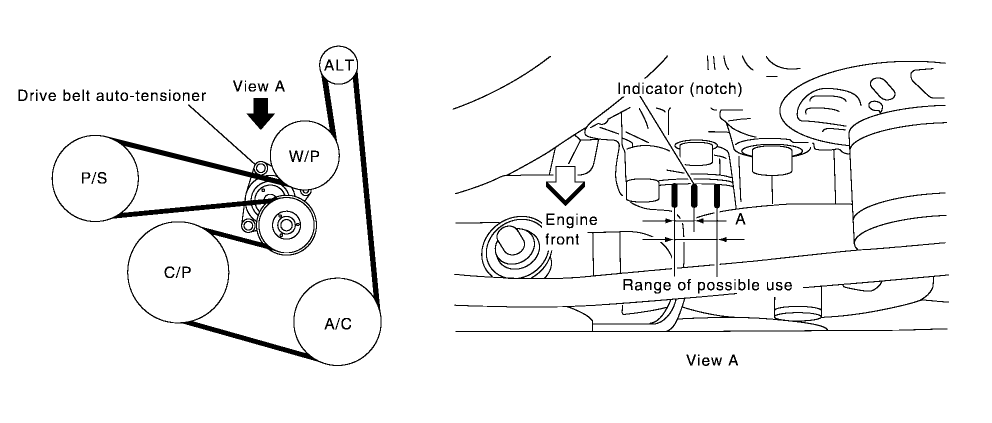
The serpentine belt in your Nissan Altima is a crucial component, responsible for powering several vital systems. Understanding its routing and condition is essential for preventative maintenance, troubleshooting, and repairs. This article provides a detailed explanation of the Altima's serpentine belt diagram, covering its purpose, key components, symbols, and practical applications.
Why You Need a Serpentine Belt Diagram
The serpentine belt, sometimes called an accessory drive belt, connects the engine's crankshaft to various components like the alternator, power steering pump, air conditioning compressor, and sometimes the water pump. A properly functioning belt ensures these systems operate efficiently. A failing or broken belt can lead to a loss of power steering, overheating, a dead battery, and a non-functional AC system. Having a diagram is invaluable for several reasons:
- Correct Installation: Ensuring the belt is routed correctly around each pulley is paramount. An incorrect routing can cause the belt to slip, damage components, or even break prematurely.
- Troubleshooting: A diagram helps identify potential issues. For example, if a particular accessory isn't working, you can trace the belt's path to that accessory's pulley to check for slippage or damage.
- Preventative Maintenance: Familiarity with the diagram allows you to visually inspect the belt and pulleys for wear, cracks, or misalignment. Early detection can prevent catastrophic failures.
- Repairs: When replacing the belt, the diagram serves as a reference, ensuring the new belt is routed identically to the old one. This is especially important when you have multiple pulleys and tensioners to navigate.
Key Specs and Main Parts of the Serpentine Belt System
Understanding the key components of the serpentine belt system is essential for interpreting the diagram effectively:
- Crankshaft Pulley: Driven directly by the engine's crankshaft, this pulley initiates the rotation of the serpentine belt.
- Alternator Pulley: Powered by the belt, the alternator generates electricity to charge the battery and power the electrical system.
- Power Steering Pump Pulley: This pulley drives the power steering pump, which provides hydraulic assistance for steering.
- Air Conditioning Compressor Pulley: Operates the AC compressor, which circulates refrigerant in the air conditioning system.
- Water Pump Pulley (Sometimes): In some Altima models, the water pump is driven by the serpentine belt. This pump circulates coolant through the engine to prevent overheating.
- Idler Pulley(s): These smooth pulleys guide the belt and maintain proper tension. They don't drive any accessories.
- Tensioner Pulley: This spring-loaded pulley applies constant tension to the belt, preventing slippage and ensuring optimal performance. The tensioner is crucial for keeping the belt tight.
- Serpentine Belt: The belt itself is made of reinforced rubber and transmits power between the crankshaft and the various accessory pulleys. Look for cracks, fraying, or glazing when inspecting.
Key Specs:
- Belt Length: Varies depending on the engine and model year. Refer to your owner's manual or a reputable parts supplier for the correct length.
- Belt Width: Also specific to the model.
- Rib Count: The number of ribs on the belt must match the grooves on the pulleys.
Understanding Serpentine Belt Diagram Symbols
Serpentine belt diagrams use standardized symbols to represent the various components and belt routing. Being able to read these symbols is crucial:
- Solid Lines: Represent the serpentine belt itself. The line shows the path the belt takes around each pulley.
- Arrows: Indicate the direction of belt rotation. This is important for ensuring the belt is routed correctly.
- Circles or Ovals: Represent pulleys. The diagram may label each pulley with the corresponding accessory (e.g., ALT for alternator, P/S for power steering).
- Tensioner Symbol: A small pulley with a spring or bracket symbol indicating the location of the tensioner. The diagram may also show the direction the tensioner needs to be moved to release tension on the belt during removal and installation.
- Dashed Lines (Less Common): May represent the back side of the belt running on a smooth idler pulley.
- Colors (Less Common): Some diagrams use colors to differentiate between the front and back sides of the belt or to highlight specific sections of the routing. Consult the diagram's key.
Diagrams may also include abbreviations for the accessories, such as:
- ALT: Alternator
- P/S: Power Steering
- A/C: Air Conditioning Compressor
- W/P: Water Pump
- IDL: Idler Pulley
- CRANK: Crankshaft
- TENS: Tensioner
How the Serpentine Belt System Works
The serpentine belt system is a relatively simple yet crucial power transmission system. The crankshaft pulley, driven by the engine's rotation, provides the initial power. The belt wraps around this pulley and then around the other accessory pulleys. As the crankshaft turns, it rotates the serpentine belt, which in turn rotates the pulleys of the alternator, power steering pump, AC compressor, and sometimes the water pump.
The tensioner pulley plays a vital role in maintaining the correct belt tension. Without proper tension, the belt will slip, resulting in reduced performance of the accessories. A slipping belt can also generate heat and wear out prematurely.
Real-World Use: Basic Troubleshooting Tips
Here are some common serpentine belt-related issues and how a diagram can help with troubleshooting:
- Squealing Noise: A common symptom of a slipping belt. Check the diagram to ensure the belt is routed correctly and the tensioner is functioning properly. Look for signs of belt wear or contamination (oil, coolant).
- Loss of Power Steering: If the power steering suddenly stops working, inspect the belt to see if it's broken or has slipped off the power steering pump pulley. Refer to the diagram to confirm the belt's path.
- Overheating: If the water pump is driven by the serpentine belt, a broken belt can cause the engine to overheat rapidly. Check the diagram to confirm the water pump's pulley is turning.
- Dead Battery: A broken or slipping belt can prevent the alternator from charging the battery. Use the diagram to verify the alternator pulley is being driven by the belt.
- Visual Inspection: Regularly inspect the belt for cracks, fraying, glazing (shiny surface), or missing chunks. The diagram helps you identify the correct belt routing for a thorough inspection.
Troubleshooting steps:
- Locate the serpentine belt diagram for your specific Altima model year and engine.
- Visually inspect the belt for wear, damage, or misalignment.
- Check the tensioner pulley for proper function. It should move smoothly and maintain consistent tension.
- Ensure all pulleys are aligned and free from damage.
- If the belt is slipping, try tightening the tensioner (if adjustable) or replacing the belt.
Safety Considerations
Working on the serpentine belt system can be dangerous if proper precautions are not taken:
- Engine Off: Always ensure the engine is completely off and the ignition key is removed before working on the belt system.
- Cool Engine: Allow the engine to cool down completely before working near the exhaust manifold or other hot components.
- Battery Disconnect: Disconnecting the negative battery terminal is recommended to prevent accidental electrical shorts.
- Moving Parts: Be extremely cautious around the rotating pulleys and the belt. Keep your hands, hair, and clothing clear of moving parts.
- Tensioner Spring: The tensioner spring can be very strong. Use the correct tools to release the tension and avoid injury. Wear safety glasses.
- Belt Shards: A broken serpentine belt can fling pieces of rubber and debris. Wear safety glasses during inspection and replacement.
Risky components:
- The spinning pulleys when the engine is running
- The tensioner's spring-loaded mechanism when releasing it
By understanding the serpentine belt system and following these safety guidelines, you can confidently perform maintenance and repairs on your Nissan Altima.
We have the serpentine belt diagram available for download. Please contact us to get the file.