
Nissan Frontier Serpentine Belt Diagram
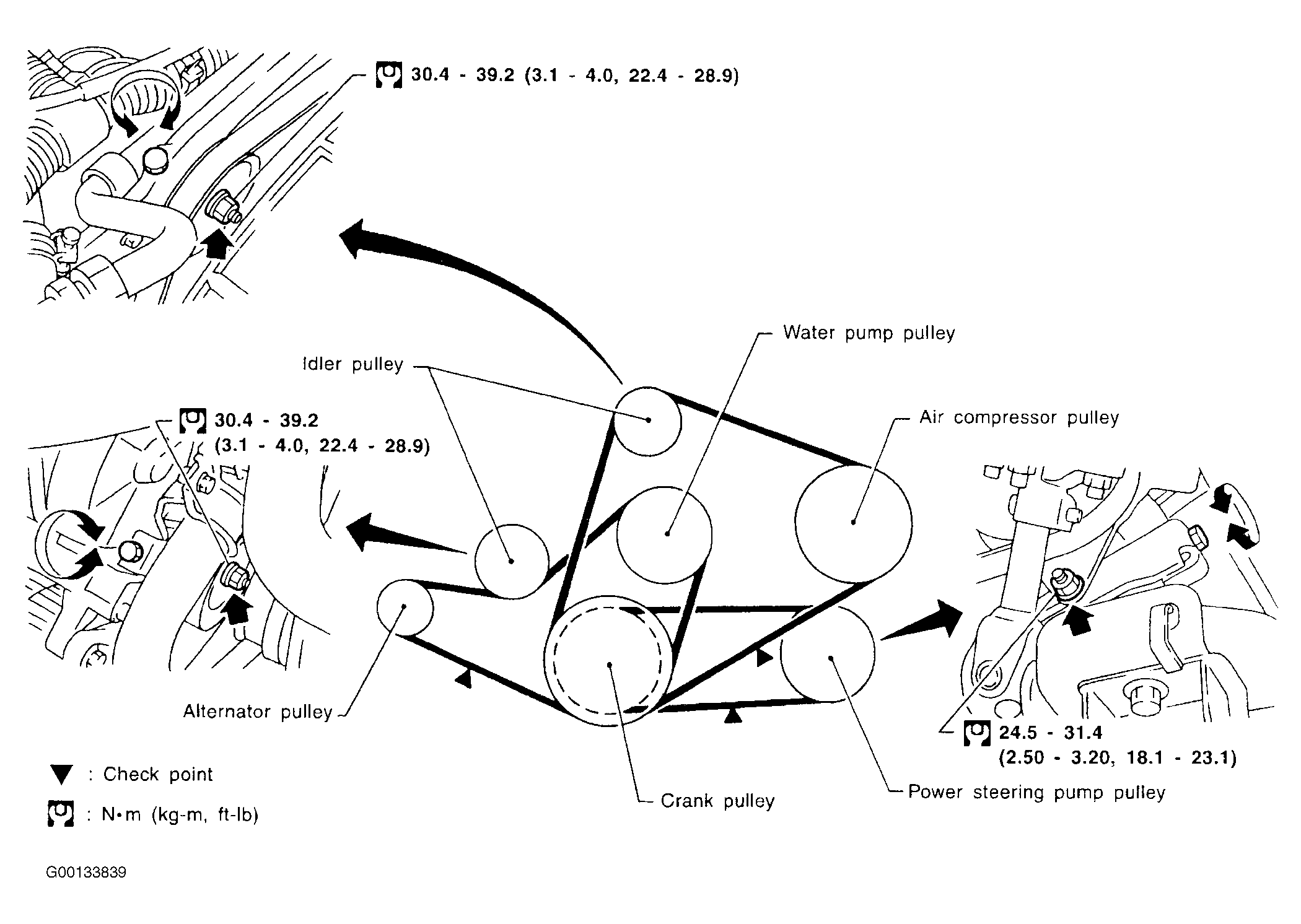
For the seasoned DIYer tackling maintenance or repairs on your Nissan Frontier, understanding the serpentine belt system is crucial. This article dives deep into the Nissan Frontier serpentine belt diagram, providing a comprehensive guide to its purpose, components, functionality, and practical applications. We'll break down the technical jargon and equip you with the knowledge to confidently handle serpentine belt-related tasks.
Purpose of the Serpentine Belt Diagram
The serpentine belt diagram is your roadmap to understanding how the serpentine belt is routed around the various engine components in your Nissan Frontier. It's not just a pretty picture; it's an invaluable resource for several reasons:
- Belt Replacement: Incorrect belt routing can lead to component failure and even engine damage. The diagram ensures you install the new belt exactly as the old one was, guaranteeing proper functionality.
- Troubleshooting: Squealing noises, power steering issues, or a non-charging battery can often be traced back to a worn or misaligned serpentine belt. The diagram helps you quickly identify which component is affected.
- Preventative Maintenance: Regularly inspecting the belt's condition and tension, in conjunction with the diagram, allows you to proactively address potential problems before they lead to costly breakdowns.
- Component Understanding: The diagram illustrates the interconnectedness of various engine components and their dependence on the serpentine belt, enhancing your overall understanding of your vehicle's engine.
Key Specs and Main Parts
The specific arrangement of the serpentine belt can vary slightly depending on the Frontier's engine (e.g., 2.4L I4, 3.3L V6, 4.0L V6) and year model. However, the core components remain consistent. Here’s a breakdown:
- Serpentine Belt: A long, single belt made of reinforced rubber that transmits power from the crankshaft to various engine accessories.
- Crankshaft Pulley: Driven directly by the engine's crankshaft, it's the starting point of the power transmission.
- Alternator Pulley: The alternator generates electrical power for the vehicle. The serpentine belt drives this pulley.
- Power Steering Pump Pulley: Provides hydraulic pressure to assist steering.
- Air Conditioning Compressor Pulley: Enables the air conditioning system to function.
- Water Pump Pulley: Circulates coolant throughout the engine to regulate temperature.
- Idler Pulley(s): Smooth, non-driven pulleys that guide the belt and maintain proper tension. They often have bearings that can wear out.
- Tensioner Pulley: A spring-loaded pulley that automatically adjusts the belt tension, crucial for optimal performance and belt life. A faulty tensioner is a common cause of serpentine belt issues.
Key Specs: While the diagram doesn't usually list specific dimensions, it's crucial to use the correct belt size for your specific Frontier model. Consult your owner's manual or a parts catalog for the correct belt part number. Using the wrong size can result in improper tension, slippage, and component damage. Belt width and length are critical parameters.
Understanding the Symbols in the Diagram
The serpentine belt diagram uses a visual language to convey information. Here's what you need to know:
- Solid Lines: Represent the path of the serpentine belt.
- Dashed Lines: May indicate the back side of the belt is in contact with the pulley (smooth side rather than grooved side).
- Arrows: Indicate the direction of rotation of each pulley. These are essential for understanding how the belt should be routed.
- Symbols (Icons): Icons represent the different components. For example, the alternator may be represented by a stylized "ALT," the power steering pump by "P/S," and so on. Consult the diagram's legend, if provided, for specific definitions.
- Color Coding: Some diagrams may use color coding to highlight specific sections or components. For example, the section of the belt under the most stress might be highlighted in red. However, many diagrams are simply black and white.
How the Serpentine Belt System Works
The serpentine belt system is a cleverly designed power transmission system. Here's the process:
- The engine's crankshaft rotates the crankshaft pulley.
- The serpentine belt, tightly wrapped around the crankshaft pulley, is driven by this rotation.
- The belt's movement transfers power to the other pulleys: alternator, power steering pump, air conditioning compressor, and water pump.
- Each of these components is then powered, allowing them to perform their respective functions.
- The tensioner pulley maintains constant tension on the belt, preventing slippage and ensuring efficient power transfer. The tensioner is crucial for the system to function properly.
The grooved side of the belt typically engages with grooved pulleys (like the crankshaft, alternator, and A/C compressor), while the smooth side engages with smooth pulleys (like the idler pulley and sometimes the water pump). This design maximizes grip and prevents slippage.
Real-World Use: Basic Troubleshooting Tips
Here are some common issues and how the diagram can assist in troubleshooting:
- Squealing Noise: Often indicates a worn or loose belt. Check the belt for cracks, fraying, or glazing. Use the diagram to identify the tensioner pulley and ensure it's functioning properly. A failing tensioner can cause belt slippage and noise.
- Loss of Power Steering: If the power steering pump isn't being driven, the steering will become very difficult. Use the diagram to confirm the belt is properly routed around the power steering pump pulley.
- No Air Conditioning: Similar to power steering, verify the belt is properly routed around the A/C compressor pulley. Also, listen for the compressor clutch engaging when you turn on the A/C.
- Battery Not Charging: A faulty alternator can be the culprit, but first, check that the belt is properly driving the alternator pulley.
- Overheating: If the water pump isn't circulating coolant, the engine can overheat. Verify the belt is properly routed around the water pump pulley.
Note: When inspecting the belt, always ensure the engine is off and the key is removed to prevent accidental starting.
Safety Considerations
Working on the serpentine belt system involves risks. The engine compartment contains moving parts and potentially hot surfaces. Here are some key safety precautions:
- Disconnect the Battery: Before starting any work, disconnect the negative battery terminal to prevent accidental electrical shock or starting of the engine.
- Allow the Engine to Cool: Avoid working on the engine immediately after it has been running, as parts can be extremely hot.
- Keep Hands and Clothing Clear: Be extremely careful to keep your hands, hair, and clothing away from the serpentine belt and pulleys when the engine is running.
- Use Proper Tools: Use the correct tools for the job, such as a serpentine belt tool for releasing the tension on the tensioner pulley. Avoid using makeshift tools that could slip and cause injury.
- The crankshaft pulley is connected directly to the engine, and unintentional engine start-up during maintenance poses a serious risk of injury.
Important! The tensioner pulley is under significant spring pressure. Releasing the tension incorrectly can result in injury. Refer to your vehicle's repair manual for specific instructions on how to release the tensioner safely.
Now you're better prepared to work on your Nissan Frontier's serpentine belt system! Understanding the diagram, the components, and the safety precautions will help you to maintain your vehicle safely and efficiently.
We have the detailed serpentine belt diagram file ready for you to download. This resource will provide you with the exact routing and specifications for your specific Nissan Frontier model, allowing you to perform this maintenance task with confidence.