
Rack And Pinion Diagram Power Steering
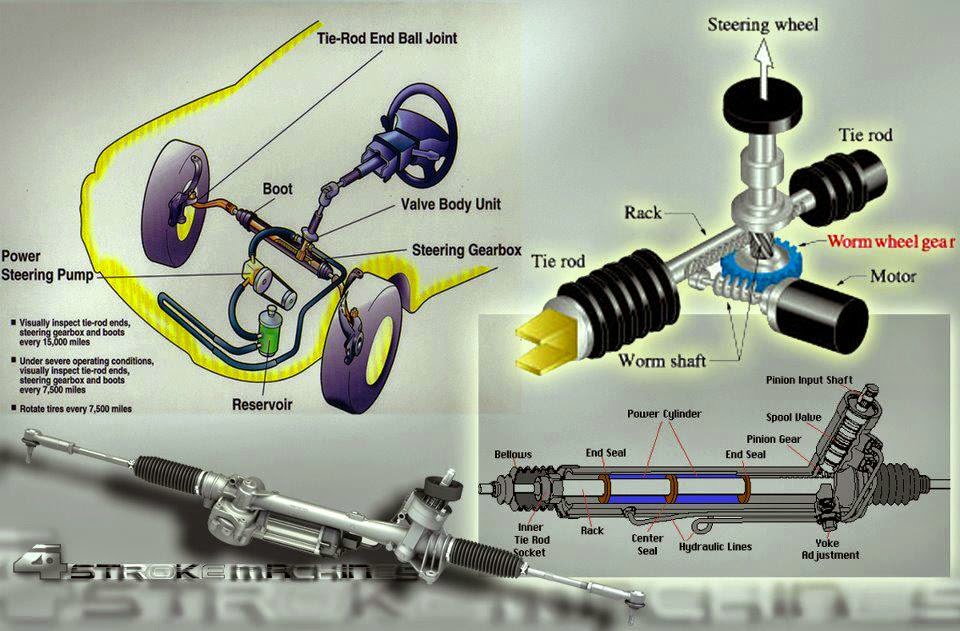
Okay, let's dive into the workings of a rack and pinion power steering system. This is a crucial system for modern vehicles, and understanding it is essential for any serious DIY mechanic or car enthusiast. We'll break down the diagram, explain the key components, and give you some real-world troubleshooting tips. Having a good understanding of this system will allow you to diagnose problems and potentially save a lot of money on repairs. What we're going to discuss here is generally applicable, but remember to always consult your vehicle's specific repair manual for accurate information.
Why Understand the Rack and Pinion Power Steering Diagram?
A rack and pinion power steering diagram is more than just a picture; it's a roadmap to understanding how your steering system functions. It's important for several reasons:
- Repair and Maintenance: When something goes wrong, the diagram helps you trace the hydraulic lines, identify components, and understand their relationships. This makes diagnosing the problem much easier.
- Performance Upgrades: Planning to upgrade your steering system? The diagram shows you what you're working with, allowing you to choose compatible parts and understand how they will affect overall performance.
- General Knowledge: Simply understanding how your car works is a rewarding experience. It empowers you to make informed decisions about maintenance and repair.
- Accurate Diagnosis: Knowing the physical location and connection of components speeds up the diagnostic process of steering issues.
Key Specs and Main Parts
Let's outline the critical specifications and major components you'll typically find in a rack and pinion power steering system diagram:
- Rack and Pinion Housing: The main body containing the rack, pinion, and hydraulic assist components.
- Rack: A linear gear that moves laterally when the pinion rotates.
- Pinion: A circular gear that meshes with the rack. The steering column connects to the pinion shaft.
- Power Steering Pump: Supplies pressurized hydraulic fluid to the system.
- Power Steering Fluid Reservoir: Stores the hydraulic fluid.
- High-Pressure Hose: Delivers pressurized fluid from the pump to the steering gear.
- Low-Pressure Hose (Return Hose): Returns fluid from the steering gear back to the reservoir.
- Control Valve (Rotary Valve): Directs hydraulic fluid to either side of the rack based on steering wheel input. This is often integrated within the pinion assembly.
- Piston and Cylinder (Hydraulic Assist): A cylinder built into the rack housing, with a piston connected to the rack. Hydraulic pressure assists the driver's steering effort.
- Tie Rods (Inner and Outer): Connect the rack to the steering knuckles on the wheels. These transfer the steering motion.
- Steering Column: Connects the steering wheel to the pinion gear.
- Seals and O-rings: Critically important for maintaining hydraulic pressure and preventing leaks.
Understanding the Diagram's Symbols
Diagrams use standardized symbols to represent different components and their connections. Common symbols you'll encounter include:
- Solid Lines: Typically represent hydraulic lines carrying fluid. The thickness of the line might indicate the diameter or flow capacity of the line.
- Dashed Lines: Often indicate mechanical linkages or control cables.
- Circles: Can represent pumps, reservoirs, or other circular components.
- Rectangles: May represent valves or other rectangular components.
- Arrows: Indicate the direction of fluid flow or mechanical movement.
- Color Coding: Some diagrams use color to distinguish between high-pressure (e.g., red) and low-pressure (e.g., blue) lines.
- Component Labels: Each component should be clearly labeled with a number or abbreviation, which is then referenced in a key or legend.
Always refer to the diagram's legend to ensure you correctly understand each symbol.
How It Works: The Flow of Power Steering
Here's a simplified breakdown of how the rack and pinion power steering system operates:
- The Driver Turns the Wheel: When you turn the steering wheel, the steering column rotates the pinion gear.
- Control Valve Activation: The rotating pinion also actuates a rotary control valve.
- Hydraulic Fluid Direction: The control valve directs high-pressure hydraulic fluid from the power steering pump to one side of the piston in the rack housing. The specific side depends on the direction you're steering.
- Assisted Rack Movement: The hydraulic pressure assists the movement of the rack. This reduces the effort required to turn the wheels. Without power steering assist, steering would be significantly harder.
- Tie Rod Action: The rack's linear movement is transferred to the wheels through the inner and outer tie rods, turning the wheels in the desired direction.
- Fluid Return: Once the steering wheel is released or held steady, the control valve returns to a neutral position, and the hydraulic fluid flows back to the reservoir through the low-pressure return line.
Think of it as the power steering system "amplifying" your steering input, making it easier to maneuver the vehicle.
Real-World Use: Basic Troubleshooting
Here are some basic troubleshooting tips using the knowledge gained from understanding the diagram:
- Hard Steering:
- Check the power steering fluid level. A low level could indicate a leak. Use the diagram to trace the lines and look for wet spots.
- Inspect the power steering pump belt for slippage or damage.
- Suspect a faulty power steering pump if the fluid level is good and the belt is okay.
- Steering Noise (Whining or Groaning):
- Air in the system is a common cause. Check for leaks and ensure the reservoir is properly filled.
- A failing power steering pump can also cause noise.
- Fluid Leaks:
- Use the diagram to pinpoint the location of leaks. Common areas include hose connections, the power steering pump, the rack housing, and the reservoir.
- Check the condition of the hoses and seals. Replace any worn or damaged components.
- Steering Wheel Play:
- Check the tie rod ends for wear and looseness.
- Inspect the steering shaft joints for play.
- Excessive play can sometimes indicate wear within the rack and pinion unit itself, requiring replacement.
Important Note: Before tackling any repair, disconnect the negative battery terminal to prevent electrical shorts. Always consult your vehicle's repair manual for specific instructions and torque specifications.
Safety Considerations
Working with a power steering system involves certain safety risks:
- High-Pressure Fluid: The hydraulic fluid is under very high pressure. Never disconnect lines while the engine is running. Residual pressure can cause injury.
- Hot Surfaces: The engine and exhaust components can be very hot. Allow the engine to cool down before working on the system.
- Jacking Up the Vehicle: Always use jack stands to support the vehicle securely before working underneath it.
- Power Steering Fluid: Avoid getting power steering fluid on your skin or in your eyes. Wear appropriate protective gear.
Always prioritize safety. If you're not comfortable performing a repair, seek the assistance of a qualified mechanic.
We've covered the fundamentals of understanding a rack and pinion power steering diagram. Remember to consult your vehicle's specific service manual for details specific to your vehicle. Understanding these systems and diagrams will allow you to approach repairs, modifications, and diagnostics with greater confidence and efficiency. Now go and put that knowledge to good use!