
Rack And Pinion Steering System Diagram
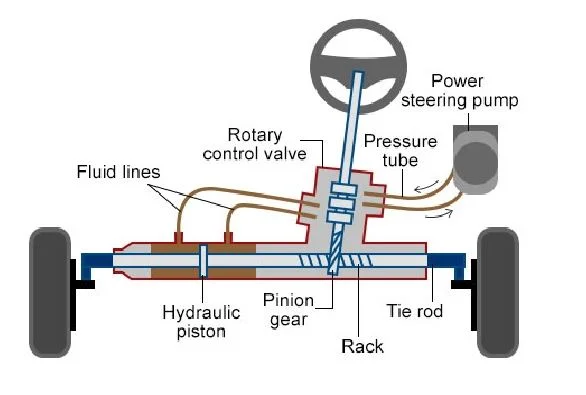
Understanding your car's steering system is crucial, whether you're diagnosing a problem, planning a modification, or simply expanding your automotive knowledge. This article dives deep into the rack and pinion steering system diagram, providing the knowledge you need to interpret these schematics and apply them in real-world scenarios.
Purpose of the Rack and Pinion Steering Diagram
A rack and pinion steering diagram is more than just a pretty picture; it's a vital tool for several reasons:
- Diagnosis and Repair: When your steering feels loose, makes noises, or doesn't respond correctly, the diagram helps you pinpoint the potential source of the problem. It allows you to trace the system's components, check for wear or damage, and identify the specific parts needing replacement.
- Understanding System Operation: For DIY mechanics and car enthusiasts, the diagram offers a clear visual representation of how the steering system functions. Understanding the flow of forces and the interaction of components is essential for effective repairs and modifications.
- Modification and Customization: If you're considering upgrading your steering system for improved performance or adapting it for off-road use, the diagram provides the necessary framework to plan your modifications safely and effectively.
- Technical Reference: The diagram serves as a reference point when consulting technical manuals, ordering parts, or discussing steering issues with other mechanics or professionals.
Key Specs and Main Parts
Before diving into the specifics of a diagram, it's essential to understand the key components of a rack and pinion steering system:
- Steering Wheel: The driver's interface for controlling the vehicle's direction.
- Steering Column: Connects the steering wheel to the pinion gear. Often contains safety features like collapsible sections.
- Pinion Gear: A small gear at the end of the steering column that meshes with the rack.
- Rack: A linear gear that translates the rotational motion of the pinion gear into linear motion to steer the wheels.
- Tie Rods (Inner & Outer): Connect the rack to the steering knuckles. They transmit the linear motion from the rack to the wheels. Inner tie rods connect directly to the rack, while outer tie rods connect to the steering knuckle.
- Steering Knuckle (Spindle): Connects the tie rod to the wheel hub assembly. It pivots to steer the wheel.
- Ball Joints: Allow for movement and articulation between the steering knuckle and the suspension components, ensuring smooth steering and suspension action.
- Power Steering Pump (if applicable): Provides hydraulic pressure to assist steering effort.
- Hydraulic Lines (if applicable): Carry pressurized hydraulic fluid between the pump, the rack, and the reservoir.
- Reservoir (if applicable): Stores the hydraulic fluid for the power steering system.
- Rack Housing: Encases and protects the rack and pinion gears.
Key Specs often include:
- Steering Ratio: The ratio between the amount of steering wheel rotation and the corresponding wheel angle. A lower ratio means quicker steering.
- Turning Radius: The minimum radius the vehicle can turn within.
- Number of Turns Lock-to-Lock: The number of full rotations of the steering wheel required to move the steering from one extreme to the other.
- Hydraulic Pressure (for power steering): The operating pressure of the power steering system, usually measured in PSI.
Symbols Used in Rack and Pinion Steering Diagrams
Steering diagrams use a standardized set of symbols to represent different components and connections. Understanding these symbols is crucial for interpreting the diagram accurately:
- Solid Lines: Typically represent mechanical connections or linkages, such as the steering column, tie rods, and the rack itself.
- Dashed Lines: Often indicate hydraulic lines (for power steering systems) or vacuum lines.
- Arrows: Show the direction of motion or flow of hydraulic fluid.
- Circles: Can represent rotary components like the steering wheel, pinion gear, or hydraulic pump pulley.
- Rectangles: May represent housings, reservoirs, or control valves.
- Ground Symbols: Indicate grounding points for electrical components (if any are involved in the steering system, such as electronic power steering - EPS).
Color Coding: Diagrams may use color to differentiate various systems. For example:
- Red: High-pressure hydraulic lines.
- Blue: Low-pressure hydraulic lines or vacuum lines.
- Black: Mechanical components or structural parts.
Always refer to the diagram's legend or key for specific symbol definitions, as conventions can vary slightly between manufacturers and model years.
How a Rack and Pinion Steering System Works
The rack and pinion steering system's operation can be broken down into several key steps:
- Driver Input: The driver turns the steering wheel.
- Rotation Transmission: The steering column transmits the rotational motion from the steering wheel to the pinion gear.
- Rack Engagement: The pinion gear, meshed with the rack, converts the rotational motion into linear (side-to-side) motion.
- Tie Rod Activation: The linear motion of the rack pushes or pulls the tie rods.
- Steering Knuckle Pivot: The tie rods, connected to the steering knuckles, cause the knuckles to pivot, turning the wheels.
- Vehicle Direction Change: The wheels' angle changes, resulting in a change in the vehicle's direction.
In a power steering system, the power steering pump generates hydraulic pressure. This pressure is directed to either side of the rack by a control valve, assisting the driver's effort and making steering easier, especially at low speeds.
Real-World Use and Basic Troubleshooting
Here are some common steering problems and how the diagram can help you troubleshoot them:
- Loose Steering: Check tie rod ends and ball joints for excessive play. The diagram will help you locate these components.
- Steering Wheel Vibration: Could be caused by unbalanced tires, worn tie rod ends, or a bent wheel. The diagram will remind you of the connections between each item in the system.
- Power Steering Fluid Leak: Inspect hydraulic lines, the pump, and the rack for leaks. The diagram will illustrate the routing of these lines.
- Difficulty Steering (with power steering): Check the power steering pump belt, fluid level, and the pump itself. Use the diagram to trace the hydraulic circuit.
- Noises while steering: Grinding or popping sounds might indicate a worn rack and pinion gear or damaged tie rod ends. Reference the diagram to visualize the component location and potential issues.
Troubleshooting Tips:
- Visual Inspection: Start by visually inspecting all components for obvious signs of wear, damage, or leaks.
- Listen for Noises: Pay attention to any unusual noises while steering.
- Check Fluid Levels: Ensure all fluid levels are correct, especially power steering fluid.
- Test for Play: Check for excessive play in the steering system components.
Safety Considerations
Working on a steering system can be risky. Here are some critical safety precautions:
- Disconnect the Battery: Before working on any steering system component, disconnect the negative battery cable to prevent accidental electrical shorts.
- Support the Vehicle Securely: Always use jack stands to support the vehicle before working underneath it. Never rely solely on a jack.
- Beware of Hydraulic Pressure: Power steering systems operate at high pressures. Relieve pressure before disconnecting hydraulic lines.
- Proper Torque: Always use a torque wrench and follow the manufacturer's specifications when tightening bolts and fasteners. Improper torque can lead to component failure.
- Wheel Alignment: After replacing steering components, it's crucial to have a professional wheel alignment performed. Improper alignment can cause tire wear and affect handling.
The most risky components are those associated with the power steering system due to the high pressures involved. Improper handling of hydraulic lines or the pump can result in serious injury.
By understanding the rack and pinion steering system diagram and following proper safety procedures, you can effectively diagnose, repair, and maintain your car's steering system, saving you time and money. We have the file available for you to download which contains a detailed rack and pinion diagram.