
Reading Electrical Diagrams And Schematics
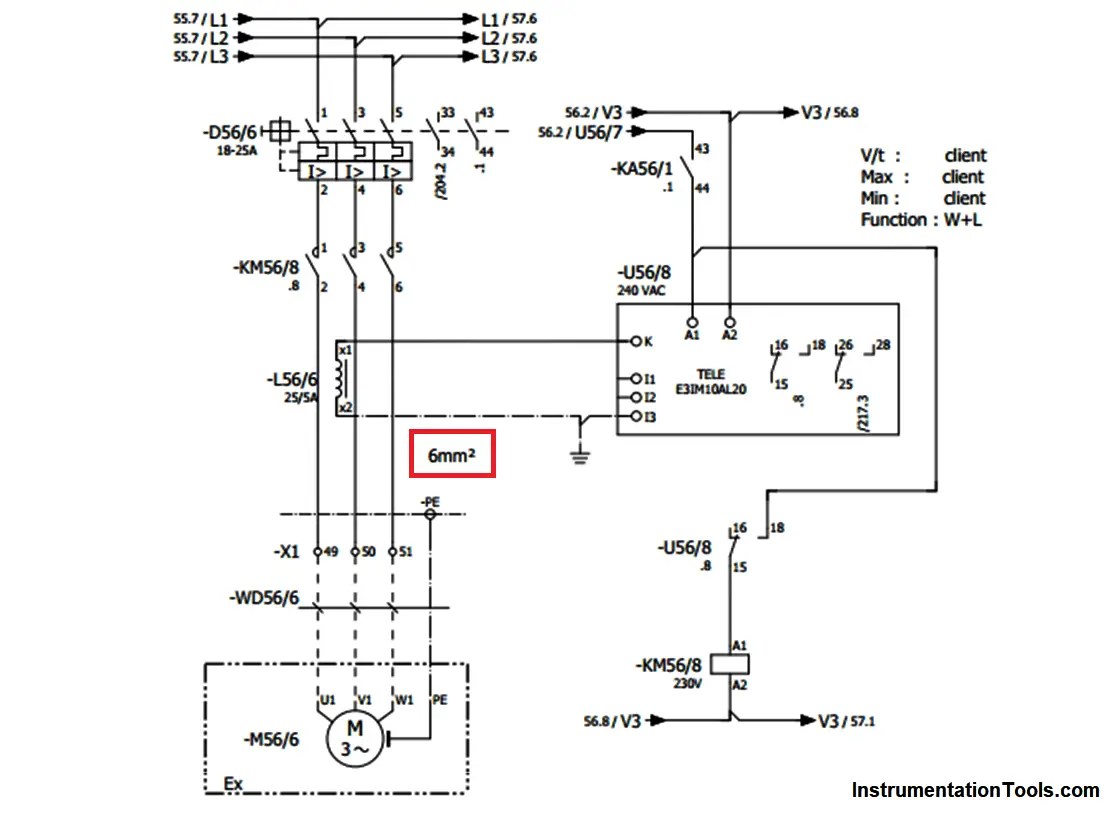
So, you’re ready to tackle some electrical work on your car, huh? That's fantastic! But before you start poking around with a multimeter, understanding electrical diagrams and schematics is absolutely crucial. It's like having a roadmap for your car's nervous system. This isn't just about avoiding blown fuses; it's about understanding how the whole system works, making informed repairs, and even confidently adding aftermarket components. We’re going to walk you through the fundamentals of reading these diagrams so you can troubleshoot like a pro. Plus, we've got a sample diagram you can download and follow along with. Let’s get started!
Why Bother with Electrical Diagrams?
Let's be honest, diving into your car's electrical system without a diagram is like wandering through a dark maze blindfolded. The purpose of an electrical diagram (also called a schematic) is multi-faceted:
- Troubleshooting: Diagrams pinpoint the exact location of a fault. Is your turn signal not working? The schematic shows you the wiring, connectors, and components involved.
- Repairs: Need to replace a faulty sensor? The diagram shows you where it's located in the circuit and how it connects to other components.
- Modifications: Planning to install a new stereo or add auxiliary lighting? A schematic lets you tap into the correct circuits safely and avoid overloading anything.
- Learning: Understanding schematics is a deep dive into how your car's electrical system operates. It's about more than just fixing problems; it's about gaining a comprehensive understanding.
Key Specs and Main Parts of a Diagram
Before we decode the symbols, let's familiarize ourselves with the key specs and main parts you'll find on most electrical diagrams:
- Title Block: Usually located in the corner of the diagram, the title block identifies the vehicle, system, component, and diagram revision date. Always double-check that the diagram matches your vehicle year, make, and model.
- Circuit Identification: Each circuit will typically have a unique identifier (e.g., "Turn Signal Circuit," "Fuel Pump Circuit"). This helps you quickly locate the section of the diagram you need.
- Component List: Often found alongside the diagram, a component list provides a key to the symbols used. It tells you exactly what each symbol represents (e.g., "R1" = resistor, "S1" = switch).
- Wiring Harnesses: These are bundles of wires that are often represented by thick lines. Connectors, splices, and ground points within the harness are important points to note.
- Fuses and Relays: Protective components like fuses and control components like relays are strategically placed in circuits. Their location and rating are vital for safety and troubleshooting.
- Ground Points: Represented by a ground symbol, these points are where the circuit connects to the vehicle's chassis, providing a return path for the current.
- Voltage and Current Ratings: These specifications, often indicated near components or in the title block, are critical for ensuring you're using the correct replacement parts and not overloading circuits.
Decoding the Symbols: Lines, Colors, and Icons
Electrical diagrams use a standardized set of symbols to represent components and connections. Understanding these symbols is key to deciphering the information.
Lines
Lines represent wires. Here's what to look for:
- Solid Lines: Represent wires carrying electrical current.
- Dashed Lines: Often indicate control signals or less important connections. Sometimes used to indicate shielded wiring.
- Line Thickness: While not always consistent, thicker lines can sometimes (but not always) indicate wires carrying a higher current load.
- Arrows: Arrows along the line may indicate the direction of current flow or signal transmission.
Colors
Wire colors are crucial for tracing circuits in the real world. Diagrams use abbreviations for colors:
- BK: Black
- RD: Red
- BL: Blue
- GN: Green
- WH: White
- YW: Yellow
- OR: Orange
- VT: Violet
- BN: Brown
- GY: Gray
A wire labeled "RD/BK" is a red wire with a black stripe. Knowing these color codes is vital when physically tracing wires in your car.
Icons
Icons represent the actual electrical components:
- Resistors: A zigzag line.
- Capacitors: Two parallel lines, sometimes curved.
- Inductors: A coiled line.
- Diodes: A triangle pointing to a line. The line indicates the cathode (negative) side.
- Transistors: Various symbols depending on the type (NPN, PNP, etc.).
- Switches: A line that can be opened or closed to complete or interrupt a circuit. Different switch configurations (SPST, SPDT, DPST, DPDT) have different symbols.
- Relays: A coil representing the electromagnet and a switch representing the contacts.
- Fuses: A squiggly line inside a rectangle or circle.
- Grounds: Three lines decreasing in size, connected to a single point.
- Batteries: Two unequal parallel lines (longer line is positive).
- Light Bulbs: A circle with a filament inside.
- Motors: A circle with an "M" inside.
- Sensors: Vary depending on the sensor type (e.g., temperature sensor, pressure sensor). Consult the component list for specific symbols.
Take some time to familiarize yourself with these common symbols. The component list on the diagram will provide more specific definitions.
How It Works: Reading a Circuit
Let's break down how to read a circuit on a schematic. Start by identifying the power source (usually the battery) and tracing the flow of current from the positive terminal, through the circuit, and back to the negative terminal (ground). Electrical current always needs a complete path to flow.
- Identify the Power Source: Locate the battery symbol (+ and - terminals).
- Trace the Positive Path: Follow the wire from the positive terminal through any fuses, switches, relays, and components.
- Understand Component Function: Determine how each component affects the circuit. Does a switch need to be closed for current to flow? Does a relay need to be energized?
- Trace the Ground Path: Follow the wire from the last component in the circuit to the ground symbol. This completes the circuit.
- Analyze the Flow: Consider what happens when a component fails or a wire is broken. How does it affect the rest of the circuit?
For example, imagine a simple circuit with a battery, a fuse, a switch, and a light bulb. The current flows from the battery's positive terminal, through the fuse (protecting the circuit from overcurrent), through the switch (controlling whether the light is on or off), through the light bulb (illuminating), and then to ground, completing the circuit.
Real-World Use: Basic Troubleshooting Tips
Okay, you understand the theory. Now, how do you use this knowledge to fix your car?
- Start with the Symptoms: What's not working? Use the symptoms to narrow down the potential circuits involved.
- Locate the Diagram: Find the correct electrical diagram for the affected system.
- Identify the Components: Locate the components related to the problem on the diagram.
- Check Fuses and Relays: These are common failure points. Use a multimeter to test for continuity.
- Trace the Circuit: Use the diagram to physically trace the wiring in your car. Look for damaged wires, loose connectors, or corrosion.
- Test for Voltage and Ground: Use a multimeter to check for voltage at key points in the circuit and to verify that ground connections are solid.
- Isolate the Fault: By systematically testing each component and connection, you can isolate the source of the problem.
Let's say your headlights aren't working. First, check the headlight fuses. If they're good, use the diagram to locate the headlight switch and relay. Test the switch for continuity and the relay for proper operation. Trace the wiring from the relay to the headlights, looking for breaks or corrosion. By following this process, you can pinpoint the issue.
Safety First: Risky Components
Working with electricity can be dangerous. Here are a few safety precautions:
- Disconnect the Battery: Always disconnect the negative battery terminal before working on the electrical system. This prevents accidental shorts and shocks.
- Be Careful with Capacitors: Capacitors can store electrical charge even after the battery is disconnected. Discharge them safely before handling them.
- High Voltage Components: Be extremely cautious around high-voltage components, such as ignition coils. They can deliver a painful (and potentially deadly) shock.
- Don't Overload Circuits: When adding aftermarket components, ensure you're not exceeding the circuit's current rating. Use appropriately sized fuses and wiring.
- Use Proper Tools: Use insulated tools designed for electrical work.
Working with airbags and anti-lock braking systems (ABS) requires special training and precautions. If you're not comfortable working on these systems, leave it to a professional.
Remember, safety is paramount. When in doubt, consult a qualified electrician.
You’ve now got a solid foundation for reading electrical diagrams and schematics. Keep practicing, and you’ll be confidently diagnosing and repairing your car’s electrical system in no time. Good luck!
Now that you've got the theory, it's time to put it into practice. We have a sample wiring diagram of an automotive lighting system available for download. Review the diagram and test your knowledge. It's a great starting point for mastering the skill!