
Schematic Toyota Wiring Diagram Color Codes
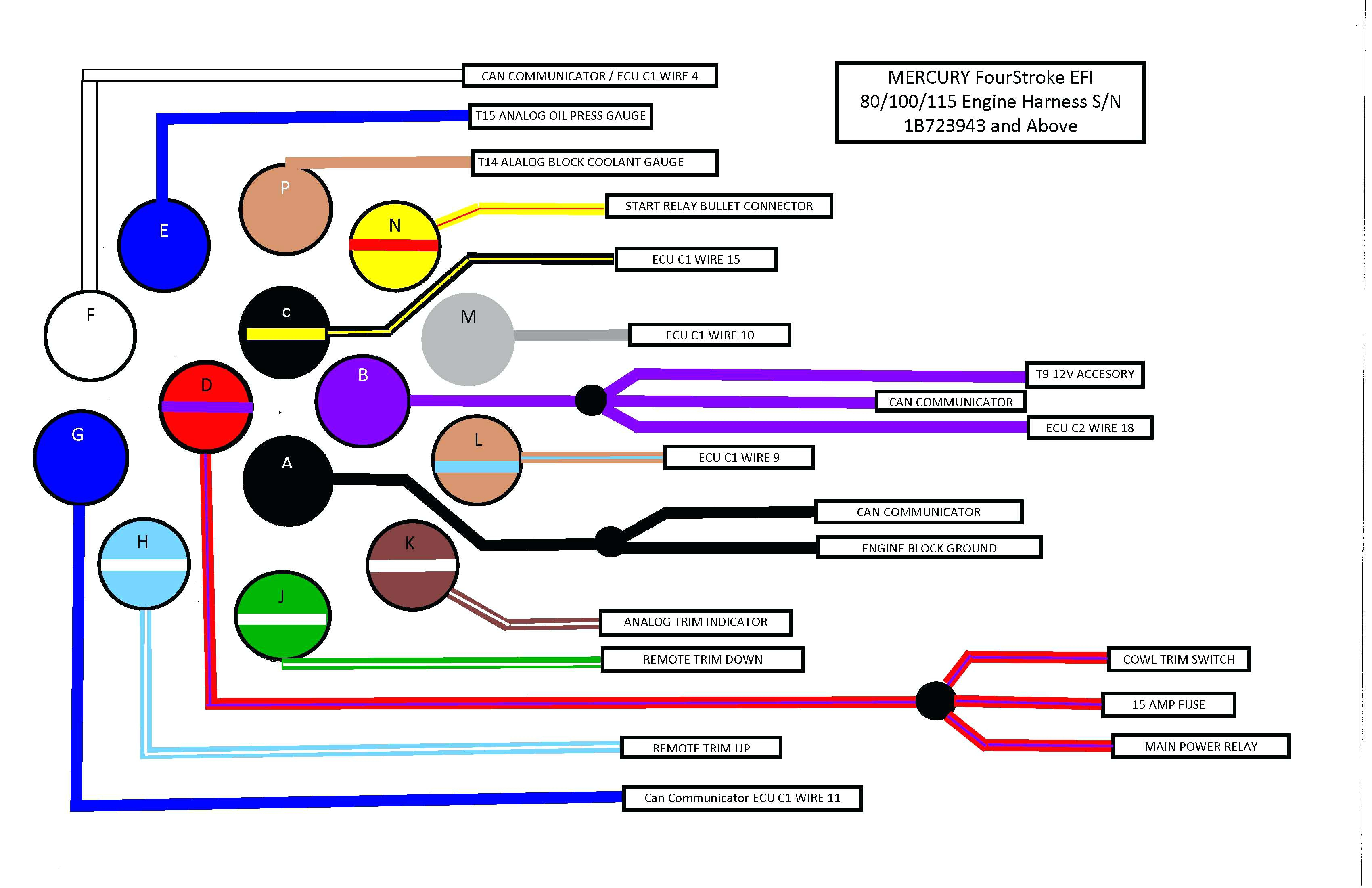
Understanding Toyota wiring diagrams is crucial for anyone tackling automotive electrical repairs, modifications, or even just deepening their understanding of how their vehicle functions. These diagrams act as a roadmap for the complex network of wires, connectors, and components that control everything from the headlights to the engine management system. The consistent use of color codes simplifies troubleshooting and helps prevent costly mistakes. This guide will break down the specifics of Toyota wiring diagram color codes, symbols, and their practical applications, providing you with the knowledge to confidently navigate these essential schematics.
Purpose of Toyota Wiring Diagrams
Why bother learning about wiring diagrams? The answer is multifaceted:
- Troubleshooting Electrical Problems: When a circuit malfunctions (e.g., a blown fuse, a malfunctioning sensor), the wiring diagram allows you to trace the circuit path, identify potential failure points, and test individual components.
- Performing Modifications: Adding aftermarket accessories like stereos, lights, or alarms requires tapping into the existing electrical system. A wiring diagram ensures you're connecting to the correct wires and avoiding damage to sensitive electronic control units (ECUs).
- Understanding Vehicle Systems: Wiring diagrams provide a comprehensive overview of how different systems within the vehicle are interconnected. This can be invaluable for diagnosing complex issues that affect multiple systems.
- Preventing Damage: Working on electrical systems without a diagram can lead to shorts, blown fuses, and even damage to expensive components like the ECU or the body control module (BCM).
Key Specs and Main Parts of a Toyota Wiring Diagram
Before diving into color codes, it's essential to understand the key elements of a typical Toyota wiring diagram.
- Wiring Harnesses: These are bundles of wires grouped together and often wrapped in protective tape or conduit. The diagram shows the location and routing of these harnesses throughout the vehicle.
- Connectors: These are the physical connections between wires and components. The diagram identifies the connector type, pin numbers, and wire colors for each connection.
- Components: These are the individual electrical devices, such as sensors, actuators, relays, switches, and fuses. Each component is represented by a symbol.
- Ground Points: These are the points where the electrical circuits are connected to the vehicle's chassis, providing a return path for the current.
- Fuses and Relays: These are crucial safety devices that protect circuits from overcurrents and control high-current devices.
- ECU/BCM: The Engine Control Unit (ECU) and Body Control Module (BCM) are central processing units that control various functions within the vehicle. The wiring diagram shows how these units are connected to different sensors and actuators.
Symbols, Lines, Colors, and Icons Explained
Toyota wiring diagrams use a standardized set of symbols, lines, and colors to represent different electrical components and connections. Mastering these symbols is key to interpreting the diagrams accurately.
Lines
- Solid Lines: Represent actual wires. The thickness of the line doesn't necessarily indicate wire gauge.
- Dashed Lines: Can indicate shielded wires, or wires that may be present in some models but not others. They can also signify signal or communication lines between modules (e.g., CAN bus).
- Arrows: Show the direction of current flow or signal flow.
Colors
The most important aspect is the color coding. Toyota adheres to a consistent color scheme for its wiring, although slight variations may occur between models and years. Here’s a breakdown of common colors:
- B (Black): Usually indicates ground.
- W (White): Often used for various signals or power distribution.
- R (Red): Typically signifies a fused power source from the battery.
- Y (Yellow): Often used for ignition-switched power.
- G (Green): Can be used for various signals, including sensor signals.
- L (Blue): Commonly used for lighting circuits.
- BR (Brown): Frequently used for tail lights and other exterior lighting.
- P (Pink): May indicate power or signal wires.
- LG (Light Green): Similar to Green, used for signal wires.
- SB (Sky Blue): Often associated with instrument panel or gauge circuits.
- V (Violet): Can be used for various signal wires.
- GR (Gray): Used for various signal wires.
Important Note: Wires can have a primary color and a secondary stripe color. For example, "L-W" indicates a blue wire with a white stripe. Knowing both the primary and secondary colors is essential for correct identification.
Icons and Symbols
Understanding the symbols for different electrical components is also vital:
- Resistor: A zig-zag line.
- Capacitor: Two parallel lines.
- Diode: A triangle pointing to a vertical line.
- Transistor: A more complex symbol with three terminals.
- Relay: A coil with a switch symbol. The coil is energized to close the switch.
- Fuse: A squiggly line inside a rectangle.
- Switch: A line that can be open (off) or closed (on).
- Ground: A series of decreasing horizontal lines connected to a vertical line.
- ECU/BCM: Represented by a rectangle with pins indicating the connections to other components.
- Sensors (e.g., Oxygen Sensor, Crankshaft Position Sensor): Specific symbols that usually resemble the type of sensor. Consult the diagram's legend for exact definitions.
- Actuators (e.g., Fuel Injector, Solenoid Valve): Similar to sensors, they have specific symbols.
How It Works: Tracing a Circuit
Let's illustrate how to use a wiring diagram by tracing a simple circuit – the headlight circuit.
- Identify the Power Source: Locate the battery symbol and trace the red wire (typically R) leading from the positive terminal to the fuse box.
- Find the Fuse: The diagram will show the fuse protecting the headlight circuit (e.g., "HEAD LH" or "HEAD RH").
- Follow the Wire: Trace the wire from the fuse to the headlight switch. The color will likely change after the fuse.
- Track the Switch: Observe how the switch controls the flow of current to the headlights. The diagram will show different switch positions (e.g., OFF, LOW BEAM, HIGH BEAM).
- Locate the Headlight: Find the headlight symbol and trace the wires leading to it. Note the wire colors.
- Follow the Ground: The diagram will show the ground connection for the headlight, usually a black wire (B) connected to the chassis.
By following these steps, you can understand the entire circuit path and identify potential problem areas if the headlights are not working.
Real-World Use: Basic Troubleshooting Tips
Here are some basic troubleshooting tips using wiring diagrams:
- No Power to a Component: Use the diagram to trace the power supply wire back to the fuse box. Check the fuse first. If the fuse is blown, replace it. If it blows again, there's a short circuit.
- Component Not Grounding: Use the diagram to locate the ground point for the component. Check the ground connection for corrosion or looseness.
- Intermittent Problems: These are the trickiest. Use the diagram to identify connectors and wiring harnesses in the affected circuit. Check for loose connections or damaged wires. Consider that temperature or vibration can affect these intermittent connections.
- Sensor Issues: If a sensor is reporting incorrect values, use the diagram to check the wiring between the sensor and the ECU. Look for shorts, opens, or damaged wires.
Safety Considerations
Working with automotive electrical systems can be dangerous. Here are some safety precautions:
- Disconnect the Battery: Always disconnect the negative battery terminal before working on any electrical component. This will prevent accidental shorts and electrical shocks.
- Use Proper Tools: Use insulated tools designed for automotive electrical work.
- Avoid Working in Wet Conditions: Water and electricity are a dangerous combination.
- Be Extremely Cautious Around the Airbag System: Incorrect handling of airbag wiring can cause accidental deployment, resulting in serious injury. Always consult the service manual before working on or near the airbag system. Disconnecting the battery and waiting several minutes is typically required.
- High-Voltage Components (Hybrid/Electric Vehicles): If you are working on a hybrid or electric vehicle, be aware of the high-voltage components. These systems can deliver lethal shocks. Only qualified technicians should work on these systems.
- Check for Shorts: Before reconnecting the battery, carefully inspect all wiring and connections for shorts.
Mastering Toyota wiring diagram color codes and symbols is a valuable skill for any DIY mechanic or car enthusiast. It empowers you to diagnose and repair electrical problems, perform modifications with confidence, and gain a deeper understanding of your vehicle's systems. Always prioritize safety and consult the service manual for your specific vehicle model before undertaking any electrical work.
We have a comprehensive Toyota wiring diagram file available for download. Contact us for access, and take your automotive knowledge to the next level!