
Serpentine Belt Diagram 2005 Nissan Altima
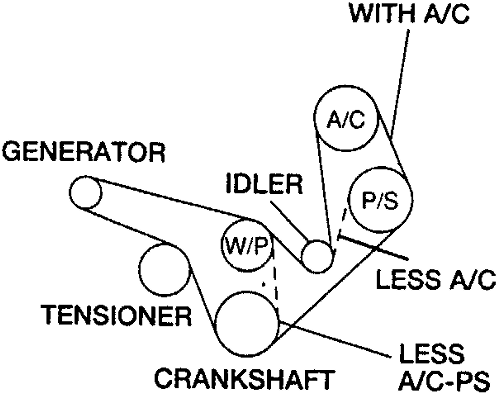
The serpentine belt diagram for your 2005 Nissan Altima is an indispensable resource. Whether you're performing routine maintenance, troubleshooting a squealing noise, or replacing a worn-out belt, understanding this diagram can save you time, money, and potential headaches. This guide will walk you through everything you need to know, from identifying components to safely working with your Altima's belt system.
Purpose of the Serpentine Belt Diagram
A serpentine belt diagram is essentially a roadmap for your engine's accessory drive system. It illustrates the path the serpentine belt takes as it winds around various pulleys connected to essential engine components. Understanding this path is crucial for several reasons:
- Belt Replacement: The most common use is for replacing a worn or broken belt. The diagram shows you the correct routing to ensure proper operation of all accessories.
- Troubleshooting: When you hear a squealing noise coming from the engine bay, the belt is often the culprit. The diagram helps you inspect each pulley for wear or damage.
- Maintenance: Regularly inspecting the belt and pulleys helps prevent unexpected breakdowns. The diagram assists in locating each component for visual inspection.
- Learning: Familiarizing yourself with the belt routing gives you a deeper understanding of how your engine's accessories are driven.
Key Specs and Main Parts (2005 Nissan Altima)
The 2005 Nissan Altima came with a few engine options, each with a slightly different serpentine belt routing. However, the core components and principles remain the same. Let's look at the common parts and their purpose:
- Crankshaft Pulley (Crank Pulley): This is the driving pulley, connected directly to the crankshaft. It's the source of power for the entire serpentine belt system.
- Alternator Pulley: Driven by the serpentine belt, the alternator generates electricity to power the car's electrical system and charge the battery.
- Power Steering Pump Pulley: Powers the power steering system, making it easier to steer the vehicle.
- Air Conditioning Compressor Pulley: Engages when the air conditioning is turned on, compressing refrigerant to cool the cabin.
- Water Pump Pulley: Circulates coolant through the engine to regulate temperature. Maintaining proper coolant circulation is crucial for engine health.
- Tensioner Pulley: This spring-loaded pulley maintains the correct tension on the serpentine belt, preventing slippage and ensuring proper accessory operation. It's a crucial component for the system's longevity and proper functioning.
- Idler Pulley (if equipped): Some Altima models might have one or more idler pulleys. These pulleys simply guide the belt around the engine, helping to optimize the routing and prevent interference.
- Serpentine Belt: The continuous belt that wraps around all the pulleys, transmitting power from the crankshaft to the various accessories. The belt is typically made of a reinforced rubber compound designed to withstand high temperatures and constant flexing.
Understanding Serpentine Belt Diagram Symbols
A serpentine belt diagram uses various symbols to represent components and their relationships. Here's a breakdown of common symbols:
- Solid Line: Represents the path of the serpentine belt. The thickness of the line may vary, but generally, a thicker line indicates the main belt path.
- Pulley Symbols: Pulleys are typically represented as circles. Some diagrams might indicate whether a pulley is grooved (for the grooved side of the belt) or smooth (for the back side of the belt).
- Arrows: Indicate the direction of belt rotation. This is extremely important when installing a new belt to ensure it's routed correctly.
- Component Labels: Each pulley will be labeled with the corresponding component (e.g., ALT for alternator, P/S for power steering, A/C for air conditioning, W/P for water pump).
- Tensioner Symbol: The tensioner pulley is often depicted with a spring or an arrow indicating the direction of tension.
Often, diagrams will use different colors to highlight specific sections of the belt run or to differentiate between the front and back of the belt. A legend should accompany the diagram to explain any color-coding used.
How the Serpentine Belt System Works
The serpentine belt system operates on a simple principle: transferring rotational energy from the crankshaft to various engine accessories. The crankshaft pulley, driven by the engine's rotation, spins the serpentine belt. The belt, in turn, wraps around and spins the pulleys connected to the alternator, power steering pump, air conditioning compressor, and water pump. Each of these accessories performs its specific function, powered by the engine's rotation via the belt.
The tensioner pulley plays a vital role in maintaining the correct amount of tension on the belt. Too much tension can damage the accessories or the belt itself, while too little tension will cause the belt to slip, leading to reduced accessory performance and potential damage. The tensioner automatically adjusts to compensate for belt wear and temperature changes, ensuring consistent performance.
Real-World Use: Basic Troubleshooting Tips
Here are a few troubleshooting tips based on common serpentine belt issues:
- Squealing Noise: A squealing noise, especially when starting the engine or during acceleration, often indicates a slipping belt. Check the belt for wear, cracks, or glazing. Also, inspect the tensioner pulley to ensure it's functioning properly. If the tensioner arm is bouncing excessively, it might need replacement.
- Battery Light On: If the alternator pulley isn't spinning properly due to a slipping belt, the battery might not be charging, leading to the battery light illuminating on the dashboard. This could also indicate a failing alternator.
- Power Steering Problems: If you experience difficulty steering, especially at low speeds, the power steering pump pulley might not be receiving adequate power due to a slipping belt.
- Overheating: If the water pump pulley isn't spinning properly, the engine might overheat. This is a serious issue that needs immediate attention.
- Visual Inspection: Regularly inspect the belt for cracks, fraying, missing chunks, or excessive wear. Also, check the pulleys for signs of damage or misalignment. Use the diagram to ensure everything lines up correctly.
Safety Considerations
Working on the serpentine belt system can be dangerous if you're not careful. Here are a few safety precautions to keep in mind:
- Disconnect the Battery: Always disconnect the negative battery terminal before working on the serpentine belt system. This will prevent accidental starting of the engine.
- Hot Engine: Never work on the serpentine belt system when the engine is hot. Allow the engine to cool down completely before starting any work.
- Moving Parts: Keep your hands and clothing away from moving parts. The serpentine belt system operates at high speeds and can cause serious injury.
- Proper Tools: Use the correct tools for the job. Using the wrong tools can damage the components or cause injury. A belt tensioner tool is highly recommended for releasing the tension on the belt safely.
- Belt Tension: Be extremely careful when releasing the tension on the belt. The spring-loaded tensioner can snap back with considerable force.
Important Note: The crankshaft pulley is connected directly to the engine's crankshaft. Never attempt to loosen or remove the crankshaft pulley bolt without using the proper tools and techniques. Incorrectly removing this bolt can damage the engine. Consult a professional mechanic if you are unsure about any aspect of the serpentine belt system.
We have the serpentine belt diagram file specifically for the 2005 Nissan Altima. You can download it here: [insert download link here - REPLACE WITH ACTUAL LINK]. This diagram will be invaluable for your maintenance and repair projects.