
Serpentine Belt Diagram 2006 Toyota Corolla
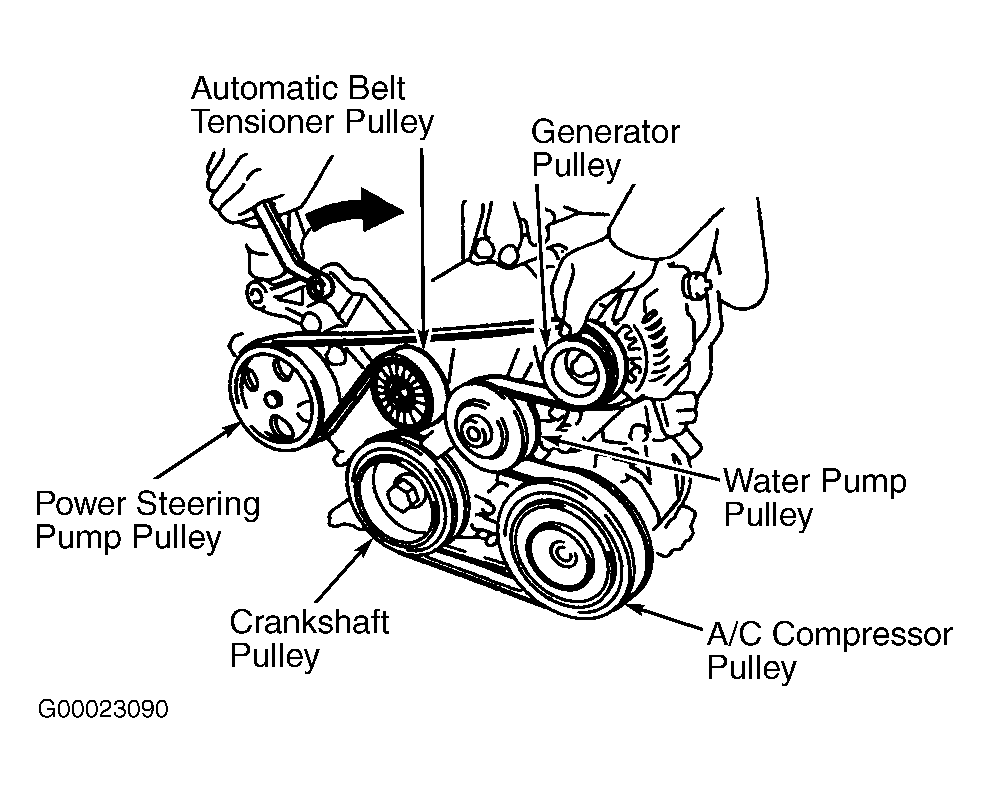
The serpentine belt in your 2006 Toyota Corolla is a critical component responsible for powering several essential accessories. Knowing its routing, tension, and condition is vital for maintaining your car's reliability. This article will serve as your comprehensive guide to understanding the serpentine belt diagram for your 2006 Corolla, empowering you to perform maintenance and troubleshooting with confidence.
Purpose of the Serpentine Belt Diagram
The serpentine belt diagram is more than just a pretty picture; it's your roadmap for proper belt installation and a valuable tool for diagnostics. It matters for several key reasons:
- Proper Installation: Incorrect routing can lead to belt slippage, accessory malfunction, and even engine damage. The diagram ensures you get it right the first time.
- Troubleshooting: A squealing or broken belt can be quickly diagnosed by referring to the diagram and identifying the component causing the issue (e.g., a seized pulley).
- Maintenance: Knowing the belt's routing helps you inspect it for wear and tear more effectively.
- Replacement: When replacing the belt, the diagram ensures you route the new belt exactly as the old one was, preventing performance issues.
- Learning & Understanding: Even if you don't plan on doing the work yourself, understanding the serpentine belt system provides valuable insight into how your car functions.
Key Specs and Main Parts of the 2006 Toyota Corolla Serpentine Belt System
Let's break down the key specs and parts you'll encounter when dealing with your Corolla's serpentine belt system. These apply to the 1.8L engine (1ZZ-FE), which is the standard engine for the 2006 Corolla.
Main Components:
- Crankshaft Pulley (Crank Pulley): This pulley is directly connected to the engine's crankshaft and is the driving force behind the serpentine belt.
- Alternator Pulley: The alternator generates electrical power for the car. The serpentine belt spins this pulley.
- Power Steering Pump Pulley: The power steering pump provides hydraulic assistance for easier steering. The serpentine belt drives it.
- Air Conditioning Compressor Pulley: The AC compressor circulates refrigerant to cool the cabin. It's another accessory powered by the belt.
- Tensioner Pulley (Automatic Tensioner): This spring-loaded pulley maintains proper tension on the belt. It's *critical* for optimal performance. A failing tensioner is a common cause of squealing belts.
- Idler Pulley (if equipped): Some Corollas have an idler pulley, which is a smooth pulley used to guide the belt and increase its wrap angle around other pulleys.
Key Specs:
- Belt Length: The belt length is a critical specification. Using the wrong length will either prevent installation or cause excessive strain on the tensioner and other components. While variations exist based on whether A/C is equipped, the general range is between 80-82 inches. Always verify the correct part number for your specific vehicle using your VIN.
- Belt Type: Serpentine belts are typically made from EPDM rubber (ethylene propylene diene monomer).
- Tension: Proper belt tension is vital. Too loose, and the belt will slip. Too tight, and it will damage bearings in the accessories. The automatic tensioner should maintain the correct tension, but a visual inspection for its range of movement is crucial.
Understanding the Serpentine Belt Diagram Symbols
Serpentine belt diagrams use a standardized set of symbols to represent different components and the belt's path. Here's a breakdown of what you might encounter:
- Solid Lines: Represent the section of the belt that is making contact with the pulley.
- Dashed Lines: May indicate the section of the belt that is on the back side of the pulleys (not the grooved side). Sometimes these are used to show the routing behind other components.
- Arrows: Indicate the direction of belt rotation.
- Pulley Icons: Different icons may represent different types of pulleys. Smooth pulleys generally indicate an idler pulley or the back side of a pulley making contact with the belt. Grooved pulleys indicate the crankshaft, alternator, AC compressor, or power steering pump.
- Component Labels: Each pulley will usually be labeled with an abbreviation, such as ALT (alternator), P/S (power steering), A/C (air conditioning), CRANK (crankshaft), and TENSIONER.
- Color Coding: While not always present, some diagrams use color coding to highlight different sections of the belt or different components. Refer to the diagram's legend for clarification.
How the Serpentine Belt System Works
The serpentine belt system is relatively straightforward. The crankshaft pulley, driven by the engine, rotates and transfers power to the other pulleys via the serpentine belt. The belt snakes its way around each accessory pulley, causing them to spin and perform their respective functions. The automatic tensioner plays a crucial role in maintaining the correct belt tension by automatically adjusting to changes in belt length due to wear, temperature fluctuations, and accessory load. Without proper tension, the belt will slip, leading to reduced accessory performance and potential damage.
Real-World Use: Troubleshooting Tips
Here are some basic troubleshooting tips using the serpentine belt diagram as your guide:
- Squealing Noise: A common symptom is a squealing noise, often most noticeable when the engine is first started or when accessories like the AC are turned on. This often indicates belt slippage due to a worn belt, a loose tensioner, or a seized pulley. Use the diagram to identify each pulley. Spray a tiny amount of water on each pulley one at a time with the engine running. If the noise changes with water on a specific pulley then you've found the problem component.
- Cracked or Frayed Belt: Visually inspect the belt for cracks, fraying, or missing chunks. Refer to the diagram to ensure you are inspecting the entire length of the belt. Replace the belt immediately if you find any significant damage.
- Accessory Malfunction: If the alternator isn't charging the battery, the power steering isn't working correctly, or the AC isn't blowing cold air, check the serpentine belt. The diagram will help you identify which accessory might be affected. A broken belt will cause all accessories to stop working.
- Tensioner Inspection: The tensioner has a range of motion indicator. If the tensioner is near the limit of its range, it is time to replace the belt and possibly the tensioner itself.
Safety Precautions
Working on the serpentine belt system involves several safety hazards. Always observe these precautions:
- Disconnect the Negative Battery Terminal: This prevents accidental starting of the engine while you're working.
- Never Put Your Hands Near a Running Engine: The serpentine belt and pulleys are moving at high speeds and can cause serious injury.
- Beware of Hot Components: The engine and exhaust system can get extremely hot. Allow them to cool down before working on the car.
- Use Proper Tools: Use the correct tools for removing and installing the belt. Using the wrong tool can damage the belt or other components.
- Eye Protection: Wear safety glasses to protect your eyes from debris.
- The Belt Tensioner is Spring Loaded and Can Snap Violently. Keep hands and fingers clear when releasing the tension.
Replacing the serpentine belt on your 2006 Toyota Corolla is a manageable DIY project with the right knowledge and tools. By understanding the serpentine belt diagram and following safety precautions, you can confidently maintain your vehicle and ensure its reliable operation.
We have a high-resolution serpentine belt diagram available for download. Contact us for access to the file, ensuring you have the most accurate visual aid for your 2006 Toyota Corolla.