
Serpentine Belt Diagram For 2002 Ford Focus
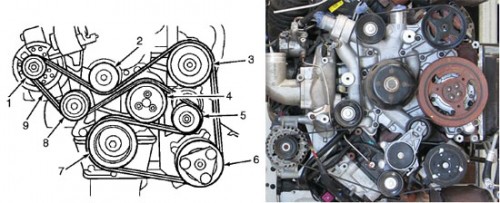
The serpentine belt, a seemingly simple component in your 2002 Ford Focus, plays a critical role in the operation of several vital systems. This article provides a comprehensive guide to the serpentine belt diagram for your Focus, equipping you with the knowledge needed for successful DIY repairs, preventative maintenance, and a deeper understanding of your vehicle's mechanics. Knowing the serpentine belt routing is essential for tasks like replacing the belt itself, diagnosing accessory drive issues, or even just inspecting for wear and tear. Let's dive in!
Purpose of the Serpentine Belt Diagram
Why is a serpentine belt diagram so important? Several key reasons highlight its value:
- Correct Belt Routing: The primary purpose is to illustrate the precise path the belt must follow around the various pulleys. Incorrect routing can lead to component damage, belt slippage, and failure to power accessories.
- Troubleshooting: When diagnosing problems like squealing noises or non-functional accessories (power steering, air conditioning, alternator), the diagram helps you identify potential issues related to belt tension, pulley alignment, or component functionality.
- Maintenance and Replacement: The diagram serves as a visual aid during belt replacement, ensuring the new belt is installed correctly. It also helps in identifying wear patterns and potential problems with individual components in the system.
- Understanding Accessory Drive System: Studying the diagram provides a clearer understanding of how the accessory drive system works, enhancing your overall knowledge of your vehicle's mechanics.
Key Specs and Main Parts (2002 Ford Focus)
Before we delve into the diagram itself, let's identify the key components in the serpentine belt system of a 2002 Ford Focus. Note that there might be variations depending on the specific engine (primarily the 2.0L Zetec or the 2.0L SPI), but the general principles remain the same.
- Crankshaft Pulley (Harmonic Balancer): Located at the bottom of the engine, this pulley is driven directly by the engine's crankshaft and serves as the primary power source for the entire accessory drive system.
- Alternator Pulley: The alternator is responsible for charging the battery and providing electrical power to the vehicle. The serpentine belt drives the alternator, enabling it to perform its function.
- Power Steering Pump Pulley: The power steering pump provides hydraulic assistance to the steering system. The serpentine belt powers the pump, making steering easier.
- Air Conditioning Compressor Pulley: The A/C compressor circulates refrigerant throughout the air conditioning system. The serpentine belt drives the compressor, enabling the cooling function.
- Idler Pulley(s): These pulleys are smooth and exist solely to guide the belt and maintain proper tension. There can be one or more idler pulleys depending on the engine configuration.
- Tensioner Pulley: This pulley is spring-loaded and automatically adjusts to maintain proper belt tension. It is critical for preventing belt slippage and ensuring optimal performance of all accessories.
- Water Pump Pulley: Although not always driven directly by the serpentine belt on all configurations of the 2002 Focus, if it is, this pulley drives the water pump, which circulates coolant through the engine to regulate its temperature.
Key Specs: The belt length is critical. The correct belt length for your specific engine configuration will be listed in your owner's manual or parts catalog. Using the wrong belt length will result in improper tension and system malfunction.
Symbols and Diagram Explanation
A serpentine belt diagram typically employs a few standard conventions:
- Solid Lines: These represent the path of the serpentine belt itself. Follow the lines carefully to trace the belt's route around the pulleys.
- Pulleys: Pulleys are depicted as circles. Some diagrams may label each pulley with its corresponding component (e.g., "ALT" for alternator, "P/S" for power steering).
- Arrows: Arrows indicate the direction of belt rotation. This helps you understand how each component is driven.
- Tensioner Indicator: The tensioner pulley may have a marking or indicator showing the acceptable tension range. This is useful when installing a new belt to ensure proper tension.
- Routing Variations: Some diagrams may show multiple routing options depending on the engine or optional equipment (e.g., with or without air conditioning). Ensure you are using the correct diagram for your specific vehicle configuration.
In most diagrams, the crankshaft pulley is typically at the bottom, serving as the starting point. Follow the belt line as it winds around the various pulleys, paying close attention to the order and direction of rotation. Note the position of the tensioner pulley and how it maintains tension on the belt.
How It Works
The serpentine belt system works by transferring rotational energy from the engine's crankshaft to the various accessories. The crankshaft pulley, driven directly by the engine, turns the serpentine belt. As the belt rotates, it drives the pulleys connected to the alternator, power steering pump, A/C compressor, and potentially the water pump. Each of these accessories requires rotational power to perform its respective function.
The tensioner pulley is crucial for maintaining proper belt tension. As the belt stretches over time, the tensioner automatically adjusts to compensate, ensuring that the belt remains tight enough to prevent slippage. Without proper tension, the accessories will not function efficiently, and the belt may wear prematurely.
Real-World Use: Basic Troubleshooting Tips
Here are some common problems related to the serpentine belt system and how the diagram can assist in troubleshooting:
- Squealing Noise: A squealing noise, especially when starting the engine or using accessories like the A/C, is often a sign of belt slippage. Use the diagram to inspect the belt for cracks, wear, or glazing. Also, check the tensioner pulley to ensure it is functioning correctly and maintaining proper tension. A worn or failing tensioner can cause belt slippage.
- Accessory Malfunction: If an accessory is not working (e.g., the power steering is stiff, the A/C is not blowing cold air, the alternator is not charging), the serpentine belt may be the culprit. Verify that the belt is properly routed and that it is turning the pulley of the malfunctioning accessory. A broken or severely worn belt will prevent the accessories from functioning.
- Belt Wear: Regularly inspect the belt for signs of wear, such as cracks, fraying, or missing chunks. Use the diagram to check the alignment of the pulleys. Misaligned pulleys can cause premature belt wear.
- Tensioner Issues: Check the tensioner pulley for smooth operation. A seized or sticky tensioner can cause belt slippage or premature wear. Also, look for signs of oil or coolant contamination on the belt, which can accelerate its degradation.
Example: If your power steering is not working, use the diagram to locate the power steering pump pulley. Check if the belt is properly seated on the pulley and turning it. If the belt is slipping or the pulley is not turning, the belt may be worn or the tensioner may be faulty.
Safety Precautions
Working on the serpentine belt system involves certain risks. Always disconnect the negative battery cable before working on the system to prevent accidental starting of the engine.
Important Safety Considerations:
- Moving Parts: The serpentine belt system contains moving parts that can cause serious injury. Never put your hands or tools near the belt or pulleys while the engine is running.
- Hot Engine: Allow the engine to cool completely before working on the serpentine belt system. The engine components can be extremely hot and cause burns.
- Tensioner Spring: The tensioner pulley is spring-loaded and can release with considerable force. Use the proper tools to relieve tension on the belt before removing it. Refer to your vehicle's service manual for specific instructions.
Remember: If you are not comfortable working on the serpentine belt system, it is always best to consult a qualified mechanic.
We have a detailed serpentine belt diagram file specifically for the 2002 Ford Focus available for download. This diagram provides a clear and accurate representation of the belt routing, making it an invaluable resource for your DIY projects. Contact us, and we will happily send it over!