
Serpentine Belt Diagram For 2005 Ford Taurus
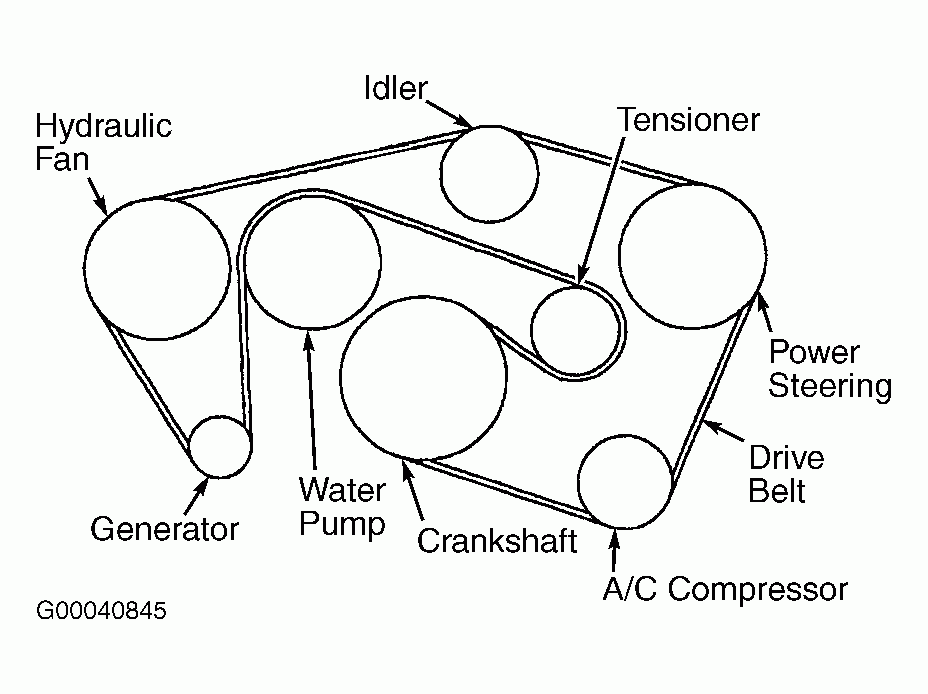
Alright, let's dive into the serpentine belt diagram for a 2005 Ford Taurus. This isn't just some pretty picture; it's your roadmap to understanding and maintaining a critical component of your car's accessory drive system. Whether you're tackling a squealing belt, replacing a failing component, or just wanting to understand how your Taurus ticks, this guide, along with the diagram you can download below, will be invaluable.
Purpose of the Serpentine Belt Diagram
Why bother with a serpentine belt diagram? Simple: It's the key to several important tasks. First and foremost, it's essential for correct belt installation. A misrouted belt can lead to serious issues, from a non-functioning alternator (no charging!) to a seized power steering pump (goodbye easy steering!). Second, it helps with diagnosing problems. Seeing how the belt weaves around each component can give you clues about potential failures. Finally, it’s a valuable learning tool. Understanding the belt path helps you grasp the relationships between the engine and its accessories. It can also be useful when planning engine modifications that impact accessory drive, like installing an underdrive pulley kit.
Key Specs and Main Parts
Before we get into the diagram itself, let's cover some essential specs and components specific to the 2005 Ford Taurus. The serpentine belt itself is a single, continuous belt, often made of a reinforced synthetic rubber compound (usually EPDM – Ethylene Propylene Diene Monomer rubber). Its length and rib profile are specific to the 2005 Taurus's engine (typically the 3.0L Vulcan or the 3.0L Duratec V6). While you can measure the old belt, always refer to the part number recommended by Ford or a reputable parts supplier.
The diagram illustrates the path the belt takes around several crucial components:
- Crankshaft Pulley (or Damper): This is the driven pulley, connected directly to the crankshaft. It’s the power source for the entire system.
- Alternator: The alternator generates electrical power for the car. A failing alternator can be identified by a weak battery, dimming lights, and codes stored in the Powertrain Control Module (PCM).
- Power Steering Pump: Provides hydraulic pressure to assist steering. Symptoms of a failing pump include difficulty steering, whining noises, and foamy power steering fluid.
- Air Conditioning Compressor: Circulates refrigerant to cool the cabin. A faulty compressor may result in no cold air, unusual noises, or the compressor clutch not engaging.
- Water Pump: Circulates coolant throughout the engine to regulate temperature. A failing water pump can lead to overheating and engine damage.
- Tensioner Pulley: This is a spring-loaded pulley that maintains the correct tension on the belt. A faulty tensioner can cause belt slippage, noise, and premature belt wear. Look for excessive wobble or a weak spring.
- Idler Pulley (possibly): Some configurations may have one or more idler pulleys, which are smooth pulleys used to guide the belt around other components.
It’s crucial to identify the correct belt diagram corresponding to your specific Taurus engine. While the 3.0L Vulcan and 3.0L Duratec V6 are both common, the belt routing might differ slightly.
Decoding the Diagram: Symbols and Lines
The diagram uses several symbols and conventions to convey information. Here’s a breakdown:
- Solid Lines: These represent the belt itself, showing its physical path around the pulleys.
- Arrows: Indicate the direction of belt travel. Following the arrows will help you understand how the belt loops around each component.
- Pulleys: These are represented as circles. Some diagrams may distinguish between grooved pulleys (which drive components) and smooth pulleys (idler pulleys) using different shading or icons.
- Component Labels: Each pulley is labeled with the name of the component it drives (e.g., "Alternator," "P/S Pump").
- Tensioner Indication: The tensioner pulley is often represented with a spring symbol or a label indicating its function. Its location is key to understanding where to relieve tension during belt replacement.
- Routing Indicators: Some diagrams include numbers or letters near the pulleys to indicate the correct sequence of belt routing. This is particularly helpful when reinstalling the belt.
Keep in mind that different diagram styles exist. Some might be simpler and more schematic, while others might be more detailed and realistic. The key is to understand the basic symbols and how they relate to the physical components on your engine.
How It Works: The Accessory Drive System
The serpentine belt system is a relatively simple but crucial setup. The crankshaft, driven by the engine's combustion process, turns the crankshaft pulley. This rotational force is then transferred to the serpentine belt. The belt, in turn, wraps around and drives the pulleys of the alternator, power steering pump, air conditioning compressor, and water pump. The tensioner pulley maintains the necessary tension on the belt to prevent slippage and ensure efficient power transfer. Without the correct tension, the accessories will not operate efficiently, and the belt will wear out quickly.
The system's efficiency depends on several factors: proper belt tension, good pulley alignment, and healthy accessory components. A worn or misaligned pulley can cause belt slippage, noise, and premature wear. A failing accessory (like a seizing power steering pump) can put excessive strain on the belt, leading to failure.
Real-World Use: Basic Troubleshooting Tips
The serpentine belt diagram is invaluable when troubleshooting accessory drive issues. Here are a few common scenarios:
- Squealing Belt: This is often caused by a loose belt, a worn belt, or a misaligned pulley. Check the tensioner pulley and the belt's condition. Use the diagram to visually inspect the belt's path and look for signs of wear or misalignment.
- Battery Not Charging: If the alternator isn't charging the battery, it could be due to a slipping belt. The diagram will confirm the belt runs to the alternator and if properly routed. Check the belt tension and condition. If the belt is good, the alternator itself may be the problem.
- Power Steering Issues: Difficulty steering or a whining noise from the power steering pump could indicate a failing pump or a slipping belt. Again, use the diagram to verify the belt's path and condition.
- Overheating: A failing water pump, or a belt slipping on the water pump pulley, can cause overheating. Check the belt tension and condition, and inspect the water pump for leaks or other signs of failure.
When diagnosing problems, always visually inspect the belt for cracks, wear, or fraying. A worn belt is more likely to slip, causing performance issues.
Safety First! Highlighting Risky Components
Working on the serpentine belt system can be dangerous if you're not careful. Always disconnect the negative battery cable before starting any work. This prevents accidental starting of the engine and electrical shock.
The crankshaft pulley is directly connected to the engine and can cause serious injury if the engine is accidentally started while you're working on the system. Be extra cautious around this area.
The tensioner pulley is under spring tension and can snap back forcefully when released. Use the correct tools to relieve the tension and avoid injury. Most auto part stores carry a serpentine belt tool kit.
Hot engine components can cause burns. Allow the engine to cool completely before working on the serpentine belt system. Take care when working near the radiator and exhaust manifold.
Finally, always wear safety glasses to protect your eyes from debris.
In conclusion, understanding your 2005 Ford Taurus's serpentine belt system is crucial for preventative maintenance and troubleshooting. Armed with the knowledge in this guide and the diagram itself, you can confidently tackle repairs and keep your Taurus running smoothly. Remember to consult your vehicle's repair manual for specific procedures and torque specifications.
We have the serpentine belt diagram for your 2005 Ford Taurus available for download. It's a great visual aid to keep handy while you're working on your car. Download it using this link [Insert Download Link Here, replace with actual link to file].