
Simple Motorcycle Turn Signal Circuit Diagram
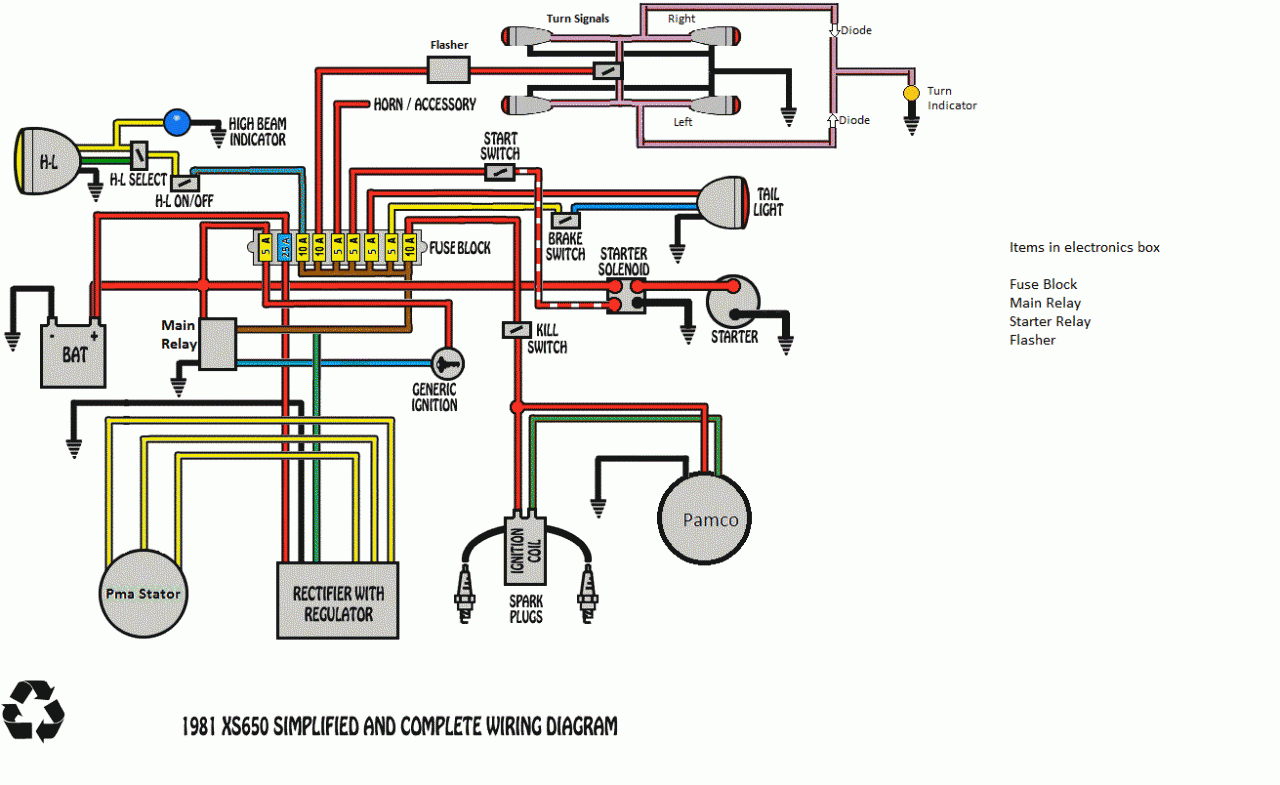
Motorcycle turn signals are often taken for granted, but they're critical for safe riding. Understanding their underlying circuitry empowers you to perform maintenance, diagnose issues, or even customize your motorcycle's lighting system. This article provides a detailed explanation of a simple motorcycle turn signal circuit diagram, aimed at intermediate DIY mechanics and modders. We'll cover the diagram's purpose, essential components, how it functions, troubleshooting tips, and vital safety considerations.
Purpose of Understanding the Turn Signal Circuit
Why delve into the inner workings of your turn signals? The answer is multifaceted:
- Repair and Maintenance: When your turn signals malfunction, understanding the circuit lets you pinpoint the problem – a faulty bulb, a bad flasher relay, or a wiring issue – instead of blindly replacing parts.
- Customization and Modification: Planning to install aftermarket LED turn signals? Understanding the circuit allows you to correctly integrate them and avoid common issues like hyperflashing (more on that later).
- General Knowledge: Knowing how your motorcycle's electrical system works boosts your confidence and self-reliance.
- Safety: Properly functioning turn signals are crucial for road safety. A clear understanding of the system allows for quicker and more effective problem resolution.
Key Specs and Main Parts of a Simple Turn Signal Circuit
A basic motorcycle turn signal circuit comprises the following key components:
- Battery (12V DC): The power source for the entire electrical system.
- Ignition Switch: Provides power to the turn signal circuit only when the motorcycle is running (or the key is in the "ON" position).
- Turn Signal Switch (Left/Right): A handlebar-mounted switch that selects which side's turn signals will activate.
- Flasher Relay (or Flasher Unit): The heart of the system, responsible for interrupting the current flow, causing the turn signals to blink.
- Turn Signal Lights (Front Left/Right, Rear Left/Right): The actual lights that indicate your intention to turn. These are typically incandescent bulbs or LEDs.
- Ground (Chassis Ground): Provides a return path for the current to the battery.
- Wiring: Connects all the components, usually color-coded for easy identification.
- Fuse: A safety device that protects the circuit from overcurrent. If a short circuit occurs, the fuse blows, preventing damage to the wiring and components.
Note: These can be thermal, electromechanical, or electronic. Newer motorcycles often use electronic flasher relays for greater reliability and compatibility with LED lights.
Decoding the Diagram: Symbols, Lines, and Colors
Understanding the symbols used in the circuit diagram is crucial for interpreting it accurately. Here's a breakdown:
- Straight Lines: Represent wires. The thicker the line, the greater the current-carrying capacity.
- Dotted Lines: May indicate wires that are part of a harness or are optional connections.
- Battery Symbol: A series of short and long parallel lines, indicating the positive (+) and negative (-) terminals.
- Ground Symbol: Usually a series of downward-pointing lines resembling an upside-down tree, indicating a connection to the chassis ground.
- Switch Symbol: Shows the path of current flow when the switch is in a particular position. In our case, the turn signal switch has three positions: Left, Right, and Off.
- Flasher Relay Symbol: Can vary depending on the type of relay, but generally includes a coil or electronic component symbol with input and output terminals.
- Light Bulb Symbol: A circle with a filament inside.
- Fuse Symbol: A wavy line or a rectangle with a line through it.
Color Coding: Wiring diagrams use color codes to identify wires. While specific colors may vary between motorcycle manufacturers, some common ones include:
- Red: Typically used for positive (+) power wires.
- Black: Typically used for ground (-) wires.
- Blue: Often used for left turn signal wires.
- Orange or Yellow: Often used for right turn signal wires.
- Green: Sometimes used for ground, especially in older motorcycles.
Note: Always refer to your motorcycle's specific wiring diagram to confirm the color codes used in your model.
How the Turn Signal Circuit Works
Let's trace the path of electricity in a typical turn signal circuit:
- When the ignition switch is turned ON, power from the battery flows to the turn signal circuit through the fuse.
- When the turn signal switch is set to the Left or Right position, it directs power to the flasher relay.
- The flasher relay repeatedly interrupts the current flow to the turn signal lights on the selected side. This interruption creates the blinking effect.
- The interrupted current flows through the left or right turn signal lights, causing them to illuminate and then turn off in a rhythmic pattern.
- The current then returns to the battery through the ground wire, completing the circuit.
Real-World Use: Basic Troubleshooting Tips
Here are some common turn signal problems and how to troubleshoot them:
- No Turn Signals: Check the fuse first. If the fuse is blown, replace it with one of the same amperage. If the fuse blows again immediately, there's likely a short circuit in the wiring. Also check the flasher relay and the ignition switch.
- One Turn Signal Doesn't Work: Check the bulb first. If the bulb is good, check the wiring and connections to that specific turn signal light. A corroded or loose connection can prevent the light from working.
- Hyperflashing: This usually indicates that one of the turn signal bulbs is burned out or has been replaced with a lower-wattage bulb (common when switching to LEDs without a load resistor). The flasher relay detects the lower current draw and blinks faster.
- Turn Signals Stay On Constantly: This could indicate a faulty flasher relay that's not interrupting the current flow. Replace the flasher relay. Also check the turn signal switch for damage.
Note: When switching to LED turn signals, you may need to install load resistors in parallel with the LEDs to simulate the current draw of traditional incandescent bulbs. Alternatively, you can replace the stock flasher relay with an LED-compatible relay.
Safety Considerations
Working with electrical systems carries inherent risks. Prioritize safety at all times:
- Disconnect the Battery: Always disconnect the negative (-) terminal of the battery before working on any electrical components. This prevents accidental short circuits and potential shocks.
- Work in a Well-Lit Area: Good lighting is essential for seeing what you're doing and avoiding mistakes.
- Use Proper Tools: Use insulated tools designed for electrical work.
- Be Cautious of the Flasher Relay: Some flasher relays can get hot during operation. Avoid touching them immediately after use.
- Fuses are Important: Never replace a fuse with one of a higher amperage rating. This can overload the circuit and cause a fire. Always use the specified fuse rating.
- Double-Check Your Work: Before reconnecting the battery, carefully inspect your wiring to ensure everything is connected correctly and that there are no exposed wires or loose connections.
Warning: The capacitor inside some flasher relays can hold a charge even after the battery is disconnected. Handle with caution, or discharge the capacitor before working on the relay itself. This is especially true for older electromechanical relays.
By understanding the motorcycle turn signal circuit diagram and following these safety precautions, you'll be well-equipped to maintain, troubleshoot, and even customize your motorcycle's lighting system. Remember to always consult your motorcycle's service manual for specific information related to your model.
We have a sample turn signal circuit diagram available for download. This diagram illustrates the principles discussed in this article and can serve as a valuable reference tool for your projects. Contact us to request access to the file.