
Throttle Position Sensor Wiring Harness
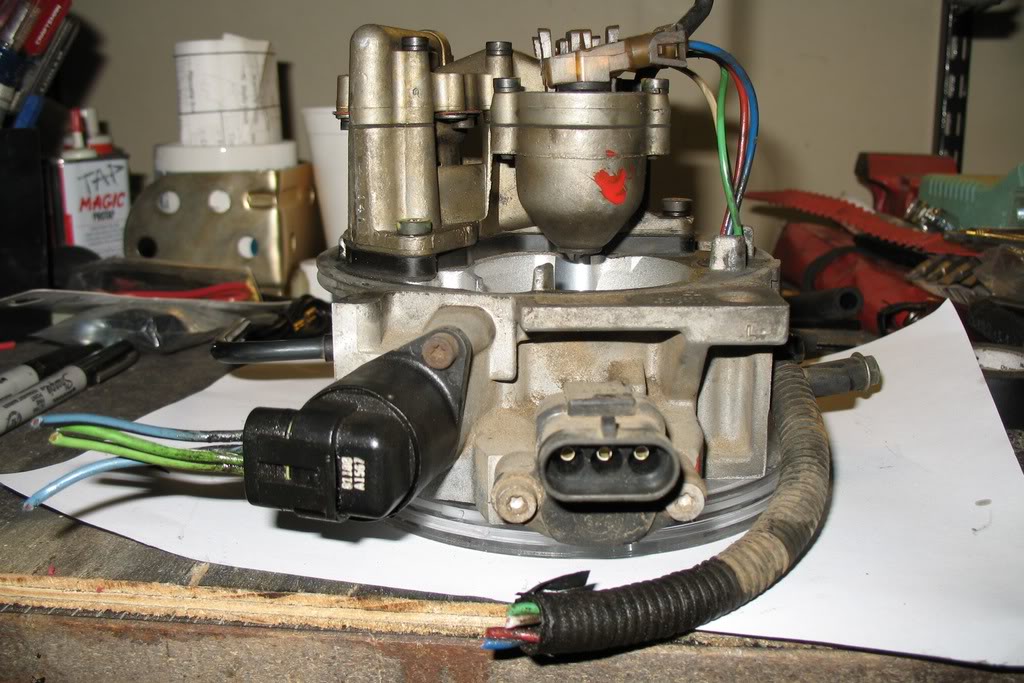
Let's talk about the Throttle Position Sensor (TPS) wiring harness. Understanding this often-overlooked component is crucial for maintaining your car's performance, diagnosing driveability issues, and even when undertaking certain performance modifications. This isn’t just some random collection of wires; it's the nervous system that translates your accelerator pedal input into engine response. With a solid understanding, you can confidently troubleshoot problems and even perform repairs yourself. We’ve got the TPS wiring diagram available for download to help you along the way.
Purpose of Understanding the TPS Wiring Harness
Why bother understanding the wiring harness? Several key reasons spring to mind:
- Diagnostics: When your car is running rough, hesitating, or exhibiting other driveability issues, a faulty TPS or its wiring is a common culprit. A solid understanding of the wiring allows you to effectively test the sensor's signals and pinpoint the problem.
- Repairs: Damaged wiring, corroded connectors, and broken insulation are common issues. Identifying and repairing these problems correctly requires knowing which wire does what.
- Modifications: Whether you’re swapping in a new throttle body, upgrading your ECU, or adding performance tuning modules, understanding the TPS wiring is essential for ensuring proper integration and avoiding damaging sensitive components.
- Learning: Let's face it, understanding how your car works is inherently rewarding. Diving into the TPS wiring gives you a deeper understanding of the engine management system as a whole.
Key Specs and Main Parts
The TPS wiring harness typically involves just a few wires (usually three, but sometimes more depending on the vehicle). Let’s break down the key components and specifications:
- TPS Sensor: This is the core component. It's a potentiometer (a variable resistor) that measures the throttle plate angle and sends this information to the Engine Control Unit (ECU).
- Connector: This is where the wiring harness plugs into the TPS sensor. It provides a secure and weather-resistant connection. Pay close attention to the connector type; they're not all interchangeable.
- Wiring: Typically, you'll find three wires:
- Power (Vref/Voltage Reference): This wire provides a stable 5-volt (typically) reference voltage from the ECU to the TPS. The exact voltage can vary, but 5V is the most common. Use a multimeter to verify this voltage.
- Ground: This wire provides the electrical ground connection for the TPS. A good, clean ground is crucial for accurate readings.
- Signal (Output): This wire carries the voltage signal from the TPS back to the ECU. The voltage varies linearly with the throttle plate angle – typically ranging from around 0.5V at idle to 4.5V at wide-open throttle (WOT). Again, these values are typical and can vary.
- Wire Gauge: The wires are usually a small gauge, often 20-22 AWG (American Wire Gauge). This is sufficient for the low current involved.
- Insulation: The wires are coated in a protective insulation, typically PVC or a similar material, to prevent shorts and protect against environmental factors.
Understanding Wiring Diagram Symbols
Wiring diagrams use a standardized set of symbols to represent components and connections. Here’s a quick guide to the symbols you'll encounter in a TPS wiring diagram:
- Lines: Solid lines represent wires. Dashed lines may indicate shielded wires or connections within a component.
- Colors: Wires are color-coded to help identify them. Common colors include Red (power), Black (ground), and Green/Blue/Yellow (signal). Always refer to the specific wiring diagram for your vehicle; color codes can vary.
- Circles/Dots: These indicate wire junctions or splices.
- Rectangles: Often represent connectors. Pins within the connector are usually numbered.
- Ground Symbol: This looks like an inverted triangle or a series of decreasing lines.
- Potentiometer Symbol: This represents the TPS sensor itself. It usually shows a resistor symbol with an arrow indicating the adjustable wiper arm.
How the TPS Wiring Harness Works
Here's a simplified explanation of how the TPS wiring works:
- The ECU sends a stable voltage (Vref) to the TPS sensor through the power wire.
- The TPS sensor, acting as a potentiometer, divides this voltage based on the position of the throttle plate. As the throttle plate opens, the resistance between the power and signal wires changes.
- The resulting voltage signal is sent back to the ECU through the signal wire.
- The ECU interprets this voltage signal as the throttle position and adjusts the fuel injection, ignition timing, and other parameters accordingly.
Essentially, the TPS wiring harness is a simple yet vital link in the engine management system, allowing the ECU to accurately control engine performance based on driver input.
Real-World Use: Basic Troubleshooting Tips
Here are some basic troubleshooting tips for your TPS wiring harness:
- Visual Inspection: Start by visually inspecting the wiring harness for any signs of damage, such as frayed wires, cracked insulation, or corroded connectors.
- Voltage Testing: Use a multimeter to check the voltage at the TPS connector. Verify that you have the correct Vref voltage (typically 5V) on the power wire with the ignition on. Also, check that the ground wire has a good connection to ground (close to 0 ohms resistance to chassis ground).
- Signal Wire Testing: With the ignition on and the TPS connected, use a multimeter to measure the voltage on the signal wire. It should be around 0.5V (or the specified value for your vehicle) at idle and increase smoothly as you open the throttle. Look for any sudden jumps or flat spots in the voltage reading.
- Continuity Testing: Use a multimeter in continuity mode to check for breaks or shorts in the wiring. Disconnect the TPS and the ECU before performing continuity testing to avoid damaging the ECU.
- Connector Cleaning: Clean the TPS connector and the corresponding connector on the wiring harness with electrical contact cleaner. Corrosion can cause poor connections and inaccurate readings.
If you suspect a wiring issue, it's often helpful to perform a wiggle test. With the multimeter connected to the signal wire, wiggle the wiring harness and connector. If the voltage reading fluctuates, it indicates a loose connection or broken wire.
Safety Considerations
Working with automotive electrical systems involves some inherent risks:
- Battery Disconnection: Always disconnect the negative battery terminal before working on any electrical components. This prevents accidental shorts and potential damage to the ECU.
- Airbag Systems: Be extremely careful when working near airbag systems. Accidental deployment can cause serious injury. Refer to your vehicle's service manual for specific safety precautions.
- Fuel System: Avoid sparks or open flames when working near the fuel system. Fuel vapor is highly flammable.
- ECU Damage: Incorrect wiring or testing procedures can damage the ECU. Double-check all connections and consult the wiring diagram before making any changes.
- High Voltage Components: On some vehicles (especially hybrids and EVs), there are high-voltage components that can be lethal. Always follow proper safety procedures and consult with a qualified technician if you are unsure about anything.
Remember, if you are not comfortable working with electrical systems, it's best to consult with a qualified mechanic.
By understanding the TPS wiring harness and its function, you're better equipped to diagnose and repair issues affecting your car's performance. From simple visual inspections to more advanced electrical testing, the knowledge you've gained here empowers you to tackle many common problems yourself. And remember, we've got the file – the TPS wiring diagram – available for download. This detailed diagram will be your best friend during troubleshooting and repairs.