
Toyota Headlight Wiring Diagram Color Codes
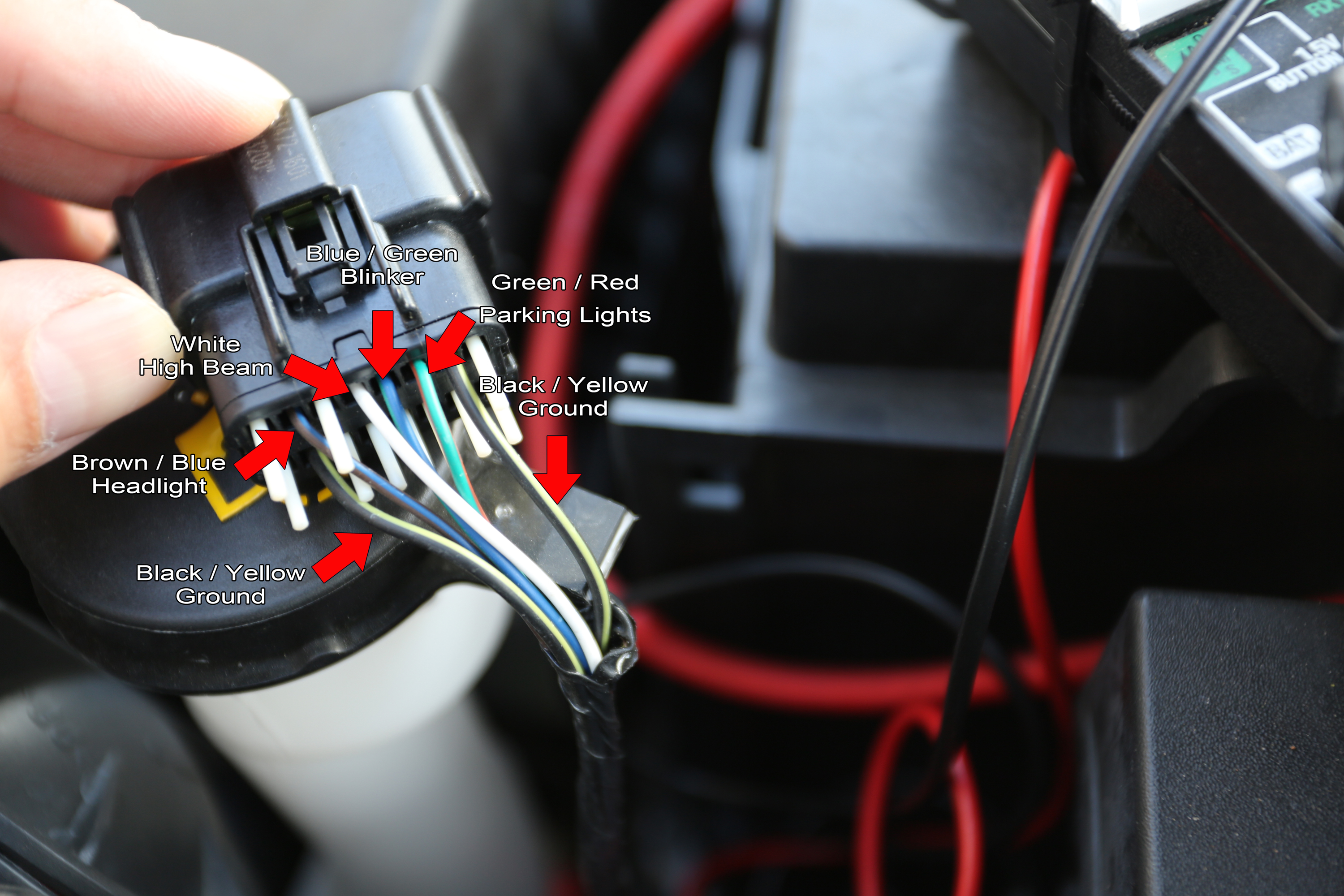
Understanding your Toyota's headlight wiring diagram and its color codes is crucial for a variety of automotive tasks, from simple bulb replacements to more complex electrical troubleshooting and modifications. Whether you're diagnosing a faulty headlight, planning to install aftermarket headlights, or simply expanding your automotive knowledge, this guide will provide a comprehensive overview of Toyota headlight wiring diagrams, focusing on color codes and their significance. We'll cover the basic principles, key components, and practical applications, empowering you to confidently work on your Toyota's lighting system.
Purpose of the Headlight Wiring Diagram
A headlight wiring diagram is essentially a roadmap of the electrical circuits that power your Toyota's headlights. It visually represents the connections between different components, including the battery, fuses, relays, switches, and the headlight bulbs themselves. The diagram uses standard symbols and color codes to clearly identify each wire and its function. Having access to and understanding this diagram is vital for several reasons:
- Repair and Diagnosis: When a headlight malfunctions, the wiring diagram allows you to systematically trace the circuit to identify the source of the problem, be it a blown fuse, a faulty relay, a broken wire, or a bad bulb.
- Modification and Upgrades: If you're planning to install aftermarket headlights, fog lights, or perform other lighting modifications, the wiring diagram helps you understand how to integrate the new components into the existing electrical system safely and correctly.
- Avoiding Electrical Fires: Incorrect wiring can lead to short circuits, which can damage components and even cause electrical fires. The diagram ensures you connect wires properly, reducing this risk.
- General Automotive Knowledge: Studying wiring diagrams enhances your understanding of automotive electrical systems, making you a more informed and capable car owner.
Key Specs and Main Parts
Before diving into color codes, it's important to understand the main parts of a typical Toyota headlight circuit:
- Battery: The primary power source for the entire electrical system, providing the necessary voltage (typically 12V DC) to operate the headlights.
- Fuses: Critical safety devices that protect the circuit from overloads. If excessive current flows through a circuit (due to a short circuit, for instance), the fuse will blow, interrupting the current flow and preventing damage to other components. Headlights usually have their own dedicated fuses.
- Relays: Electrically operated switches that allow a low-current circuit (controlled by the headlight switch) to control a high-current circuit (powering the headlights). Relays protect the headlight switch from carrying the heavy current required by the headlights.
- Headlight Switch: The switch on your dashboard that you use to turn the headlights on and off. This switch activates the relay(s).
- Dimmer Switch (High/Low Beam): Controls which headlight filament (high or low beam) is energized. This may be integrated into the headlight switch or a separate stalk.
- Headlight Bulbs: The light-emitting component, converting electrical energy into light. Common types include halogen, LED, and HID (High-Intensity Discharge).
- Wiring Harness: A bundle of wires that connect all the components of the headlight circuit. This is where the color codes become essential.
- Ground Connection(s): Provides a return path for the current back to the battery, completing the circuit. Good ground connections are essential for proper headlight operation.
Symbols in a Toyota Headlight Wiring Diagram
Understanding the symbols used in a wiring diagram is key to deciphering its information. Here's a breakdown of common symbols:
- Lines: Represent wires. A solid line indicates a direct connection, while a dashed line might indicate a shielded wire or a less critical connection.
- Circles: Often represent connection points, such as terminals or splices.
- Rectangles: Generally represent components such as relays, fuses, or switches. The interior of the rectangle might contain further symbols identifying the specific component type.
- Zig-zag Lines: Usually indicate a resistor or a load (such as a light bulb).
- Ground Symbol: Represents a connection to the vehicle's chassis, providing a common ground for the electrical system.
- Battery Symbol: Shows the positive and negative terminals of the battery.
Color Codes: This is where the diagram becomes truly informative. Toyota (and most automotive manufacturers) use a standardized color-coding system to identify the function of each wire. While the specific colors may vary slightly depending on the model year and trim, some common colors and their typical functions include:
- White (W): Typically ground.
- Black (B): Also often ground, especially for chassis grounds. Be sure to verify the diagram to confirm its grounding function.
- Red (R): Usually a constant power source from the battery (unswitched).
- Yellow (Y): Often used for switched power, controlled by the ignition switch.
- Blue (L): Can represent various functions, often related to lighting. Consult the specific diagram.
- Green (G): Often associated with signaling or control circuits.
- Brown (BR): Sometimes used for parking lights or tail lights.
- Purple (P): Frequently used for interior lighting or accessory circuits.
These color codes are often combined, such as "W-B" (White with a Black stripe) or "R-L" (Red with a Blue stripe). The first letter indicates the base color, and the second letter indicates the stripe color. It's absolutely critical to consult the specific wiring diagram for your Toyota model to accurately identify the function of each wire based on its color code.
How It Works: A Simplified Explanation
Let's trace the flow of electricity through a simplified headlight circuit:
- Power flows from the battery (positive terminal) through a fuse. The fuse protects the circuit from overcurrent.
- From the fuse, the power goes to the headlight switch.
- When you turn on the headlight switch, it completes a circuit to the headlight relay.
- The relay is energized, which closes a high-current circuit that connects directly from the battery (through another fuse, typically) to the headlight bulbs.
- The electricity flows through the filaments (or LEDs/HIDs) in the headlight bulbs, causing them to illuminate.
- Finally, the electricity returns to the battery's negative terminal (ground) through a ground wire, completing the circuit.
The dimmer switch (high/low beam) works by switching between different filaments within the headlight bulb or by controlling a shutter mechanism (in the case of some HID headlights) to change the beam pattern.
Real-World Use: Basic Troubleshooting Tips
Here are some basic troubleshooting tips using the headlight wiring diagram:
- No Headlights: Check the headlight fuses first. Use a multimeter to verify that power is reaching the fuse and that the fuse is not blown. If the fuse is blown, replace it with one of the same amperage. If the new fuse blows immediately, there is likely a short circuit in the wiring.
- One Headlight Not Working: Check the bulb first. If the bulb is good, check the wiring and connections to the bulb. Use a multimeter to verify that voltage is reaching the bulb connector when the headlights are turned on.
- Headlights Dim or Flickering: Check the ground connections. A poor ground connection can cause voltage drops and flickering lights. Clean and tighten the ground connections. Also, check the battery voltage. A weak battery can also cause dim headlights.
- High Beams Not Working: Check the high beam fuse and the dimmer switch. Use a multimeter to check for voltage at the high beam bulb connector when the dimmer switch is in the high beam position.
When troubleshooting, always start with the simplest checks (bulbs and fuses) before moving on to more complex components like relays and wiring.
Safety Precautions
Working with automotive electrical systems can be dangerous. Here are some important safety precautions:
- Disconnect the Battery: Before working on any electrical component, disconnect the negative terminal of the battery to prevent short circuits and electric shock.
- Use Proper Tools: Use insulated tools to prevent electrical shock.
- Never Bypass Fuses: Fuses are safety devices designed to protect the circuit. Never bypass a fuse with a wire or a higher amperage fuse.
- Be Careful with HID Systems: HID (High-Intensity Discharge) headlights operate at very high voltages and can deliver a dangerous shock even when the car is turned off. Handle HID components with extreme caution.
- Refer to the Wiring Diagram: Always consult the specific wiring diagram for your Toyota model before working on the electrical system.
By understanding the Toyota headlight wiring diagram, its color codes, and safety precautions, you can confidently tackle a variety of automotive lighting tasks. Remember to work methodically, double-check your connections, and prioritize safety.
We have a generic Toyota Headlight Wiring Diagram available for download. Please use it as a reference only, and always consult the specific wiring diagram for your Toyota model. While this diagram can provide general insights, the exact wire colors and component locations can vary significantly depending on the year, model, and trim level of your vehicle.