
Toyota Tacoma Interior Fuse Box Diagram
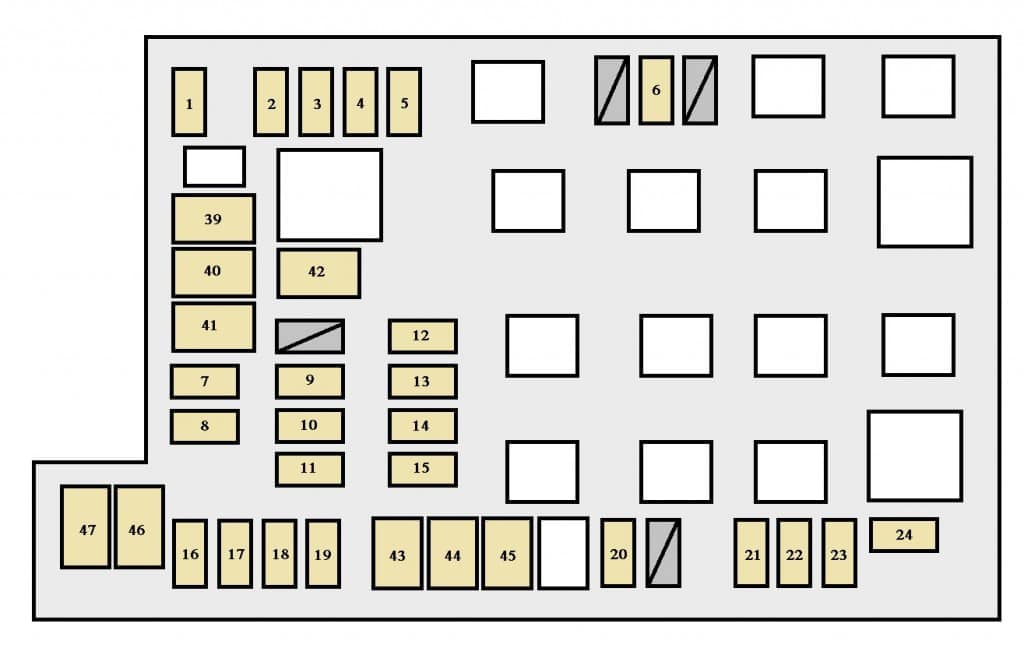
Understanding your Toyota Tacoma's interior fuse box diagram is crucial for a variety of reasons, from simple bulb replacements to more complex electrical troubleshooting and modification projects. This isn't just about avoiding expensive trips to the mechanic; it's about empowering you to diagnose and fix common electrical issues, install aftermarket accessories safely, and gain a deeper understanding of your vehicle's inner workings. This guide will provide you with a comprehensive breakdown of the Tacoma's interior fuse box diagram, explaining its purpose, key components, symbols, operation, and practical troubleshooting tips. We'll also cover essential safety precautions to keep you safe while working with the vehicle's electrical system.
Purpose of the Interior Fuse Box Diagram
The interior fuse box diagram serves as a vital roadmap to your Tacoma's electrical system. Its primary purpose is to identify the specific fuse protecting each individual circuit. This is invaluable when diagnosing electrical malfunctions. Instead of blindly replacing fuses, the diagram allows you to pinpoint the faulty circuit and determine the appropriate fuse to check. Beyond diagnostics, the diagram is also critical for safely adding aftermarket accessories like lighting, audio systems, or power inverters. Correctly identifying circuits and fuse ratings is essential to prevent overloading the system and potentially causing a fire. Furthermore, studying the diagram can increase your general automotive knowledge, allowing you to better understand how various components and systems are interconnected.
Key Specs and Main Parts
The Tacoma's interior fuse box is typically located on the driver's side, often beneath the dashboard, near the left-hand kick panel. The exact location can vary slightly depending on the model year (e.g., 2nd Gen, 3rd Gen). The diagram itself is usually found on the inside of the fuse box cover. Failing that, it is usually in the owner's manual.
Key components within the fuse box include:
- Fuses: These are the sacrificial elements of the electrical system. Each fuse is designed to break the circuit if the current exceeds a safe level, preventing damage to wiring and components. Fuses are rated in amperes (amps or A), indicating the maximum current they can handle.
- Relays: Relays are electromechanical switches that control high-current circuits using a low-current signal. They're used for components like headlights, fuel pumps, and air conditioning compressors. The interior fuse box may also house some relays.
- Fuse Puller: A small plastic tool (often integrated into the fuse box cover) designed to safely remove fuses without damaging them.
- Grounding Points: Areas where electrical circuits are connected to the vehicle's chassis, providing a path for current to return to the battery. While not directly part of the fuse box, understanding ground locations is important for troubleshooting electrical issues.
Understanding Symbols
Fuse box diagrams use a variety of symbols, lines, and colors to represent different circuits and components. Understanding these symbols is essential for interpreting the diagram correctly.
- Lines: Solid lines typically represent the main power feed to a circuit. Dashed lines may indicate a ground connection or a signal wire.
- Colors: Wire colors are often indicated next to the circuit designation. These colors are crucial when tracing wires during troubleshooting. Common colors include red (power), black (ground), and various other colors for signal and accessory wires.
- Icons: Icons represent the specific components powered by each fuse. Common icons include:
- Headlight icon: Headlight circuit.
- Horn icon: Horn circuit.
- Radio icon: Radio/audio system circuit.
- Cigarette lighter icon: Accessory power outlet/cigarette lighter circuit.
- ABS icon: Anti-lock Braking System circuit.
- SRS icon: Supplemental Restraint System (airbag) circuit. Handle with extreme caution!
- Amperage Ratings: Each fuse location will have a number indicating the amperage rating of the fuse that should be installed in that position. Never use a fuse with a higher amperage rating than specified, as this can overload the circuit and cause a fire.
It is important to note that diagrams may vary slightly depending on the Tacoma's year and trim level. Always refer to the diagram specific to your vehicle.
How It Works: Fuses in Operation
Fuses are designed to protect electrical circuits from overcurrent situations. An overcurrent can be caused by a short circuit (a direct connection between a power wire and ground), an overloaded circuit (too many devices drawing power from the same circuit), or a faulty component. Inside each fuse is a thin strip of metal. When the current flowing through the fuse exceeds its rated amperage, this metal strip heats up and melts, breaking the circuit and stopping the flow of electricity. This prevents damage to the wiring, components, and potentially prevents a fire.
Consider the example of the radio fuse. If the radio malfunctions and begins drawing excessive current due to an internal fault, the radio fuse will blow, cutting power to the radio and preventing further damage. Replacing the blown fuse with the correct amperage rating will restore power to the radio, provided the underlying fault has been addressed. If the fuse blows again immediately, it indicates a persistent problem in the radio or its wiring.
Real-World Use: Basic Troubleshooting
Here's how to use the fuse box diagram for basic troubleshooting:
- Identify the Problem: Determine which component is not working (e.g., the radio, a specific headlight, the power outlet).
- Consult the Diagram: Locate the fuse corresponding to the non-functional component in the interior fuse box diagram.
- Inspect the Fuse: Use the fuse puller to remove the fuse. Examine the metal strip inside the fuse. If the strip is broken or blackened, the fuse is blown.
- Replace the Fuse: Replace the blown fuse with a new fuse of the exact same amperage rating. Never use a higher amperage fuse!
- Test the Component: Turn on the component to see if it now works.
- If the Fuse Blows Again: If the new fuse blows immediately, there is a persistent short circuit or overload in the circuit. Further diagnosis is required. This may involve tracing wires, checking connections, and testing components with a multimeter. This may require the assistance of a qualified mechanic.
Common problems identified using the fuse box diagram include:
Dead Accessories: A blown fuse is often the culprit behind a non-functioning radio, power outlet, or interior light.
Lighting Issues: A blown fuse can cause a headlight, taillight, or brake light to fail.
Starting Problems: In some cases, a blown fuse can prevent the engine from starting (e.g., the fuel pump fuse).
Safety Precautions
Working with automotive electrical systems involves inherent risks. Observe these precautions to ensure your safety:
- Disconnect the Battery: Before working on any electrical component, disconnect the negative (-) battery cable. This prevents accidental short circuits and electrical shocks.
- Work in a Well-Lit Area: Ensure you have adequate lighting to see clearly and avoid mistakes.
- Use Proper Tools: Use a fuse puller to remove fuses. Avoid using metal tools, which can cause short circuits.
- Never Bypass a Fuse: Never bypass a fuse with a wire or other conductive material. This eliminates the protection the fuse provides and can lead to a fire.
- SRS (Airbag) Circuits: Exercise extreme caution when working near SRS (airbag) circuits. Accidental activation of an airbag can cause serious injury. If you are not comfortable working with SRS circuits, consult a qualified mechanic.
- Consult the Owner's Manual: Always refer to your vehicle's owner's manual for specific information about fuse locations and ratings.
Final Thoughts
Understanding your Toyota Tacoma's interior fuse box diagram is a valuable skill for any DIY enthusiast or car owner. By following the guidelines outlined in this article and prioritizing safety, you can confidently diagnose and resolve common electrical issues, saving time and money while gaining a deeper understanding of your vehicle. Remember, if you encounter a problem that you are not comfortable handling, seek the assistance of a qualified mechanic. Working on your vehicle can be a very rewarding experience, enjoy.
We have the Tacoma's interior fuse box diagram available for download. Please visit [link to download].