
U Haul Trailer Wiring Harness Installation Cost
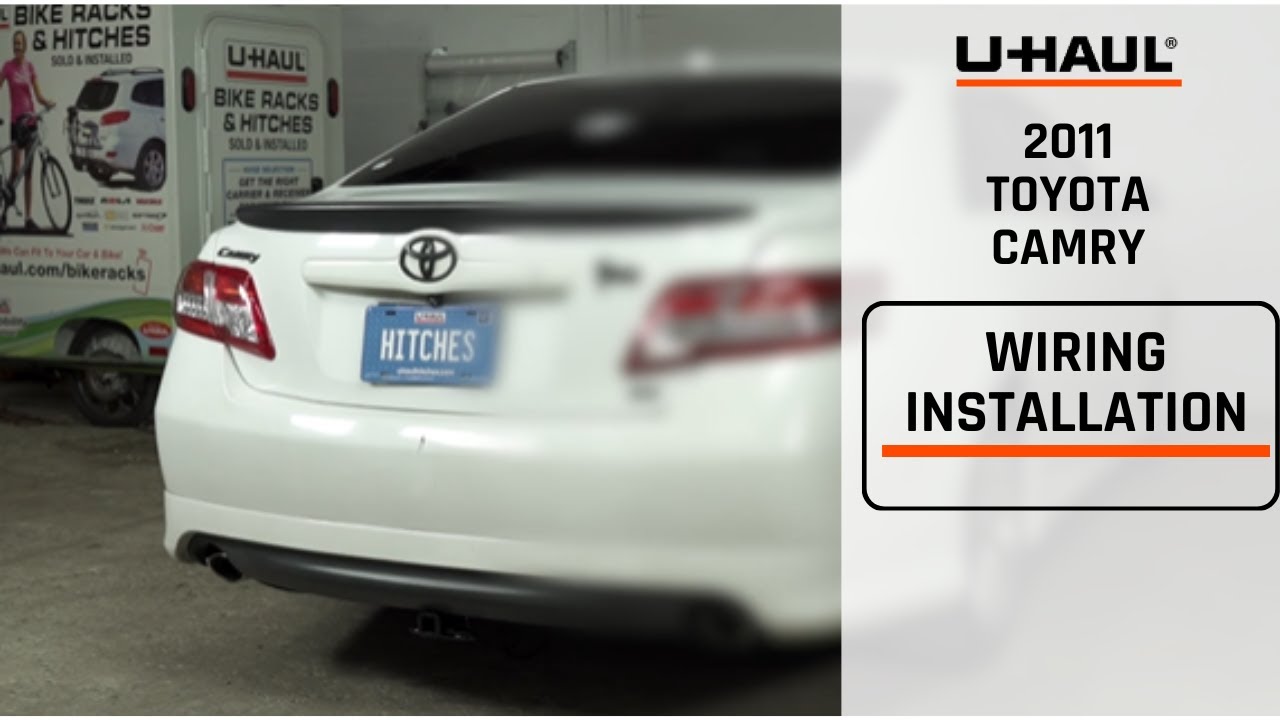
So, you’re looking to install a trailer wiring harness on your vehicle. Excellent choice! Towing opens up a whole new world of possibilities, from hauling equipment to taking that camper on the road. But before you hitch up, you need to get the electricals sorted. Understanding the installation costs involves more than just the parts price. This article will break down the process, the components, and what contributes to the final price tag, giving you the knowledge to make an informed decision, whether you DIY it or hand it over to a professional.
Understanding the Cost of a U-Haul Trailer Wiring Harness Installation
Estimating the cost of a U-Haul trailer wiring harness installation involves a few key factors. These factors can be broken down into two main categories: parts and labor. If you plan to do the job yourself, the cost is primarily the wiring harness kit itself. If you choose professional installation, the labor costs can vary significantly depending on the complexity of your vehicle's wiring and the local labor rates.
Parts Cost: The Wiring Harness Itself
The price of the wiring harness will vary based on the type of harness needed and your specific vehicle. Here's a general breakdown:
- 4-Way Flat Connector: This is the most basic type and usually the cheapest. It provides connections for the trailer's running lights, brake lights, and turn signals. Expect to pay anywhere from $15 to $40 for a good quality kit.
- 5-Way Flat Connector: Similar to the 4-way, but includes an additional wire for trailer brakes (surge brakes typically). The cost is roughly $20-$50.
- 6-Way Round Connector: Often used for trailers with electric brakes and other auxiliary functions. Prices range from $30 to $60.
- 7-Way RV Blade Connector: This is the most common type for RVs and larger trailers, providing connections for running lights, brake lights, turn signals, electric brakes, reverse lights, and a 12V power supply. These harnesses can cost between $40 and $100 or more, depending on features and brand.
Keep in mind that these are just estimates. Some vehicles, particularly newer models with complex electrical systems, may require more sophisticated harnesses with built-in modules to prevent issues with the vehicle's computer system. These can significantly increase the parts cost, sometimes exceeding $150. Always check for vehicle specific harness because some harnesses are manufactured for universal installation on many vehicles.
Labor Costs: Professional Installation
Labor costs can vary substantially depending on several factors:
- Vehicle Complexity: Modern vehicles with CAN bus systems or complex integrated lighting systems require more time and expertise to properly wire. Older vehicles with simpler wiring are generally faster and cheaper.
- Location, Location, Location: Labor rates differ greatly from one region to another. Metropolitan areas tend to have higher rates than rural areas.
- Shop Rates: Individual shops have varying hourly rates. Call around to get quotes from different mechanics and auto-electric specialists.
- Experience and Expertise: A shop specializing in trailer wiring and electrical work is likely to be more efficient and provide a better installation than a general mechanic with limited experience in this area.
Generally, you can expect to pay between $75 and $250 for professional installation. However, this is just an estimate. Get a quote from your chosen shop, and be sure to ask for a detailed breakdown of the labor charges.
Additional Costs
Don't forget to factor in potential additional costs:
- Wiring Extensions: If the harness isn't long enough to reach the trailer connector mounting point, you'll need to purchase wire extensions and connectors.
- Mounting Hardware: You may need to buy mounting brackets, screws, or zip ties to secure the wiring harness properly.
- Fuse Tap: Some harnesses require you to tap into an existing fuse in the vehicle's fuse box. A fuse tap (also known as an add-a-circuit) is a convenient way to do this.
- Diagnostic Fees: In rare cases, if the installation causes issues with the vehicle's electrical system, the shop may charge a diagnostic fee to troubleshoot the problem.
Trailer Wiring Harness Explained
Let's delve into the workings of a trailer wiring harness. The goal is to transfer the electrical signals from your tow vehicle to the trailer, controlling the trailer's lights and, in some cases, brakes.
Key Specs and Main Parts
- Trailer Connector (Vehicle Side): This is the socket that plugs into the vehicle's wiring harness. Common types include 4-way flat, 5-way flat, 6-way round, and 7-way RV blade.
- Trailer Connector (Trailer Side): This is the plug that connects to the trailer's wiring. It mirrors the connector on the vehicle side.
- Wiring Harness: The bundle of wires that connects the vehicle-side connector to the vehicle's electrical system.
- Converter (if needed): Some vehicles, particularly those with separate turn and brake lights, require a converter to combine these signals into a single signal for the trailer.
- Fuses: Protect the vehicle's electrical system from overloads caused by the trailer.
- Ground Wire: Provides a return path for the electrical current, ensuring proper operation of the lights and brakes.
Symbols: Understanding the Wiring Diagram
A wiring diagram is your roadmap for a successful installation. Here's a breakdown of common symbols:
- Lines: Represent wires. Thicker lines may indicate higher-gauge (thicker) wires, carrying more current.
- Colors: Each wire is typically color-coded. Common colors include yellow (left turn/brake), green (right turn/brake), brown (tail lights), white (ground), blue (electric brake), and black (12V power). Always refer to the specific diagram for your harness as these can sometimes vary.
- Circles or Dots: Represent connections between wires.
- Rectangles: Can represent various components like fuses, relays, or converters.
- Ground Symbol: Usually a series of downward-pointing lines, indicating a connection to the vehicle's chassis (ground).
How It Works: Signal Transmission
The wiring harness taps into your vehicle's existing lighting circuits. When you activate a turn signal or press the brake pedal, the corresponding signal is sent through the vehicle's wiring to the trailer wiring harness. The harness then transmits this signal to the trailer's lights, causing them to illuminate accordingly. For trailers with electric brakes, the brake controller in your vehicle sends a signal to the trailer's brakes through the blue wire in the 7-way connector. The brake controller modulates the voltage to the trailer brakes based on how hard you are braking.
Real-World Use: Basic Troubleshooting
If your trailer lights aren't working correctly, here are some basic troubleshooting steps:
- Check the Connectors: Ensure that both the vehicle-side and trailer-side connectors are clean and securely connected. Corrosion can prevent proper electrical contact.
- Check the Fuses: Examine the fuses in both the vehicle's fuse box and the trailer wiring harness. Replace any blown fuses with the correct amperage rating.
- Test the Ground Connection: A faulty ground connection is a common cause of lighting problems. Ensure that the ground wire is securely connected to a clean, rust-free metal surface on the vehicle's chassis.
- Use a Test Light or Multimeter: Use a test light or multimeter to check for voltage at the trailer connector when the lights are activated. This can help you pinpoint where the problem lies.
- Inspect the Wiring: Look for any signs of damage to the wiring harness, such as cuts, frayed wires, or loose connections.
Safety: Handle with Care
Working with electrical systems can be dangerous if you're not careful. Always disconnect the negative battery terminal before starting any wiring work. This will prevent accidental short circuits and electrical shocks. Be especially careful when working with the brake controller wiring, as this circuit can carry a significant amount of current. Use proper wiring techniques, such as soldering and heat-shrinking connections, to ensure reliable and safe connections. Use a circuit tester to verify no power is available on the wiring after disconnecting the battery and before cutting or splicing. Do not exceed the maximum amperage rating of the wiring or fuses.
Installing a trailer wiring harness is a manageable task for the experienced DIYer. By understanding the components, wiring diagrams, and troubleshooting techniques, you can save money and gain valuable knowledge. Remember to prioritize safety and take your time to ensure a proper installation. If you're uncomfortable with any aspect of the process, don't hesitate to seek professional assistance.
We have a detailed wiring diagram available that will help you complete your trailer wiring harness installation. You can request this file from us.